

Improving Interview Skills: 10 Tactics That Actually Land Offers
Improve your interview performance with research, STAR-structured answers, active listening, and the mistakes that consistently undermine strong candidates.
Ployo Team
Ployo Editorial
TL;DR
- 67% of hiring managers cite poor eye contact as a fail signal; 38% cite weak communication (TopResume).
- 33% of interviewers consider talking too much a major red flag (Lighthouse).
- STAR structure (Situation, Task, Action, Result) keeps answers tight and outcome-focused.
- 60–90 seconds is the sweet spot for most answers.
- Practice out loud — silent rehearsal doesn't prepare you for delivery under pressure.
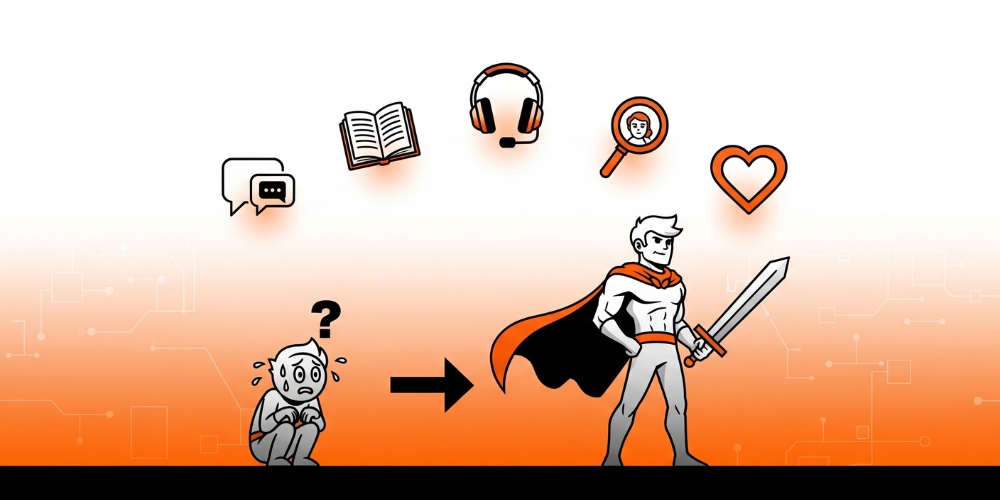
Interviewing is a learnable skill, not a personality trait. The candidates who consistently land offers prepare in specific ways — research the company, structure their stories, practise out loud, and learn from feedback. The ones who don't tend to ramble, talk too much when nervous, and underweight active listening. This guide walks through 10 specific moves that meaningfully change interview outcomes.
Why Interview Skills Matter

Job interviews are performances. Like any performance, they reward preparation and practice. TopResume's research shows 67% of hiring managers cite poor eye contact as a fail signal, 33% cite poor posture, and 38% cite weak communication.
Communication in interviews is more than speaking clearly — it includes listening, empathy, and clarity in framing. Strong listeners produce more relevant answers and demonstrate genuine interest. Combined with structured interview preparation, small improvements compound across an entire job search.
10 Tactics That Consistently Improve Interview Performance
1. Research the company deeply
Go beyond the About page. Solid company research — recent press, customer reviews, leadership interviews, Glassdoor signals — produces three personalised insights to bring up during the interview. Initiative signals stand out.
2. Map your experience to the role
Use the job description as a map. For each bullet, write one sentence about how you've done that before. The connection between their need and your background becomes obvious in the conversation.
3. Tell stories using STAR
Situation, Task, Action, Result. "When I led our Q2 marketing campaign (S) with tight deadlines (T), I restructured the calendar and built a cross-functional check-in system (A), helping us launch on time and beat goals by 18% (R)."
Stories beat claims. Quantified outcomes beat unquantified stories.
4. Practise active listening
Reflective listening signals understanding. "That's a great question about remote collaboration..." acknowledges the question and gives you a moment to gather your answer.
5. Refine body language
Upright posture, natural smile, comfortable eye contact (not staring). Record a mock interview and watch yourself. Small tweaks make a noticeable difference in first impressions.
6. Master the pause
A 2–3 second pause before answering signals composure, not weakness. Pauses produce more structured answers and reduce filler words ("um," "you know"). Train yourself to breathe before responding to harder questions.
7. Get trusted feedback
You don't notice your own rambling. A mentor, friend, or coach running a 15-minute mock and giving specific feedback on tone, structure, and clarity catches blind spots you can't see yourself.
8. Practise verbal clarity
Explain your work as if to a smart non-specialist. Avoid jargon. Pick three achievements and explain each in 60 seconds or less. Practise to a recorder or mirror.
9. Tailor "tell me about yourself"
A 60–90 second story that connects your background, current ambition, and fit with the role. Customised, not generic. See how to structure this opener for specific guidance.
10. Highlight selectively
Pick 2–3 core traits relevant to the role (adaptability, collaboration, judgment) and build your stories around those. Not every detail belongs; clarity beats completeness.
Practising Without a Real Interview
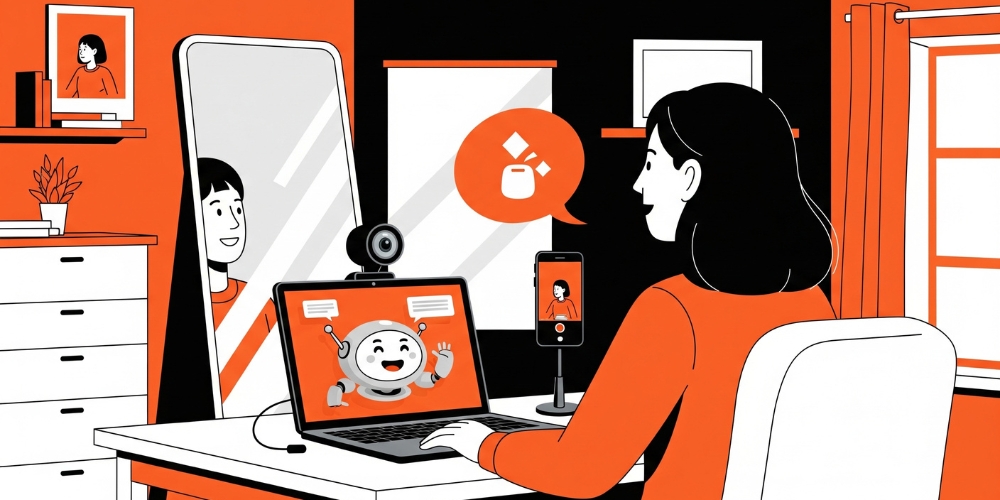
Five low-pressure practice methods.
AI interview simulators
Modern tools simulate real questions and give feedback on filler words, sentence structure, and pacing. Good for solo practice when no human partner is available.
Self-recording
Phone camera or voice memo. Uncomfortable at first, but the fastest way to spot rambling, awkward pauses, and unclear phrases.
Script then rewrite naturally
Draft answers to common questions, then rewrite them in conversational language. Bridges polished and natural.
Shadow real mock interviews
Watch YouTube interview content. Pause before the candidate's answer; deliver your own. Compare structure, transitions, closings.
Voice assistants for pressure practice
Random prompts from Siri, Alexa, or Google Assistant force thinking-out-loud without a job-specific safety net. Builds composure.
What to Avoid
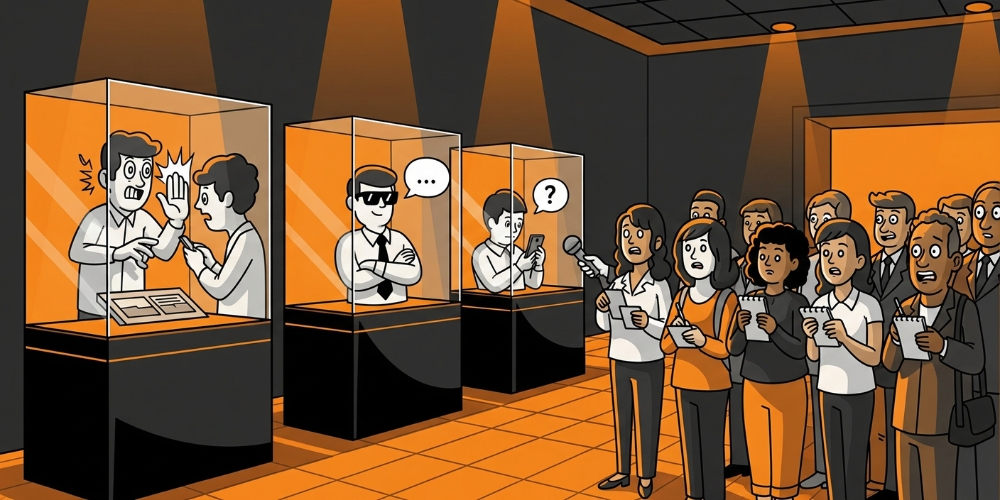
Five patterns that consistently weaken candidates.
Rambling
Off-topic answers signal unpreparedness. Tight, on-point responses signal clarity.
Talking too fast or too much
33% of interviewers flag over-talking as a major red flag. Controlled breathing and explicit pacing help significantly.
Wrong calibration on confidence
Excessive modesty makes you forgettable; arrogance reads as tone-deaf. Confidence backed by data ("exceeded quarterly sales targets by 30% for three consecutive quarters") beats both extremes.
Failing to ask questions
No questions signals disinterest. Prepare three thoughtful questions per interview — based on real research, not fishing for what you missed in the JD.
Ignoring non-verbal cues
If the interviewer's body language shifts, adjust. Long-winded answers can be shortened mid-flow; flat tone can be lifted with a quick re-engagement question.
The Bottom Line
Interview skill compounds across a job search. Each round teaches you what works for you specifically — which stories land, which transitions feel natural, where you tend to drift. Research the company, structure with STAR, practise out loud, get honest feedback, and watch for the high-frequency mistakes. The investment pays dividends every interview round going forward, not just the next one.
FAQs
How long should an interview answer be?
60–90 seconds. Long enough to give context and a specific example; short enough to invite follow-up. Beyond 2 minutes attention drops; under 20 seconds signals unprepared.
Can I bring notes to an interview?
Yes, sparingly. A small notepad with bullet points or prepared questions is acceptable, especially in virtual interviews. Reading from a script sounds robotic — use notes as memory aids, not crutches.
How do I stay calm during an interview?
Thorough preparation is the strongest defence. In the moment, box breathing (4-4-4-4) before and between questions resets the nervous system. Reframe the mindset from "I hope they like me" to "Let's see if this is a fit for both of us."
What's the most common mistake?
Rambling. Especially under nerves, candidates over-explain and lose focus. The fix: pause, structure with STAR, end before you drift.
What's the single highest-leverage improvement?
Practising out loud, ideally with feedback. Silent rehearsal doesn't prepare you for delivery under pressure. 30 minutes of mock-interview practice closes more gaps than 3 hours of internal review.
Keep reading


