

How to Ask for Interview Feedback: Templates and Best Timing
Asking for interview feedback well shows maturity and accelerates growth — when to ask, how to phrase requests, templates, and mistakes to avoid.
Ployo Team
Ployo Editorial

TL;DR
- Ask within 24–48 hours of a rejection, while the conversation is fresh.
- Be polite, specific, and short — vague questions get vague (or no) answers.
- Match the channel they used: email reply for email, call follow-up for call.
- One request is enough; chasing multiple times reads as desperation.
- Use what you receive to sharpen the next interview, not to argue the decision.
A rejection email lands without explanation — "we went with another candidate." No detail, no insight, no path forward. Most candidates accept the silence and move on. The candidates who ask thoughtfully for feedback frequently get usable signal back, and even when they don't, they build a reputation as professionals worth re-considering for future roles. This guide walks through when to ask, how to phrase the request, and what to do with the feedback you receive.
Why Asking for Feedback Matters

Rejections without explanation leave you guessing. Feedback turns that guessing into targeted improvement.
It exposes patterns you can't see yourself
A single rejection is noise. Three rejections that all mention "weak behavioural examples" is a signal — and one you can act on for the next interview.
It signals professionalism
Recruiters and hiring managers consistently rate candidates who ask politely for feedback above those who go silent or argue the decision. The reputation persists; future roles at the same company open more easily.
It improves future interviews directly
Specific feedback ("your STAR answers lacked measurable results") gives you actionable preparation work. Generic advice ("interview better") doesn't.
For candidates navigating modern recruiting methods and shifting AI hiring trends, the ability to extract useful feedback from past interviews matters more than ever. And smart interview feedback questions give recruiters a chance to refine their own process — the bridge runs both ways.
When to Ask

Timing affects response rates substantially.
Same call, when natural
If the rejection comes via phone or video, you can ask in the moment when the conversation pauses. "I appreciate the decision — could I ask what areas I could improve?" is a clean, natural ask.
24–48 hours for email rejections
Career advisors at Arcadia's Career Launchpad recommend responding within a few days to a week. The interview is still fresh in the interviewer's memory, and your reply lands while they have context.
Don't wait past a week
The average post-interview response time is around 24 business days, and many candidates never hear back at all. Asking late means asking when the interviewer has likely moved on to other candidates and lost the detail that would have made their feedback useful.
Expect modest response rates
A seasoned coach notes you'll get nothing back in roughly 90% of cases. The 10% that do reply make it worth doing — and the action itself reinforces a professional reputation even when no feedback returns.
A Step-by-Step Approach

Six moves that consistently produce stronger results.
1. Open with appreciation
A brief thank-you sets the tone. "Thank you for the opportunity to discuss the [role] at [Company]. I valued our conversation."
2. Match the channel
Reply on the channel the recruiter used. Email → email reply. Phone → phone follow-up. LinkedIn → LinkedIn message. Switching channels feels intrusive.
3. Ask specifically
"How did I do?" produces nothing. "Could you share what areas of my behavioural answers were weakest?" gives the interviewer a clear hook to respond to. Targeted questions extract targeted feedback.
4. Keep it short
Three to five sentences. Hiring managers are busy; long requests get deprioritised or ignored.
5. Accept gracefully
If they decline to share feedback (often company policy), thank them and end positively. Pushing harder closes the door for good.
6. Take notes, don't argue
When feedback arrives, treat it as data. Don't rebut. Even feedback you disagree with reveals how you came across — which is itself useful.
Email Template
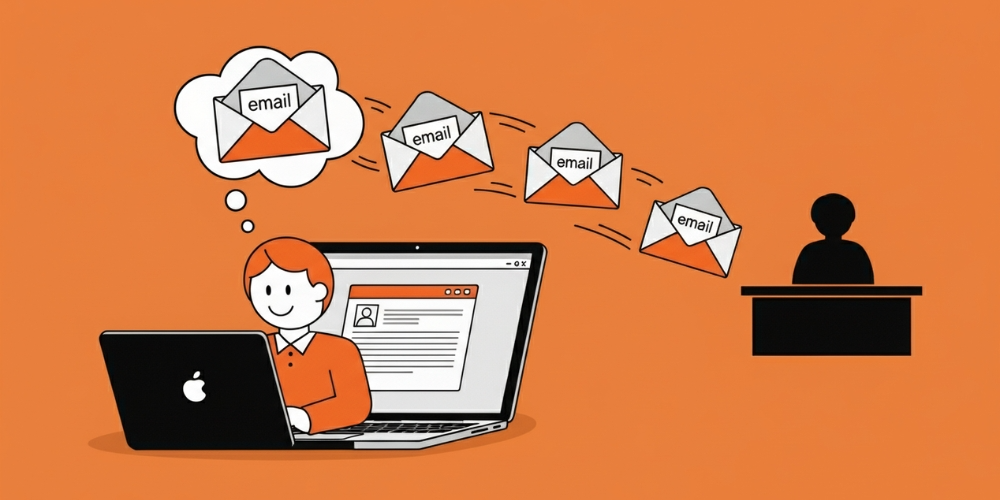
A reusable structure that consistently gets stronger response rates.
Subject: Thank you — and a quick request
Hi [Recruiter Name],
Thanks again for the time on Tuesday to talk through the [Role] opportunity at [Company]. I really enjoyed the conversation, especially [specific detail].
I understand you've moved forward with another candidate. If you have a moment, I'd value any specific feedback on areas where I could improve — particularly around [specific area: behavioural examples / technical depth / culture fit / etc.]. Any insight would help sharpen my preparation for future opportunities.
Either way, thank you for the consideration, and I hope our paths cross again.
Best, [Your Name]
The structure: thank, acknowledge the decision, ask a specific question, leave the door open. Short, professional, easy to respond to.
Mistakes to Avoid
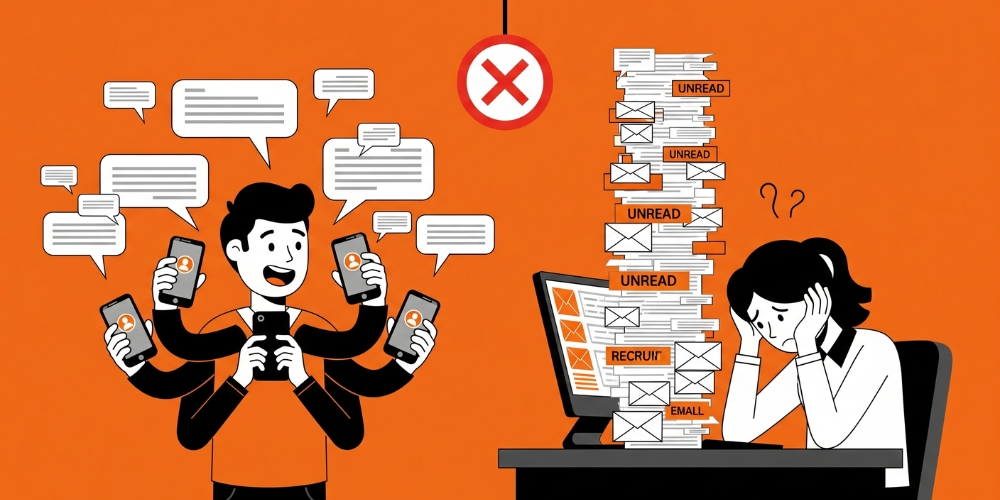
Five patterns that consistently backfire.
Sounding entitled
"I deserve to know why I wasn't hired" puts the recruiter on the defensive. Frame the request as your own learning, not their obligation.
Multiple reminders
One polite request is enough. Chasing the same recruiter across email and LinkedIn signals impatience and damages the professional reputation the request was supposed to build.
Vague asks
"Any feedback?" gives the recruiter nothing to respond to. Specific questions ("Were there technical skills I should strengthen?") get specific answers.
Criticising the process
Even if the experience was disorganised, don't mix that into your request unless explicitly asked. Mixing your feedback-giving with feedback-asking dilutes both.
Burning bridges
The market is small. Recruiters move companies. A candidate who handles rejection well is remembered; one who responds badly is also remembered, and far more vividly.
Turning Feedback Into Improvement

Receiving feedback is step one. Acting on it is what produces real change.
Spot patterns
If three different recruiters mention weak structure in your answers, that's a pattern worth fixing — practise STAR (Situation, Task, Action, Result) until it becomes natural.
Translate weaknesses into specific practice
"Technical depth wasn't strong enough" → schedule structured study, build a portfolio project, or rehearse the specific technical areas the role required.
Match feedback to broader trends
Companies influenced by AI hiring trends weigh communication, adaptability, and judgement more heavily than raw technical skill. Feedback about communication signals an area worth real investment.
Refine your pitch
If feedback says you didn't surface leadership, sharpen the leadership stories in your STAR library. Each round of feedback should produce a more focused version of the next interview's answers.
Build resilience
Treat criticism as data, not identity. Candidates who internalise feedback as personal failing burn out. Candidates who treat it as input improve faster.
The Bottom Line
Rejection closes one door; thoughtful follow-up keeps several others open. Ask within a couple of days, frame the request specifically, keep it short, accept whatever you get gracefully, and use it to sharpen the next round. The candidates who treat post-rejection conversations as learning opportunities consistently improve faster than the candidates who treat rejection as a final verdict.
FAQs
Is it appropriate to ask for interview feedback?
Yes — when asked politely and specifically. Employers don't always provide it, but the act of asking signals professionalism and growth mindset, which often outweighs the immediate value of any feedback received.
How quickly should I ask after rejection?
24–48 hours is ideal. Within a week is acceptable. After that, the interviewer has likely lost the specific details that would have made their feedback useful.
What if the recruiter doesn't respond?
That's normal — around 90% of feedback requests go unanswered. Don't take it personally; move on, keep improving, and trust that the professional impression you made still lands.
Will asking hurt my chances with the company in future?
No — if asked respectfully. Many recruiters specifically appreciate candidates who show growth mindset, and your name often gets remembered for future roles. Asking poorly (entitled, repeated, argumentative) is what damages future chances.
What's the highest-leverage feedback question?
"What would have made me a stronger candidate for this specific role?" — it focuses the interviewer on what they observed, gives them a clear hook to respond to, and produces actionable insight regardless of how detailed the response is.
Keep reading


