

AI-Assisted Cognitive Testing: Matching Skills to Culture in Hiring
AI cognitive testing evaluates how candidates actually think — adaptive, behaviour-aware assessment that lifts hiring accuracy without sacrificing fairness.
Ployo Team
Ployo Editorial
TL;DR
- AI-assisted cognitive testing measures how candidates think — adaptability, reasoning, decision-making — not just what they know.
- Adaptive testing adjusts difficulty in real time based on candidate performance, producing fairer and more accurate signal than fixed tests.
- Around 29% of companies now use AI tools to assess cultural fit alongside skills.
- Done right, the approach combines skill testing with behavioural signals to predict long-term success.
- The ethical bar is real — privacy, bias auditing, human oversight, and regulatory compliance all matter.
A perfect resume is no guarantee of a strong hire. The candidate who passes every skill test on paper may still struggle to adapt, decide under pressure, or work productively with the team. AI-assisted cognitive testing closes the gap by evaluating how candidates actually think — and matching that thinking against the company's culture and the role's real demands. This guide breaks down what the technology does, why culture fit matters, how AI enhances cognitive testing specifically, and the ethical practices that keep the tooling defensible.
What AI-Assisted Cognitive Testing Actually Is
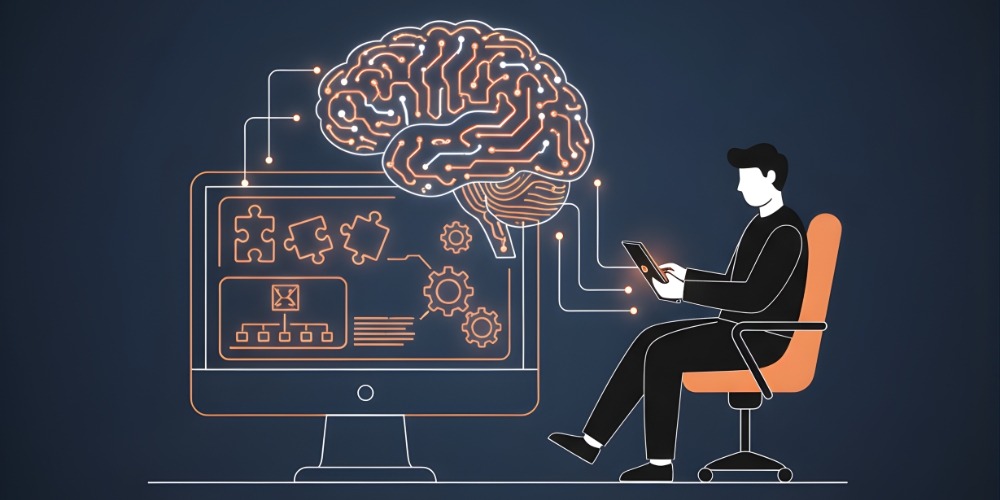
AI-assisted cognitive testing uses machine learning to measure cognitive abilities — reasoning, attention, learning agility, decision-making style — through adaptive digital assessments that adjust to each candidate in real time.
The difference from traditional cognitive tests: instead of multiple-choice quizzes producing a single score, modern AI-driven systems track behavioural signals throughout the test — response speed, consistency, confidence under increasing difficulty, switching between tasks. The signal is richer, and the analysis tells a deeper story about how the candidate processes new information.
A modern system can evaluate:
- Task-switching ability
- Speed of new-information processing
- Performance stability under increasing difficulty
- Comfort with uncertainty
- Decision-making style (systematic vs intuitive)
These signals correlate strongly with success in dynamic work environments — and they are hard to fake.
Why Culture Fit Matters in Hiring

A candidate misaligned with the team's working style usually does not last long, regardless of skill. Strong technical performers leave within months when the environment does not fit. Culture fit reflects how well the candidate's values, communication style, and pace match the team — not whether they look or think like the existing team.
Second Talent's research on AI in recruitment found that around 29% of companies now use AI tools to evaluate cultural fit during hiring. When the tools focus on observable behaviour and decision patterns rather than personal background, they consistently reduce bias compared with manual culture-fit interviewing.
The real goal of culture fit assessment is not building homogeneous teams — it is identifying candidates whose working style genuinely thrives in the specific environment they will join. Done well, it improves both retention and team diversity simultaneously.
How AI Specifically Enhances Cognitive Testing
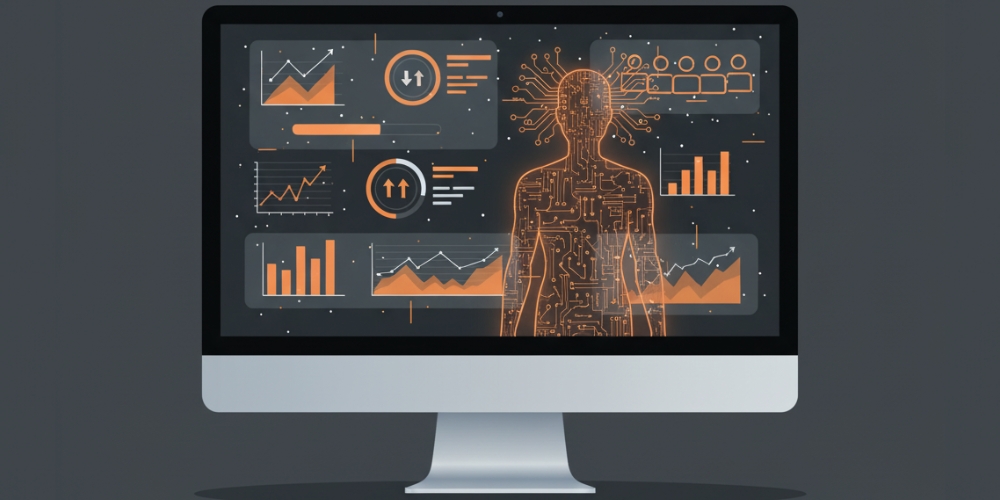
Four capabilities make AI-driven cognitive tests dramatically more predictive than the static alternatives.
Adaptive difficulty
The test adjusts as the candidate answers. Strong performers get harder questions; struggling candidates get questions calibrated to their actual level. The result is fairer signal across the full ability range, rather than overestimating low performers and underestimating high ones.
Real-time behavioural analytics
Every answer, hesitation, and timing pattern produces signal. AI systems analyse decision-making style alongside accuracy — telling recruiters not only whether the candidate got the right answer but how they got there. Under-pressure performance, uncertainty handling, and consistency over time all become measurable.
Integration with hiring systems
Modern platforms connect directly to ATS systems. Test results flow into the candidate record alongside resumes and interview notes — a complete picture in one view rather than fragmented data across tools.
Surfacing potential traditional tests miss
NIH research on AI assessment validity finds that AI-based evaluations are less susceptible to candidate self-presentation effects than human reviewers. The technology recognises potential in candidates with unconventional educational or career paths who would underperform on traditional credentials-based screening.
Paired with HR automation tooling across the rest of the funnel, the system delivers a balanced combination of speed and accuracy that manual workflows cannot match.
Matching Skills to Culture With AI
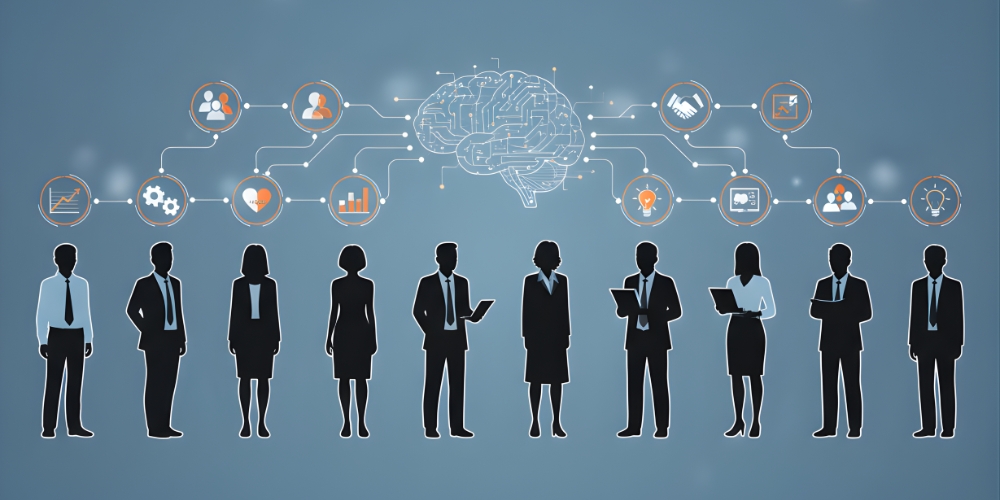
Cognitive testing alone tells you about ability. Combining it with cultural and behavioural analytics tells you whether the candidate will thrive specifically in your environment.
Thinking-pattern recognition
AI identifies how candidates prefer to approach problems — systematic vs intuitive, analytical vs creative, methodical vs experimental. Compared against patterns from current high-performers, this signals which candidates are likely to integrate quickly.
Behavioural insight layered on cognitive data
Modern platforms combine psychometric analysis with cognitive testing to identify motivation, curiosity, openness, and resilience. Anonymised datasets from previous hires teach the model what success looks like in your specific environment, and the model surfaces similar patterns in new candidates. AI staffing solutions increasingly bake this approach into the standard screening flow.
Real-world applications
AI talent assessment platforms routinely combine cognitive and culture analytics. A startup hiring for a fast-paced product role might prioritise quick decision-making and high task-switching tolerance; a research-oriented organisation might value reflective reasoning and depth. The same platform produces different shortlists for the same candidate pool depending on the role's actual demands.
Beyond hiring — continuous development
The same tooling extends into employee development and leadership growth. Tracking how thinking styles evolve over time lets organisations tailor learning programs to individual potential, turning one-time hiring assessment into a continuous growth signal.
Ethical Considerations and Best Practices
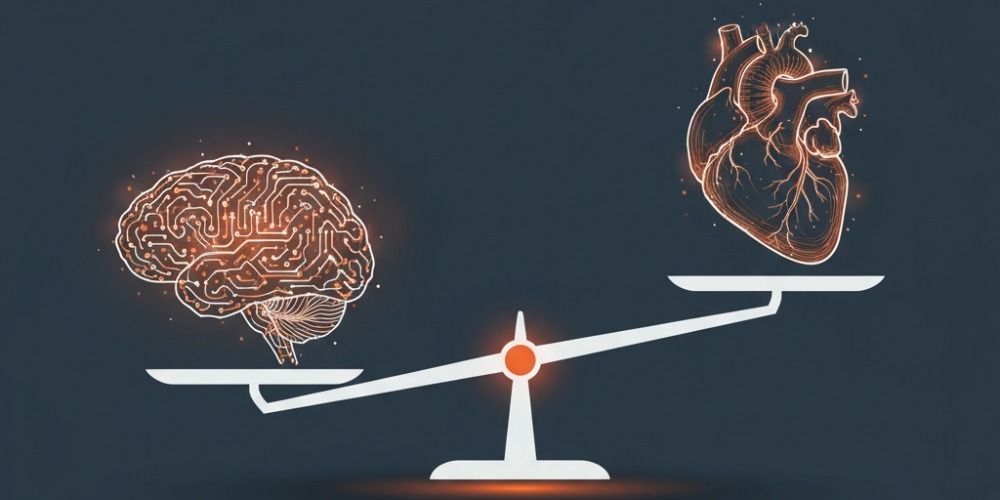
Speed and accuracy are not the whole story. Four practices keep AI cognitive testing defensible.
Protect candidate privacy
Cognitive assessment data is sensitive personal information. Anonymise where possible, store securely, restrict access to authorised reviewers, and tell candidates clearly how their data is used, how long it is retained, and who has visibility. The basics matter.
Audit for fairness and inclusion
AI systems learn from past data, which can carry historical bias. Regular bias audits across demographic groups are non-negotiable. Diverse training data and ongoing manual review of edge cases are how the bias risk stays managed rather than hidden.
Keep humans in every decision
AI filters, ranks, and predicts; humans hire. The final call should always rest with a recruiter or hiring manager who can apply context and judgement. The best implementations use AI as an advisor, never a gatekeeper.
Stay current with regulations
The EU AI Act and US EEOC guidance both treat AI hiring tools as high-risk systems with specific transparency and fairness obligations. Maintain decision records, offer alternatives for candidates who prefer traditional evaluations, and document how the algorithms make decisions. This is regulatory floor, not best-practice ceiling.
The Bottom Line
AI-assisted cognitive testing is one of the cleaner applications of AI in modern hiring. It evaluates how candidates think, not just what they know; it adapts to each candidate in real time; it pairs cognitive signal with behavioural and cultural insight; and it surfaces potential that traditional credentials-based screening often misses. Combined with strong ethical practices — privacy, bias auditing, human oversight, regulatory awareness — the technology produces hiring decisions that hold up at both the 90-day and the year-three marks. The recruiting teams that adopt this approach thoughtfully build measurably stronger teams than competitors still operating on intuition and resume scans.
FAQs
How do AI video-interview analysis tools work in fit assessment?
They evaluate facial expressions, tone, and speech patterns to detect engagement, confidence, and communication clarity. Combined with cognitive data, they offer a fuller picture of how candidates handle pressure and present their thinking.
Can AI evaluate soft skills like empathy and leadership?
Modern models can analyse storytelling, tone, and behavioural cues to evaluate communication style, empathy signals, and leadership presence. The accuracy depends heavily on the quality of the training data and the role-specific calibration.
How do AI tools handle resume evaluation beyond keywords?
They parse language structure, phrasing, and described achievements to identify cognitive complexity and problem-solving signals — not just keyword matches. Strong models recognise high-quality writing about modest experience and middling writing about strong experience, and weight accordingly.
How does AI improve assessment accuracy over traditional methods?
By integrating multiple data streams — assessment results, interview transcripts, behavioural patterns — into a single predictive model. The combined signal is more accurate than any single source, and the model improves over time as it sees more outcomes.
How does agentic AI change recruiter workflows?
Agentic AI can take autonomous actions within defined boundaries — surfacing matches, flagging inconsistencies, drafting outreach — without explicit recruiter prompts. The recruiter sets the parameters; the system handles the volume.
How do AI tools personalise candidate communication?
By learning tone preferences and engagement patterns. Chat interfaces send personalised updates, feedback, and interview preparation tips that feel warmer and more individual than templated communication.
Keep reading


How AI Tools Reduce Candidate Stress in Hiring (and Improve Outcomes)
