

How AI Tools Reduce Candidate Stress in Hiring (and Improve Outcomes)
Modern AI hiring tools can reduce candidate stress and produce better evaluation — what good design looks like and how to build it deliberately.
Ployo Team
Ployo Editorial
TL;DR
- Traditional assessments stress candidates through rigid timing, unclear instructions, and unpredictable formats.
- Stressed candidates underperform vs their actual capability — bad signal for hiring decisions.
- AI tools can reduce stress through clearer instructions, flexible timing, and consistent design.
- Calmer candidates produce more accurate skill signal, which improves hiring outcomes.
- Best practice: short instructions, soft pacing, simple visuals, practice rounds, flexible scheduling.
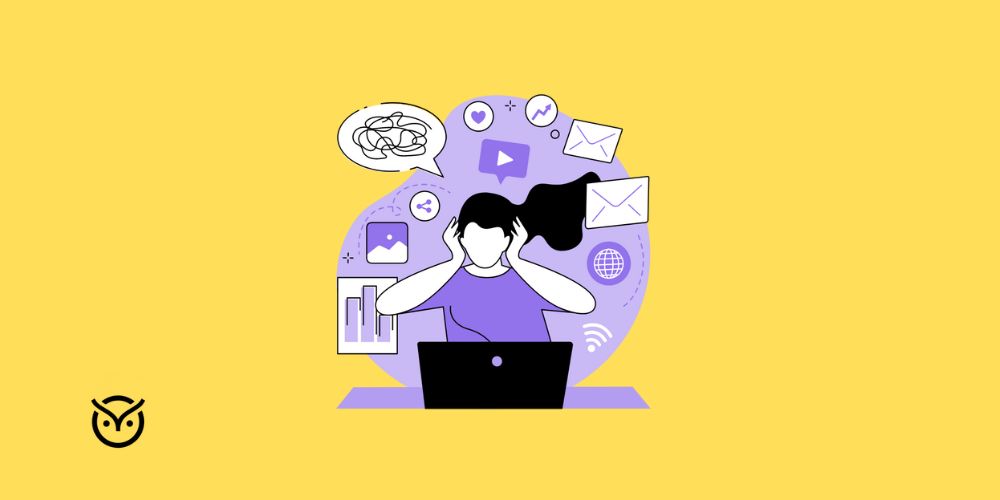
Stressed candidates underperform — and that underperformance produces hiring decisions based on stress tolerance rather than actual capability. Traditional assessment design often maximises stress accidentally: rigid time limits, unclear instructions, surprise formats, opaque scoring. AI-powered hiring tools can flip this dynamic, producing assessment experiences that reduce stress while improving signal. The result: stronger hiring decisions and better candidate experience simultaneously. This guide walks through why stress matters in hiring, how AI tools reduce it, and how to design stress-aware assessment processes.
Why Traditional Assessments Create Stress
Five structural features that consistently produce candidate anxiety.
Rigid timing pressure
Hard time limits with no flexibility. Candidates spend cognitive cycles on the clock instead of on the work, which produces worse work.
Unclear instructions
Candidates don't fully understand what they're being asked to do. Anxiety compounds because they're guessing rather than executing.
Surprise formats
Unexpected question types, unfamiliar interfaces, unanticipated requirements. Each surprise spikes anxiety and reduces performance.
Opaque scoring
Candidates don't know what's being measured. Without that framing, they can't focus on what actually matters.
Live-screening intimidation
Synchronous video calls with multiple interviewers produce performance anxiety for candidates who would shine in async conditions.
The cumulative effect: skilled candidates underperform; assessment results reflect stress tolerance more than capability.
How AI Tools Can Reduce Stress
Five concrete improvements modern AI-enabled assessment platforms enable.
Flexible timing windows
Candidates choose when to complete tasks within a reasonable window. Removes scheduling stress; allows candidates to perform at their best moment.
Clear pre-task guidance
SHRM research on predictive assessments shows candidates perform better when assessments follow predictable, clearly explained formats. AI tools can deliver consistent pre-question framing automatically.
Consistent structure across candidates
Every candidate gets the same assessment experience. Removes the "did everyone else get easier questions?" anxiety that variable-difficulty assessments produce.
Calm visual design
Soft visuals, simple layouts, clean pacing. Modern tools have moved beyond legacy assessment UI that felt like 2008 exam software.
Practice rounds
Short practice questions before the real assessment. Candidates enter knowing the format; format-unfamiliarity stress disappears.
The cumulative effect: candidates focus on demonstrating skill rather than managing anxiety, producing more accurate evaluation signal.
How Calmer Assessment Design Improves Hiring
Three downstream benefits when candidates aren't stressed.
More accurate skill measurement
When candidates aren't burning cognitive resources on anxiety, their actual capability shows through. The assessment measures what it's supposed to measure.
Stronger candidate experience
Candidates remember how the assessment felt. Stress-aware design produces brand-positive memories regardless of outcome.
Reduced bias
Stress tolerance correlates with privilege (financial cushion to take time, supportive environment to work from, mental health resources). High-stress assessments inadvertently filter for these. Calmer design produces fairer outcomes.
The combination — better signal, better experience, fairer outcomes — is why stress-aware design has become a competitive practice rather than just an ethical one.
How to Build a Stress-Free Assessment Experience
Seven design choices that consistently produce better outcomes.
1. Keep instructions short
Long, dense instructions produce confusion. Short, clear framing produces understanding. The right balance is usually 1-2 sentences per task.
2. Use soft timing
Suggested time per question rather than hard limits where possible. Where hard limits matter (timed tests), generous buffers reduce panic.
3. Keep visuals simple
Distracting interfaces consume attention that should go to the task. Clean design respects cognitive bandwidth.
4. Offer practice rounds
A non-scored question or two showing the format. Removes "what does this question expect from me?" anxiety.
5. Limit total task volume
2023 research published in the Journal of Applied Psychology shows shorter, well-designed assessments often predict performance as well as longer ones. Don't over-test.
6. Support scoring transparency
Tell candidates what's being measured. The framing improves focus and reduces uncertainty stress.
7. Offer flexible scheduling
Allow candidates to choose their session. Eliminates the scheduling-anxiety that synchronous-only assessments produce.
These practices work together to create assessment experiences that respect candidate cognition while still producing strong evaluation signal.
What Doesn't Work
Three patterns that consistently produce stressed candidates and weak signal.
Marathon assessment days
8-hour interview days with back-to-back sessions produce fatigue-distorted results. Splitting across days produces better outcomes.
Surprise format changes
"Now we're going to do a coding test you didn't know about" produces anxiety that distorts results. Communicate the format upfront.
Opaque AI scoring
When candidates don't know they're being evaluated by AI or how, the uncertainty compounds stress. Transparent disclosure is both ethical and operationally better.
Beyond Stress Reduction: What AI Adds
Stress reduction is one benefit of modern AI assessment tools. Others worth noting:
- Consistent evaluation criteria across candidates
- Pattern detection that humans miss at volume
- Faster scoring and feedback
- Integration with ATS workflows for unified candidate management
- Audit trails for compliance and fairness review
The combination — calmer candidates + better tooling + faster decisions — produces strong outcomes across multiple dimensions.
The Bottom Line
Assessment stress is a hidden cost in traditional hiring that distorts results and produces decisions about stress tolerance rather than skill. Modern AI-powered hiring tools can flip this dynamic — clearer instructions, flexible timing, predictable formats, calm design, and consistent scoring all reduce stress while improving signal quality. The companies that adopt stress-aware assessment design produce stronger hiring outcomes and better candidate experience simultaneously. The discipline is teachable, the tooling is available, and the case for using both is straightforward: stressed candidates underperform; calmer assessment produces better hires. The investment pays back across every hiring cycle.
FAQs
Why do AI-driven assessments feel less intimidating?
Predictable steps, simple instructions, flexible timing, and consistent design across candidates. The cumulative effect reduces anxiety and lets candidates focus on demonstrating skill.
Do shorter assessments produce better hiring outcomes?
Often yes. Well-designed shorter assessments reduce fatigue and produce more accurate signal than long tests with many low-value questions. Quality of design matters more than quantity of questions.
Are AI assessments more fair than traditional ones?
When properly audited, yes — consistent scoring reduces evaluator variance. Without audit discipline, AI can encode bias. The audit is the difference.
Should candidates practice before AI assessments?
Yes — when practice rounds are available. Format familiarity removes anxiety that would otherwise distort performance.
What's the single highest-leverage stress-reduction improvement?
Flexible scheduling. Letting candidates choose when to complete async assessments removes a large category of anxiety that synchronous-only assessments produce.


