

Why Recruiters Invest in AI Talent Assessment Tools
AI talent assessment tools — what they measure, why recruiters adopt them in 2026, benefits for both sides, and how to use them with human judgment.
Ployo Team
Ployo Editorial

TL;DR
- 62% of employers expect to use AI for most hiring steps by 2026 (HireTruffle).
- 92% of companies plan to increase AI investments in next 3 years (McKinsey).
- AI cuts hiring time up to 75% and costs ~30% (ResearchGate).
- Best results: AI screens; humans handle culture fit + final decisions.
- Audit regularly to prevent algorithmic bias.
Hiring on resumes and gut feel alone doesn't scale. Bad hires cost tens of thousands per mismatch. This guide explains why recruiters are investing heavily in AI assessment tools, what they measure, the benefits for both sides, and the best practices that keep them effective.
What AI Talent Assessment Tools Are
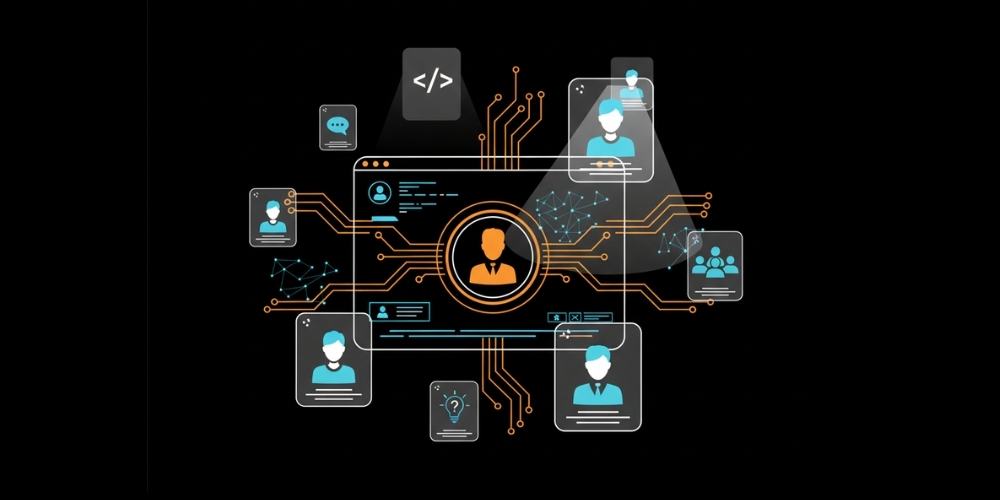
Digital platforms using machine learning, NLP, computer vision, and statistical models to evaluate candidates. Beyond resumes — processes test answers, video interviews, situational judgments to score and rank.
Many integrate with ATS, support multilingual delivery, and offer video assessment modules where async video responses get analysed for content, tone, and patterns. Goal: provide hiring teams with objective, comparable data across candidates. Pairs with broader talent assessment tools strategy.
Why Recruiters Are Investing in 2026
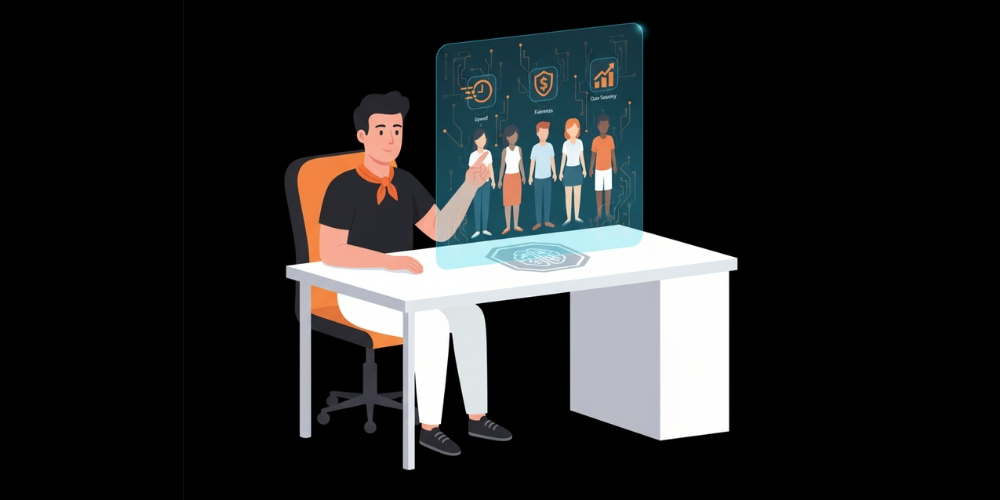
Five forces pushing adoption.
High adoption + expectations
Per HireTruffle's AI recruitment data, 62% of employers expect to use AI for most or all hiring steps by 2026. Per McKinsey's Superagency research, 92% of companies plan to increase AI investment in next 3 years.
Cutting costs and time
Per ResearchGate's multi-company analysis, AI adoption can reduce hiring time up to 75% and expenses nearly 30%.
Avoiding bad hires
Top AI tools for talent assessment surface red flags early, reducing mismatch costs.
Fairness and consistency
Per WJARR research, AI can reduce bias by focusing on skills and objective data — when properly designed.
Integration with tech stack
Recruitment automation software makes AI assessment a natural part of connected workflows.
What These Tools Measure
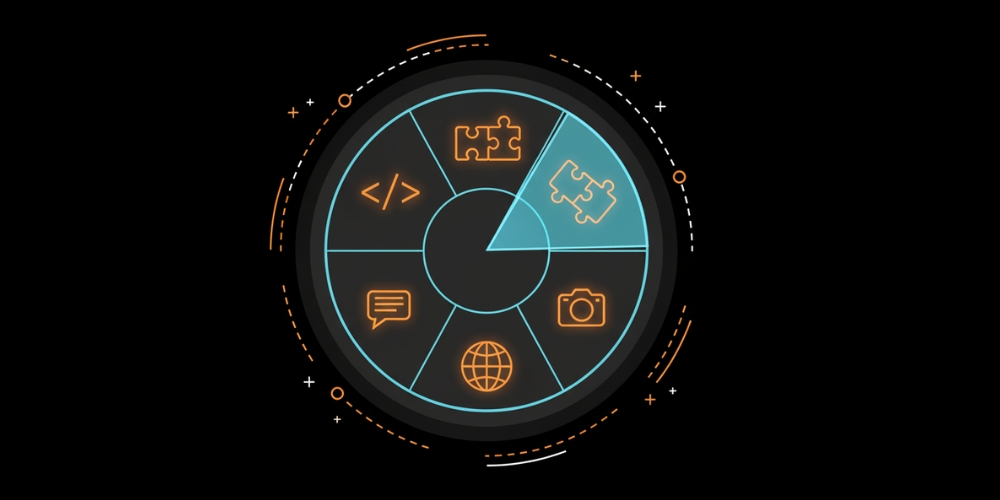
Seven dimensions.
Technical and domain skills
Coding tests, logic puzzles, domain quizzes. Foundation for software, data, engineering roles.
Cognitive ability and problem solving
Reasoning and adaptability under novel problems.
Behavioural, personality, soft skills
Situational judgment tests, personality questionnaires gauging teamwork, leadership, resilience.
Communication and presentation
Video assessment modules score clarity, structure, tone.
Role or task simulation
Sales pitch, marketing brief, debugging task. Auto-scored.
Consistency, honesty, risk
Inconsistency detection, plagiarism checks, test timing monitoring.
Multilingual and cultural adaptability
Fair assessment across languages with content tailoring.
Benefits for Recruiters and Employers

Five concrete benefits.
Speed and efficiency
Scoring dashboards highlight top matches quickly; hours of resume sifting cut to minutes.
Consistency and fairness
Same scoring logic across all applicants enforces fair process.
Higher hire quality
Behavioural insights + AI evaluation reduce mismatch.
Cost savings
Lower turnover + reduced screening hours + fewer bad hires.
Tech-stack integration
Slots into existing automation; supports audits and KPI tracking.
Benefits for Candidates
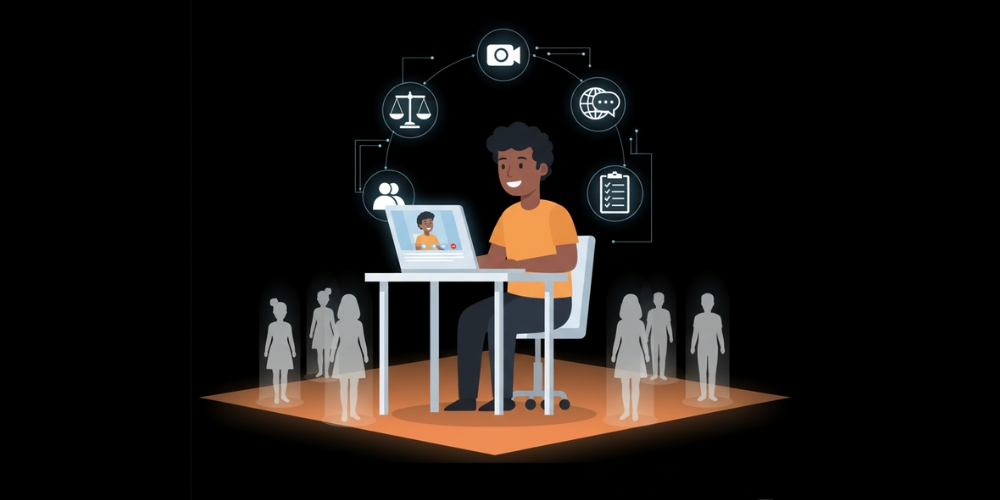
Five candidate-side gains.
Accessibility
Online modules eliminate travel and scheduling hassles.
Fair treatment
Properly designed AI scores on performance, not personal details.
Flexibility
Async video responses skip scheduling conflicts.
Clarity
Structured feedback explains scoring instead of black-box rejections.
Language inclusivity
Multilingual support means assessments in candidates' best language.
Best Practices
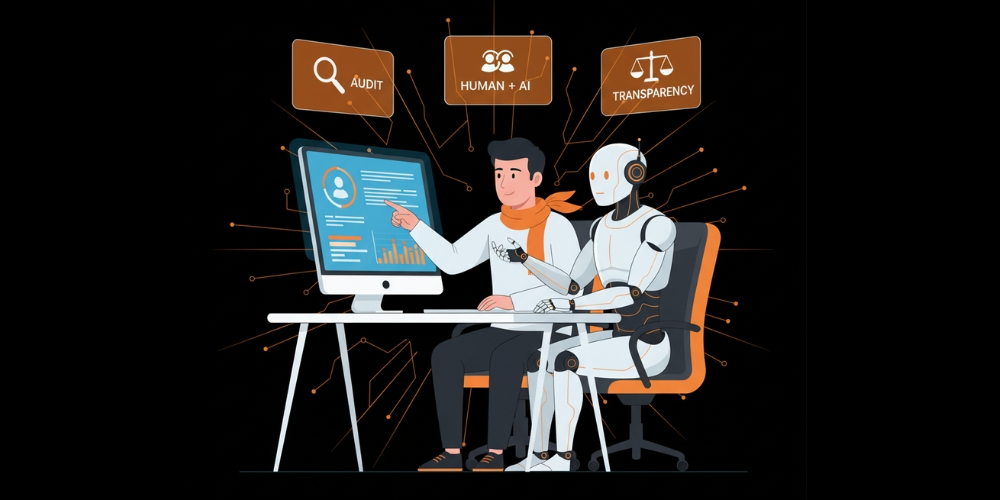
Six practices that consistently work.
Blend AI with human oversight
AI informs decisions; humans evaluate culture and final fit.
Audit regularly
Quarterly bias audits across gender, race, age, geography.
Match tool to role
Coding tools for tech; video and simulation for sales and communication-heavy roles.
Stay transparent
Disclose AI use to candidates. Builds trust and supports compliance.
Leverage data smartly
Feed results into dashboards for cohort comparison, predictive analytics, strategy refinement.
Combine with training
Use insights to tailor onboarding and development plans for new hires.
The Bottom Line
Hiring in 2026 is too complex for resumes and gut feel alone. Speed, accuracy, fairness from AI tools matters — paired with human judgment on culture and chemistry. The teams treating AI as ally rather than replacement build more skilled, more engaged, more aligned teams. Adoption is a necessity, not a trend.
FAQs
Do AI assessments replace human recruiters?
No. AI handles screening and scoring; humans handle culture, creativity, final decisions. Blend produces best results.
Are AI assessments fair to all candidates?
When designed and audited well, yes. AI reduces unconscious bias by focusing on skills — but ongoing audit is essential to prevent algorithmic bias.
What's new in 2026 AI assessments?
Video assessment integration, multilingual support, customisable candidate evaluation, deeper analytics, and direct connection to automation platforms.
How quickly should ROI show up?
Most teams see meaningful time and quality improvements within the first 90 days of deployment.
What's the highest-leverage starting move?
Pick your highest-volume role and run a 60-day AI assessment pilot. Measure time-to-hire, quality-of-hire, and recruiter hour savings. The data justifies broader rollout fast.


