

Why Is Dubai So Rich? A Job Seeker's Guide
Why Dubai is so wealthy — oil-to-diversification story, the sectors driving growth, job opportunities, and practical advice for moving and working there.
Ployo Team
Ployo Editorial
TL;DR
- Oil now contributes less than 1% of Dubai's GDP; non-oil drives 95%+.
- 5.2M+ international visitors in Q1 2024 (Digital Dubai).
- DIFC revenue rose 37% in 2024 to AED 1.78B / $485M (Reuters).
- Major sectors: trade, tourism, real estate, finance, logistics, tech.
- Hussain Sajwani ~$10.2B net worth (Business Outreach, 2025).
Skyscrapers, luxury cars, international workers — Dubai's wealth is visible everywhere. But how did a desert fishing village become a global magnet for capital and talent? This guide explains the origins, the diversification story, and what it means for job seekers planning a move.
The Origins of Dubai's Wealth
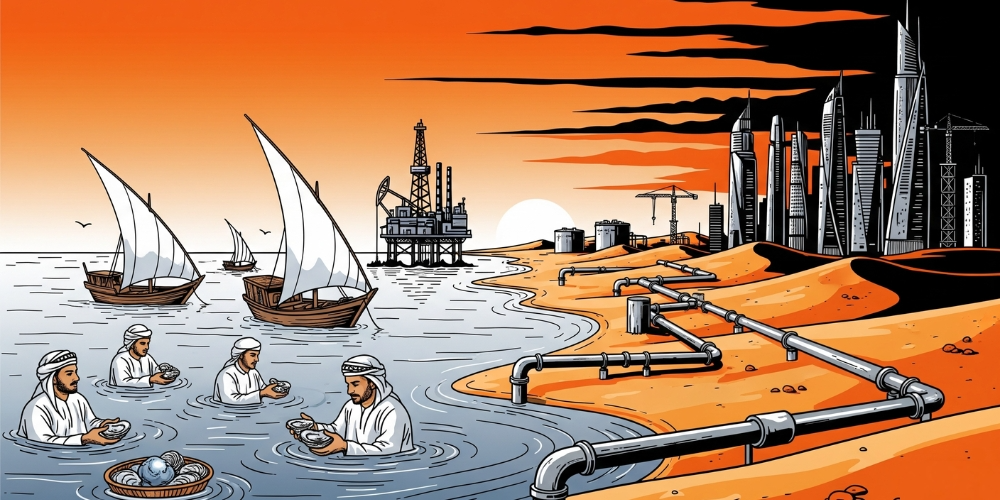
Dubai started as a fishing and pearl-diving village. Early 20th-century trade with India, Persia, East Africa laid the foundation. Mid-century oil discoveries (mostly in Abu Dhabi but with some impact on Dubai) funded ports, roads, and infrastructure.
The crucial choice: rulers reinvested oil profits into trade, ports (Jebel Ali), airports, and later free zones. Oil dependence dropped. The 1990s and early 2000s saw the transformative growth in trade, tourism, and property.
Dubai's Diversification Secrets
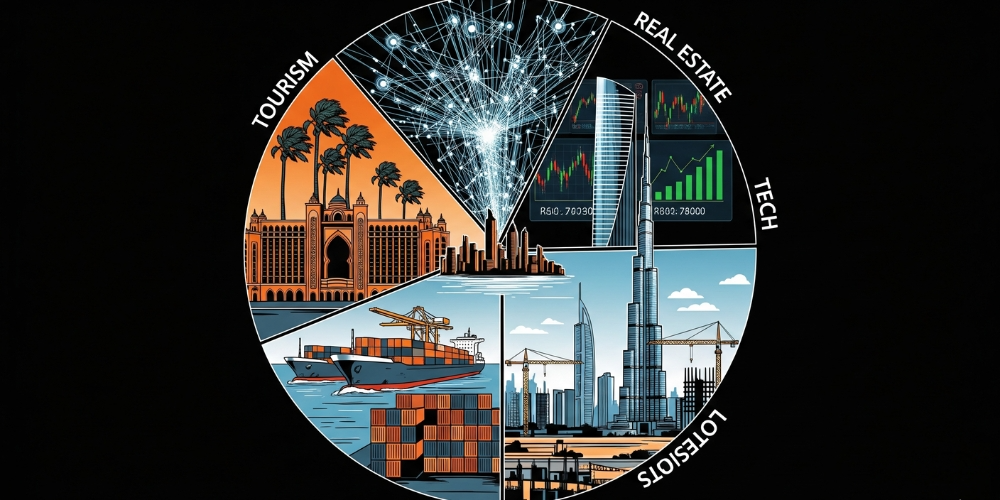
Per Dubai.com, oil now contributes less than 1% of GDP. Per Dubai Department of Finance, 95%+ of the economy is non-oil.
Trade and re-exports
Strategic location between Asia, Africa, Europe. Free zones (Jebel Ali) reduce tariffs and red tape.
Tourism and hospitality
Per Digital Dubai's Q1 2024 data, Dubai welcomed 5.2M+ international visitors in Q1 2024 — up 11% year over year.
Real estate and construction
Burj Khalifa, Palm Islands set luxury real estate brand. Real estate contributed ~7.3% of Q1 2024 GDP.
Finance and free zones
Per Reuters, DIFC revenue rose 37% in 2024 to AED 1.78B (~$485M), operating profit up 55%.
Logistics, transport, communications
Dubai International is a global hub. Ports busy; digital infrastructure expanding rapidly.
Business leaders
Per Business Outreach, Hussain Sajwani (real estate) holds ~$10.2B net worth in 2025. Abdulla Al Ghurair leads banking and diversified holdings. Private enterprise compounds Dubai's wealth alongside government investment.
What This Means for Job Seekers

Dubai's diversification translates to broad opportunity.
Not everyone in Dubai is rich. Migrant workers earn modest incomes alongside the visible luxury. But compared to many regions, Dubai offers:
- Tax-free pay for most expats
- Global career exposure
- Opportunities in DIFC, Dubai Internet City, free zones
Where demand concentrates
Hospitality, logistics, finance, healthcare, construction, and increasingly technology — fintech, AI, e-commerce. HR automation in UAE accelerates hiring decisions across all these sectors.
Higher expectations, better chances. Dubai rewards skill, adaptability, and global thinking.
Practical Steps for Considering Dubai
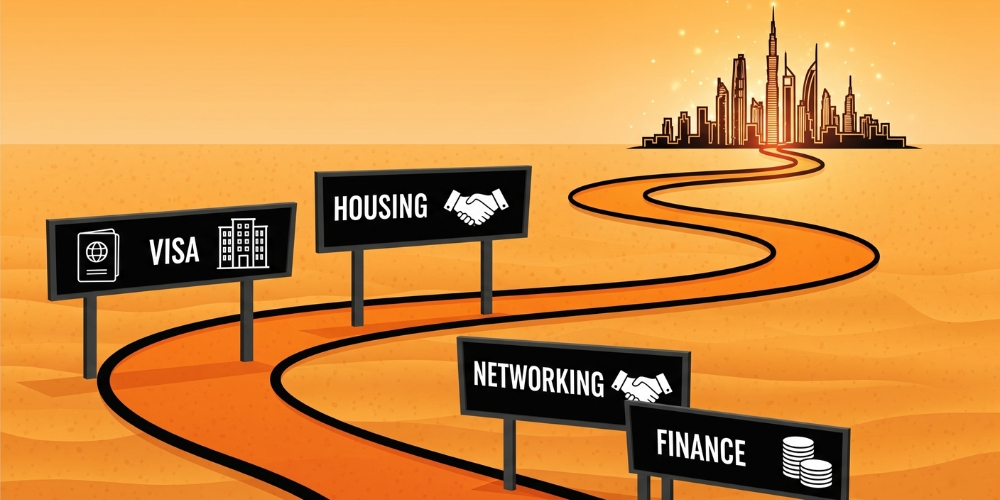
Five steps that matter most.
Understand the legal framework
Check rules under UAE employment law. Contracts, visa terms, benefits differ from many other countries.
Target growing industries
Trade, tourism, real estate, finance, technology drive the most hiring. Expats fill roles in banking, IT, healthcare, hospitality, while UAE government roles are mostly reserved for citizens.
Research the market
Wages vary widely — from millions for elite executives to entry-level service roles paying much less. Realistic expectations matter.
Network deliberately
Dubai is relationship-driven. Industry events, professional connections, peer networks open doors before job boards do.
Prepare financially
Living costs can be high. Rent is the biggest line item; salaries may look great on paper but plan for housing, transport, schooling.
The Bottom Line
Dubai is more than a luxury travel destination — it's a real case study in moving from oil dependency to a global hub of trade, finance, tourism, and tech. For job seekers, skip the myth that everyone is rich. Focus on real opportunities, build the right skills, and Dubai becomes a credible city of dreams for ambitious professionals.
FAQs
Which industries are best for expat jobs?
Hospitality, construction, healthcare, finance, IT, logistics. Tech and e-commerce growing fast.
Do you need Arabic to work in Dubai?
No. English is the main business language. Arabic helps in government or legal roles; private sector operates in English.
How competitive is the job market?
Very. High-paying sectors like banking and tech draw heavy competition. Networking and specialised skills lift your chances.
What's the average salary range?
Wide. Service roles often $1,000–$2,000/month; finance and IT professionals $5,000–$15,000+/month. Senior executives much higher.
Is Dubai good for fresh graduates?
Yes — international exposure, tax-free salaries, global firm networking. But manage expectations; entry roles don't match the luxury lifestyle image.


