

Third Shift Explained: Hours, Pay, and Common Jobs
Third shift work — what it is, hours, why employers pay more, common jobs, pros and cons, and how to thrive on overnight schedules.
Ployo Team
Ployo Editorial
TL;DR
- Third shift = overnight work, typically 11 PM–7 AM.
- Employers pay differentials (flat or percentage) to attract workers.
- US law doesn't require night-shift extra pay — it's policy.
- Common jobs: healthcare, manufacturing, logistics, security, IT, hospitality.
- Health risks include sleep disruption, BMI increases, raised disease risk.
While most people sleep, third-shift workers keep essential services running. It's not glamorous, but it's essential — and employers pay more for the disruption it creates. This guide explains what third shift is, why employers pay extra, the common jobs, and the trade-offs.
What the Third Shift Is
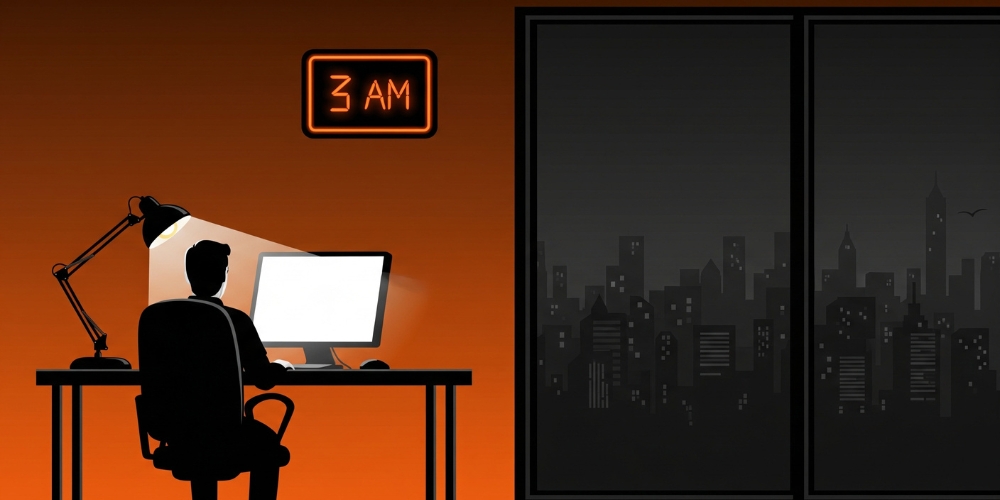
The overnight work schedule keeping essential services running while most of the population sleeps. Also called the "graveyard shift" — covering the quietest, darkest hours of the day.
First, Second, and Third Shift
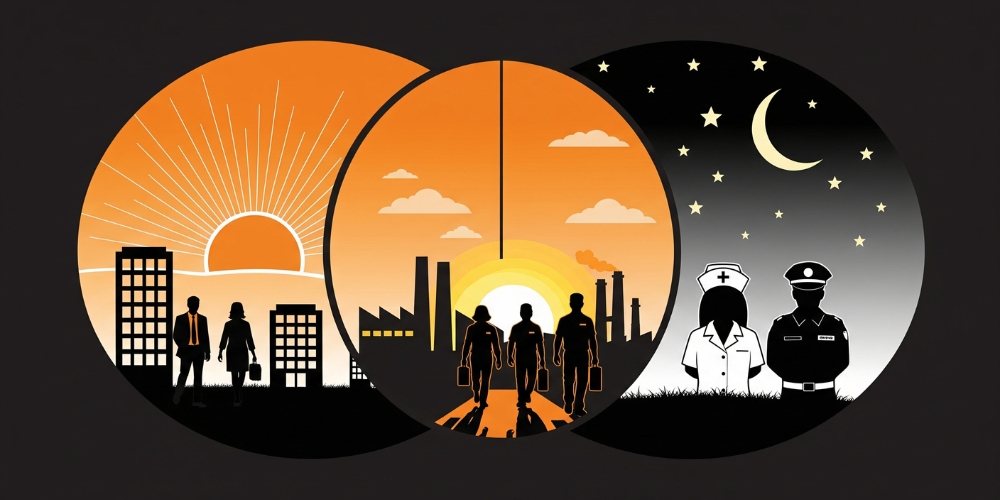
| Shift | Typical Hours | Feel |
|---|---|---|
| First | ~7 AM – 3 PM | Daylight, regular routines |
| Second | ~3 PM – 11 PM | Dinner time, some evening overlap |
| Third | ~11 PM – 7 AM | Night time, deep sleep zone |
Industries vary — healthcare, manufacturing, transportation often adjust exact times based on operations.
Why Employers Pay More
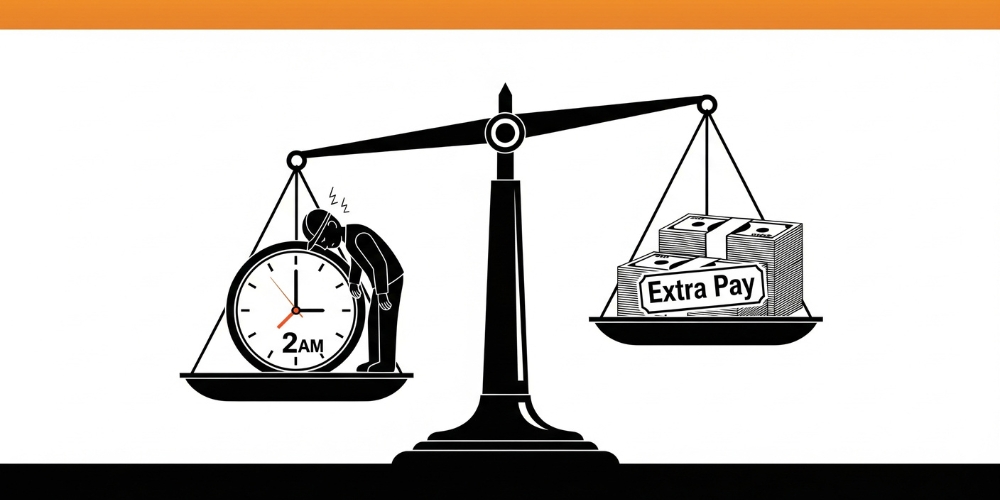
Basic economics: low supply, growing demand.
Common pay structures
Per Business.com analysis, employers add either a flat rate (e.g., $2/hour extra) or percentage-based bump (e.g., 10%+ over normal pay).
Why bother
- Overnight disrupts sleep, social life, body rhythms
- Productivity often dips vs day shifts; fixed costs remain
- Premium pay is the trade-off to fill positions reliably
US law doesn't require night-shift extra pay. Up to employer-employee agreement.
Pros and Cons
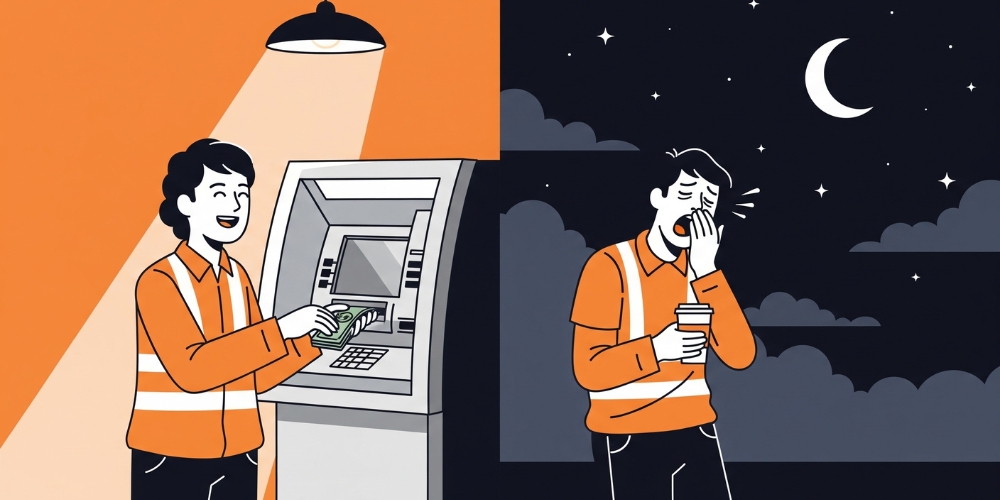
Pros
- Higher pay through shift differential
- Less competition for available roles
- Quieter environment for focus-heavy work
- Daytime free for appointments, classes, family
Recruiters using strong recruiting tactics often find quality candidates here.
Cons
- Health risks: per Nature research, night-shift workers show higher BMI + waist circumference. Per NIH studies, breast cancer risk increases up to 2.34x.
- Sleep deprivation: per Concentra, night workers lose ~2 hours sleep daily.
- Mental strain: per Tom's Guide 2025 study coverage, shift workers report lower sleep quality and higher emotional sensitivity.
- Social isolation: friends and family on opposite schedules.
- Safety concerns: fatigue raises error rates. Shift work sleep disorder affects ~26% of night/rotating shift workers.
Common Third-Shift Jobs
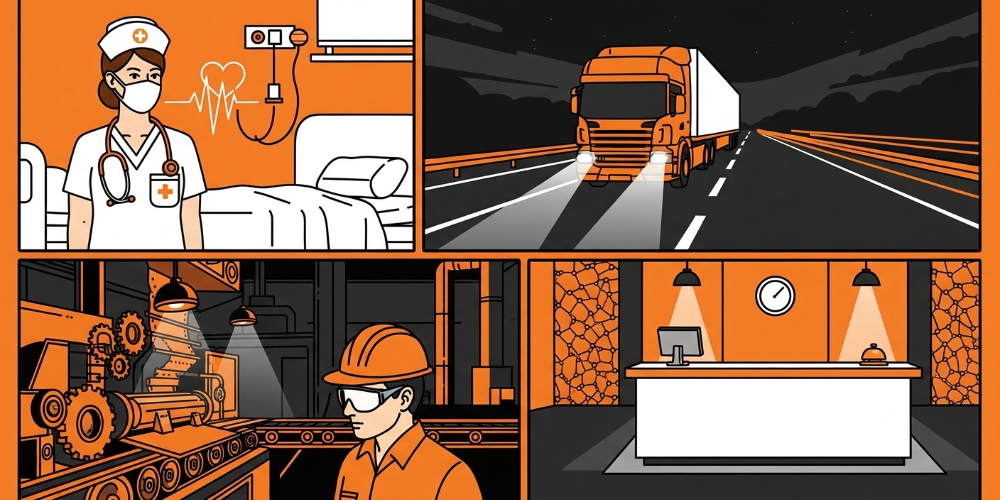
Six sectors that depend on overnight workers.
Healthcare
ER, ICU, long-term care all need 24/7 staffing.
Manufacturing + production
24/7 factories — auto parts, food processing, global supply chains.
Transportation + logistics
Truckers, warehouse staff, pilots. E-commerce drives heavy overnight demand.
Security + protective services
Guards, correctional officers, first responders — risks spike at night.
IT + tech support
Global operations need overnight monitoring. Cybersecurity especially critical.
Hospitality
Hotels, casinos, restaurants — front desk, night audits, prep teams.
Tips for Succeeding on Third Shift
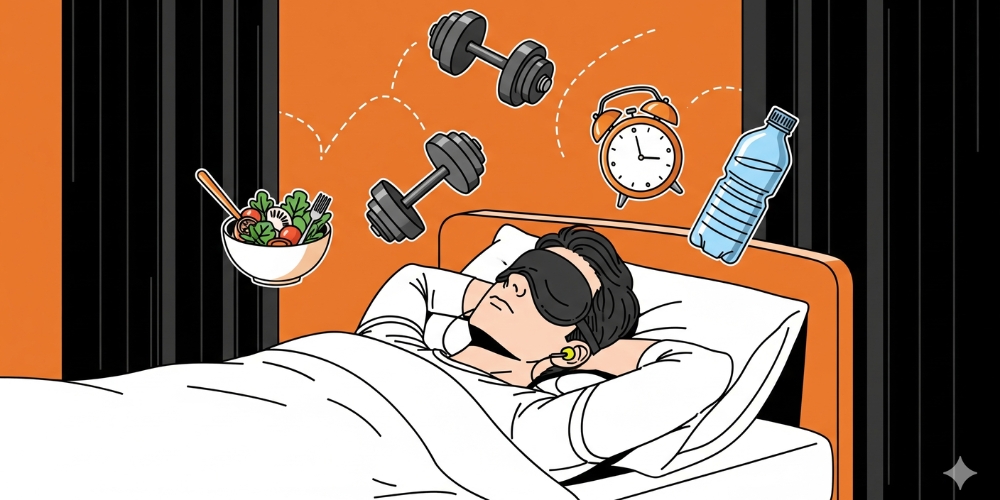
Seven practices that consistently work.
Prioritise sleep like work
Blackout curtains, white noise, 7–9 hour consistent routine. Resist daytime distractions.
Eat smart
Light, balanced meals over fast food. Limit caffeine before bedtime.
Stay active on breaks
Walks, stretching, bodyweight exercise. Fights drowsiness and long-term heart-disease risk.
Build a supportive social routine
Plan family meetups; stay intentional with friends on opposite schedules.
Use the extra pay
Save faster, pay off debt, fund education. The premium is the upside — capitalise on it.
Lean on technology
Sleep-tracking apps, scheduling tools, productivity apps. Employers using AI hiring trends increasingly identify resilient night-shift candidates.
Advocate for your health
Ask about wellness resources, rotating timetables, support services. HR can often improve policies when feedback surfaces.
The Bottom Line
Third shift is tough on sleep and social life — but it's the invisible engine of healthcare, manufacturing, logistics, and safety. Employers pay more because fewer people want overnight work. Whether you're considering it personally or hiring for it, balance the health trade-offs with smart routines, supportive tools, and modern recruiting practices.
FAQs
Why is it called the graveyard shift?
Covers the quietest hours — midnight to dawn — when most people are asleep and most towns feel deserted.
Do all employers pay more for night shifts?
No. US law doesn't require it. Most employers offer "shift differential" to attract workers, but it's company policy, not law.
Is third shift bad for your health?
Can be. Disrupted sleep cycles affect physical and mental health. With proper rest, nutrition, and schedule management, many workers maintain healthy routines.
How much more do night workers get paid?
Varies. Flat hourly bump ($1–$3) or percentage increase (5–15% over day rate). Depends on employer + industry.
What's the highest-leverage move for new night workers?
Establish a consistent sleep schedule before starting. Body adapts much faster when there's structure waiting on day one.


