

Recruitment Funnel: 7 Stages, Metrics, and Optimisation
Recruitment funnel explained — the 7 stages, metrics to track at each, optimisation tactics, common challenges, and candidate-experience best practice.
Ployo Team
Ployo Editorial

TL;DR
- Recruitment funnel = step-by-step model from awareness to hire.
- 7 stages: awareness → interest → consideration → application → evaluation → interview → offer.
- 79% of job seekers use social media when searching (Glassdoor).
- Structured interviews 2x more effective than unstructured (Criteria Corp).
- Average US cost-per-hire ~$4,700; executives up to $28,000 (SHRM).
Too many applicants, not enough qualified talent, great candidates dropping off invisibly. A recruitment funnel turns hiring chaos into structure — attracting, assessing, and hiring with measurable rigour. This guide walks through the 7 stages, the metrics that matter at each, common challenges, and how to optimise the funnel without burning out the team.
What a Recruitment Funnel Is
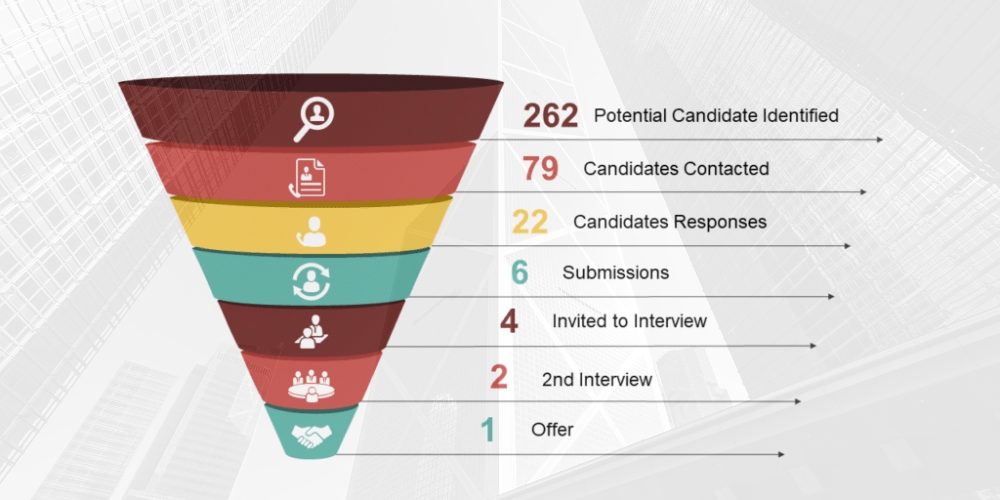
A step-by-step model that helps employers manage and optimise the talent acquisition process. Works like a filter — broad at the top, narrowing through stages to the final hire.
Hiring pipeline's GPS. Breaks the journey into manageable stages so you can spot leaks, tweak strategies, and track performance.
Not just role-filling. Part of broader recruitment marketing — promoting brand, building trust, warming candidates long before they apply.
The 7 Funnel Stages
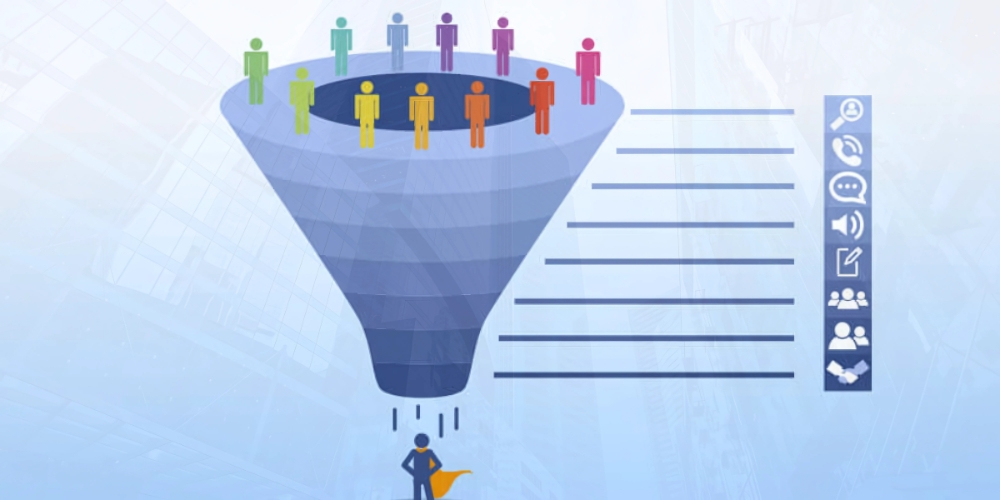
1. Awareness
First contact with your brand. Per Glassdoor research, 79% of job seekers use social media during their search.
2. Interest
Candidates exploring your company. Employer brand does the work — testimonials, real job ads, engaging career pages.
3. Consideration
Candidates comparing you to alternatives. Stories beat fluff.
4. Application
Ready to apply. Slow or clunky forms lose ~92% of candidates per Appcast data.
5. Evaluation
Resume review + screening + AI sorting. Smart filters move fast without missing great talent.
6. Interview
Per Criteria Corp, structured interviews are 2x more effective than unstructured at predicting performance.
7. Offer + Hire
Personal, fast, easy to accept. Smooth offer process makes or breaks closing.
Funnel Metrics and ROI
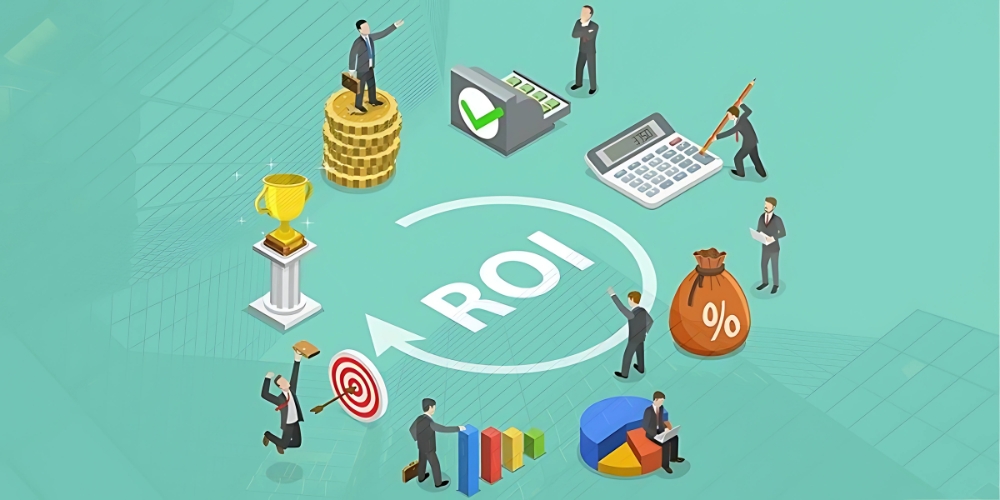
You can't improve what you don't measure.
| Stage | Metric | Why It Matters |
|---|---|---|
| Awareness | CPC, impressions | Reach of marketing funnel |
| Interest | CTR, time on page | Engagement + content relevance |
| Application | Conversion rate | Visitors → applicants |
| Evaluation | Qualified candidate rate | Screening efficiency |
| Interview | Interview-to-offer ratio | Decision-making efficiency |
| Offer + hire | Acceptance rate, time-to-hire | Offer competitiveness |
| Overall | Cost-per-hire, source of hire | ROI + best channels |
Per SHRM benchmarking data, average US cost-per-hire is ~$4,700, rising to $28,000+ for executive roles.
Using Data and Tech

Four high-leverage interventions.
AI resume screening
AI surfaces top talent in minutes across thousands of applications. Reduces bias and accelerates evaluation.
Applicant Tracking System
Single source of truth. Tracks where candidates drop off; automates handoffs and reminders.
Recruitment marketing automation
Most applicants don't apply on first contact. Automation keeps them warm without spam.
Real-time dashboards
Alerts when application conversion drops or interview-to-offer ratio spikes. Faster intervention beats end-of-quarter reviews.
Common Funnel Challenges

Four common breakdowns with fixes.
Application drop-offs
Problem: long forms or mobile friction. Fix: simplify; use autofill or resume parsing.
Too few qualified candidates
Problem: too-broad targeting or wrong channels. Fix: programmatic ads; refined JDs; screening questions.
Low offer acceptance
Problem: slow offers or expectation gaps. Fix: faster decisions; clearer benefits; personalised offers.
Poor candidate experience
Problem: silence + unclear timelines. Fix: automated updates; post-interview feedback; realistic expectation-setting.
Per PWC research, 49% of candidates are more likely to reject offers after poor candidate experience.
Candidate Experience by Stage

Best practices for every stage.
Awareness
Consistent messaging across job boards, social, career pages. Lead with values.
Interest
Fast response to inquiries. JDs in plain language, no jargon.
Consideration
Social proof — employee testimonials, Glassdoor reviews. Virtual tours or day-in-the-life videos.
Application
Mobile-friendly, under 5 steps, instant submission confirmation.
Evaluation
Transparent timelines + expectations. Skills-based assessments reduce bias.
Interview
Structured + inclusive. Reminders, prep tips, follow-ups regardless of outcome.
Offer + hire
Personalised email. Benefits + perks + onboarding details up front.
The Bottom Line
Hiring isn't one-size-fits-all, but a recruitment funnel turns chaos into structure. Track metrics, fix drop-offs, automate where possible, prioritise candidate experience. Start with one stage, one metric, one tool. The compounding improvement across stages produces hires faster, smarter, and more human.
FAQs
What's the difference between hiring funnel and recruitment marketing funnel?
The hiring funnel covers application-to-hire stages. The recruitment marketing funnel adds the pre-application awareness and interest stages. Strong teams manage both as one connected experience.
Which metric matters most?
Quality-of-hire combined with time-to-fill. Together they reveal whether the funnel is producing the right hires at the right speed.
How do I find drop-off points?
Compare conversion rates between stages in your ATS. Sharpest drop-off = your biggest improvement opportunity.
How long should the whole funnel take?
Depends on role complexity. Average 40–50 days; top-performing teams hit 25–30 days for non-executive roles.
What's the highest-leverage starting move?
Audit one stage where you suspect drop-off. Fix that single point. Run the same audit on the next stage 30 days later. Compounding wins.
Keep reading


Reverse Recruiters: What They Do and When They Actually Help
