

Top AI Recruiting Reports: What 2026 Recruiters Need to Know
Distilled insights from McKinsey, Deloitte, LinkedIn, WEF, SHRM, Gartner — what AI in recruiting actually means for your hiring strategy now.
Ployo Team
Ployo Editorial

TL;DR
- HR AI adoption rose 25% year-over-year (McKinsey).
- 30% faster time-to-hire with AI (LinkedIn).
- 40% of roles will be impacted by AI hiring tools by 2030 (WEF).
- Only 28% of companies have AI governance policies (SHRM).
- 78% of HR leaders are investing in AI recruiting tools (Gartner).
Every week another consulting firm drops a 100-page AI report. This guide distils what actually matters for recruiters from the most-quoted research — McKinsey, Deloitte, LinkedIn, WEF, SHRM, Gartner, OECD, IBM, PwC, and recruiter-community pulse data — into actionable insights you can use in your next hiring conversation.
Why AI in Recruiting Is Getting Attention
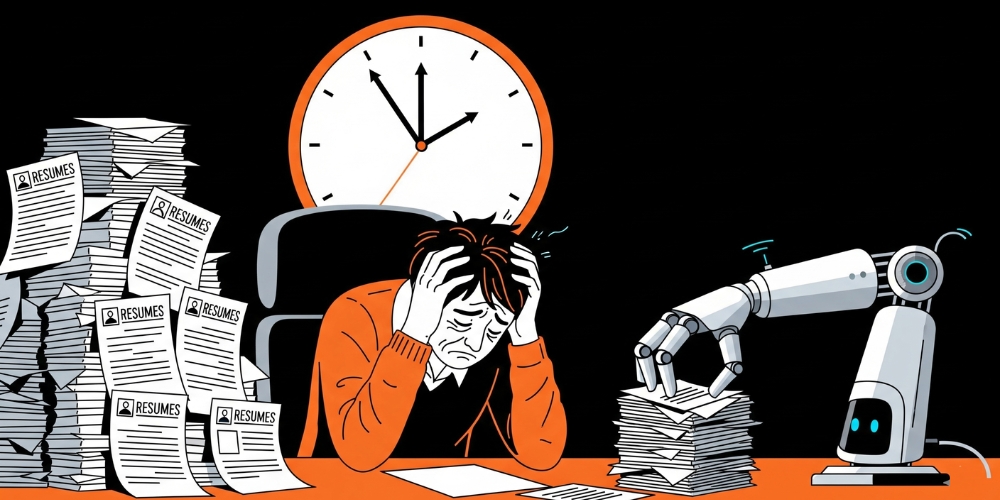
Three pressures driving urgency.
- Tight labour markets
- Rising candidate expectations
- Faster fill expectations than ever
AI promises faster screening, better matching, predictive workforce planning — but raises legitimate questions about fairness and bias. Adoption without oversight creates bigger problems than it solves.
What the Top Reports Say
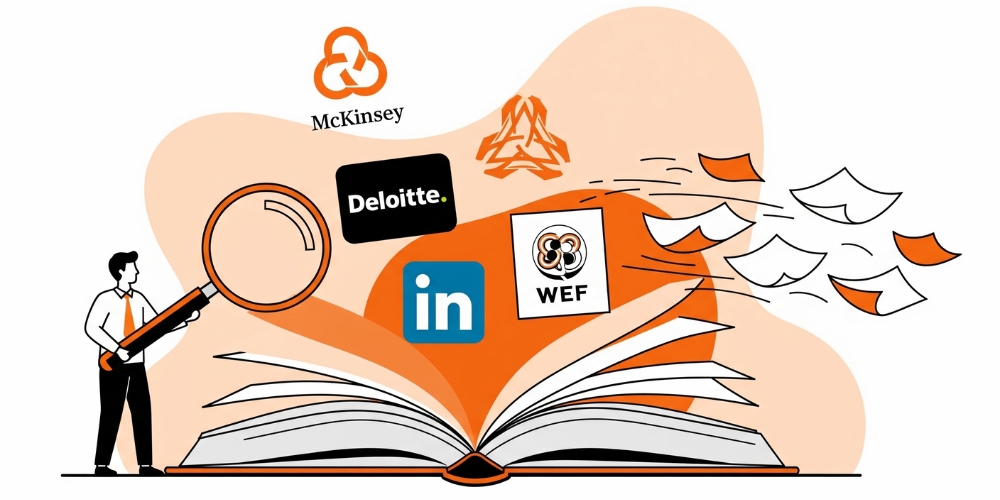
Ten reports, ten executive takeaways.
1. McKinsey – State of AI 2025
HR AI adoption rose 25% YoY; recruiting is the top function adopting automation.
Why it matters: executives quote McKinsey in board meetings. The 25% benchmark is what your CFO checks against.
2. Deloitte – Human Capital Trends
60% of leaders see AI as critical to personalised candidate experience.
Why it matters: AI shifts from back-end efficiency to front-end candidate-facing. The candidate journey is now the differentiator.
3. LinkedIn – Future of Recruiting
30% faster time-to-hire with AI.
Why it matters: LinkedIn is the data most recruiters trust. The 30% benchmark sets external expectations.
4. World Economic Forum – Future of Jobs
AI hiring tools to impact 40% of roles by 2030.
Why it matters: WEF shapes policy. Their predictions inform government regulation that will hit recruiting.
5. SHRM – AI and Hiring
Only 28% of companies have clear AI governance policies.
Why it matters: most recruiters are flying blind on governance. Documented best practice becomes a competitive differentiator.
6. Gartner – HR Technology Outlook
78% of HR leaders investing in AI recruiting, with bias auditing and explainability as top priorities.
Why it matters: Gartner defines vendor roadmaps. Buyers ask for explainability — tools without it lose deals.
7. OECD – AI and Skills
40% drop in degree-only job postings by 2030 projected as AI accelerates skills-based hiring.
Why it matters: stick with degree-first filters and you'll miss top talent. Sourcing and job ads must shift.
8. IBM – Global AI Adoption Index
42% of enterprises now deploy AI in HR; recruiting is the fastest-growing function.
Why it matters: AI in recruiting is mainstream, not experimental. Waiting another year means falling further behind.
9. PwC – AI and the Future of Work
74% of CEOs believe recruiter upskilling is essential to balance automation with human judgment.
Why it matters: upskilling is on the CEO agenda. Recruiter capability now matters as much as tech adoption.
10. Recruiting Brainfood – Pulse Survey
Sourcers using AI copilots process 3x more candidates per week — but face candidate trust and transparency challenges.
Why it matters: ground truth from the recruiter community. AI is multiplying output; transparency is the next bottleneck.
Common Themes
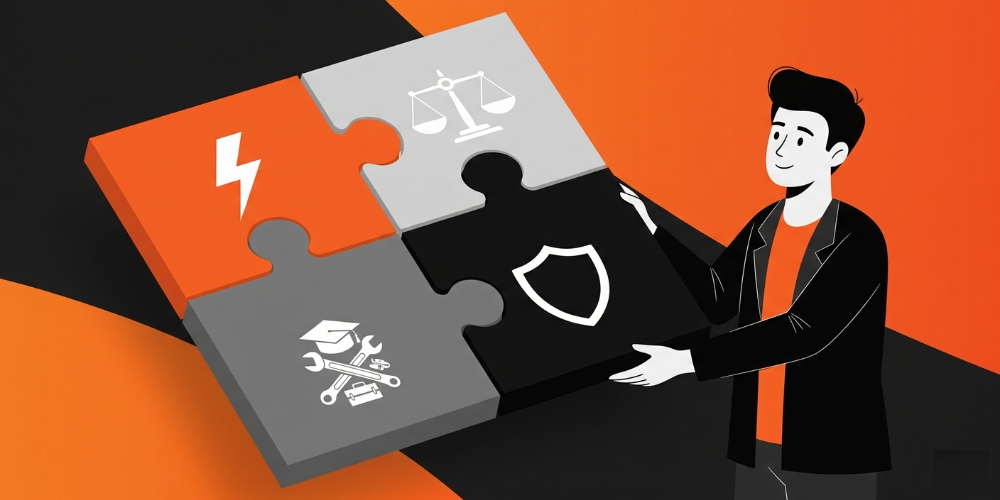
Four patterns surface repeatedly.
Efficiency is king
Automation cuts recruiter workload up to 50%.
Bias remains a concern
Without oversight, AI amplifies hiring discrimination.
Skills over degrees
AI tools accelerate skills-based hiring across industries.
Compliance catches up
EU AI Act and similar regulations reshape global hiring practices.
What This Means for Recruiters
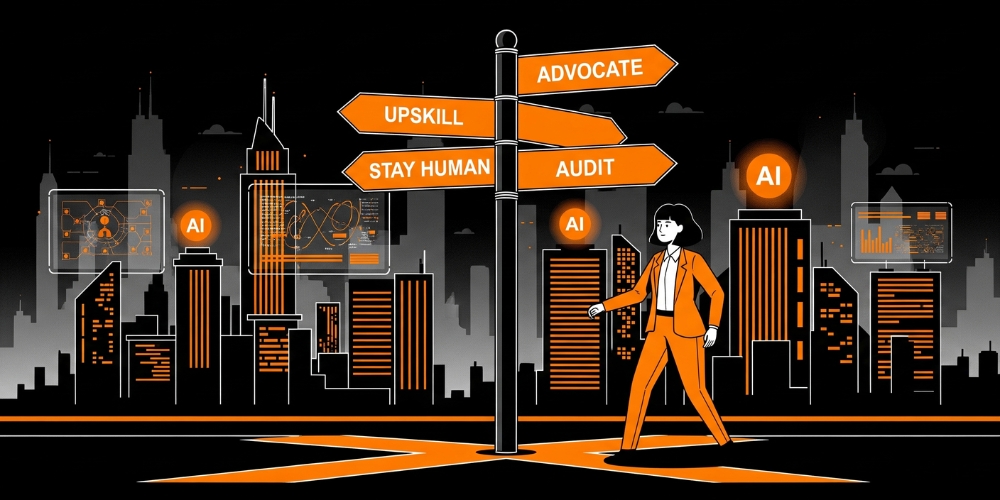
Four moves that future-proof recruiter careers.
Upskill fast
Learn how AI tools actually work — prompting, algorithms, data.
Stay human
Use AI for efficiency; keep people-first decision-making.
Audit your tools
Regular bias and compliance checks.
Advocate for policy
Be the voice ensuring AI adoption stays fair and ethical.
The Bottom Line
AI isn't here to replace recruiters — it's here to redefine the role. Recruiters mastering AI literacy spend less time screening resumes and more time building relationships with top talent. The reports agree on the trajectory; what differs is how fast each team adapts. Reading the signals and acting on them turns these reports from intel into competitive edge.
FAQs
What risks do AI tools create in hiring?
Unintentional bias amplification, emerging-regulation legal exposure, candidate privacy concerns when monitoring lapses.
Are small companies adopting AI in recruitment?
Yes. Affordable SaaS tools have brought AI to SMBs. Adoption accelerates across team size.
Will AI replace recruiters?
No. AI automates repetitive tasks; recruiters remain essential for judgment, relationship building, and culture fit.
What's the highest-leverage starting move?
Pick one task — scheduling, sourcing, or screening — and test an AI tool against it for two weeks. Document the result. That's your AI journey started.
Which report should I read first if I only have time for one?
The Gartner HR Technology Outlook. Combines adoption data with buying criteria, giving you both the "what" and the "how" to evaluate next.


