

Top 5 Skills Employers Actually Look For in 2026
Skills employers prioritise over credentials — communication, problem- solving, teamwork, adaptability, work ethic. How to demonstrate each clearly.
Ployo Team
Ployo Editorial
TL;DR
- 44% of workers need new skills by 2028 (WEF Future of Jobs).
- Employers screen for behaviour and adaptability over credentials.
- Top 5: communication, problem-solving, teamwork, adaptability, work ethic.
- Real stories with proof beat generic claims every time.
- Skills-based hiring is increasingly powered by AI assessment.
Today's job market doesn't reward degrees as heavily as it once did. Employers screen for how candidates communicate, solve problems, and handle change. This guide breaks down the top 5 skills that consistently win interviews, why each matters, and how to demonstrate them so hiring teams take notice.
Why Skills Matter More Than Ever
Per the World Economic Forum Future of Jobs 2023, nearly 44% of workers will need new skills by 2028 due to workplace shifts.
Employers respond by focusing less on static credentials and more on adaptable workplace strengths. Practical tests and skills assessments increasingly replace gut-feel hiring.
Good news for candidates: you don't need a perfect background. You need the right mix of skills, practice, and proof you can apply what you know.
What Employers Mean by "Skills"
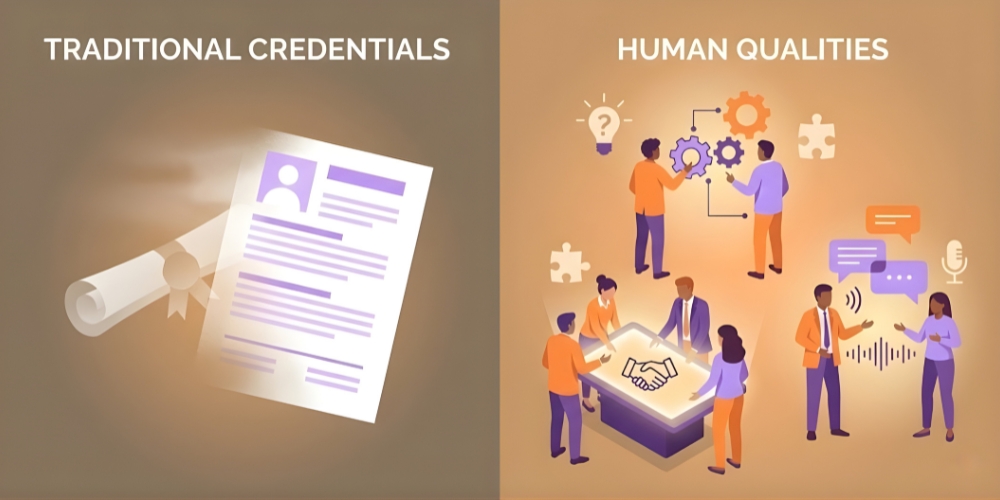
Behaviour and outcome, not buzzwords copied from job ads.
Hard + soft together
Hard skills get you started; soft skills help you finish well. Both required for the modern role.
Curiosity, responsibility, consistency
Traits employers screen for before experience. Show signals through stories, not adjectives.
Do the job today + grow into tomorrow
The structural ask. Hiring is forward-looking; candidates who show learning capacity win.
The Top 5 Skills
Five core skills that show up across roles and industries.
1. Communication skills
Clear communication builds trust. Employers want people who explain ideas, listen well, ask the right questions. Affects teamwork, leadership, customer experience.
Communication is the most visible skill in resumes and interviews — and the biggest differentiator in close calls.
2. Problem-solving
Work is full of small problems. Employers want people who notice issues, act, learn, improve. Not having all answers — just trying, observing, iterating.
Signals independent thinking and decision-making under pressure.
3. Teamwork and collaboration
Nobody works alone. Respect, contribution to shared goals, emotional awareness. Core part of modern professional credibility.
4. Adaptability and willingness to learn
Change is constant. Employers look for people who adjust without panic. Curiosity + resilience.
One of the most underrated resume skills — when explained with real examples.
5. Work ethic and accountability
Showing up, meeting deadlines, taking responsibility. Employers trust people who follow through. Directly connects to long-term growth and leadership trajectory.
Together these are what hiring teams compare when faced with similar candidates. Practice interviews, seek feedback, improve interview skills through deliberate work.
How Employers Evaluate
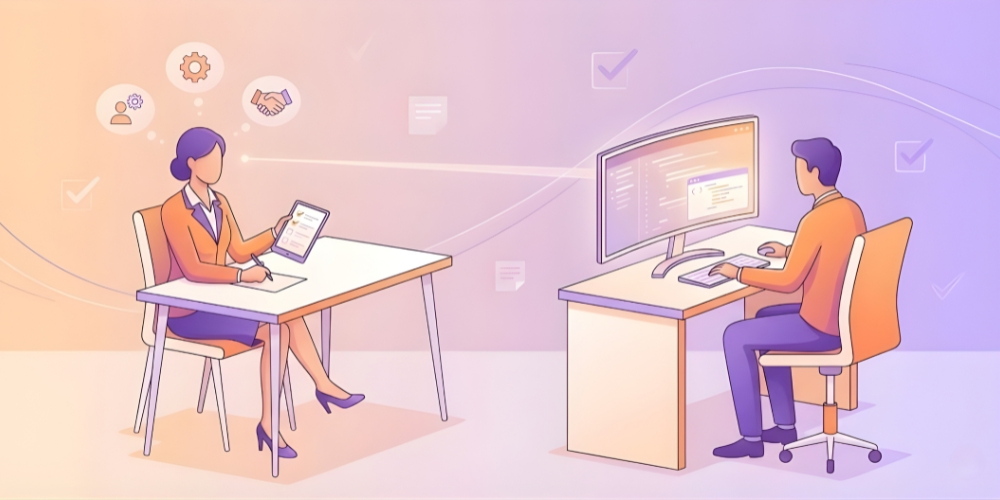
Three common evaluation methods.
Behavioural questions
"Tell me about a time when..." Past situations + what you actually did. Surfaces real communication, problem-solving, accountability.
Tasks and simulations
Short exercises revealing how candidates think under time pressure.
Structured scorecards
Same questions to every candidate, answers noted in real time. Reduces personal bias and first-impression weight.
Common Mistakes
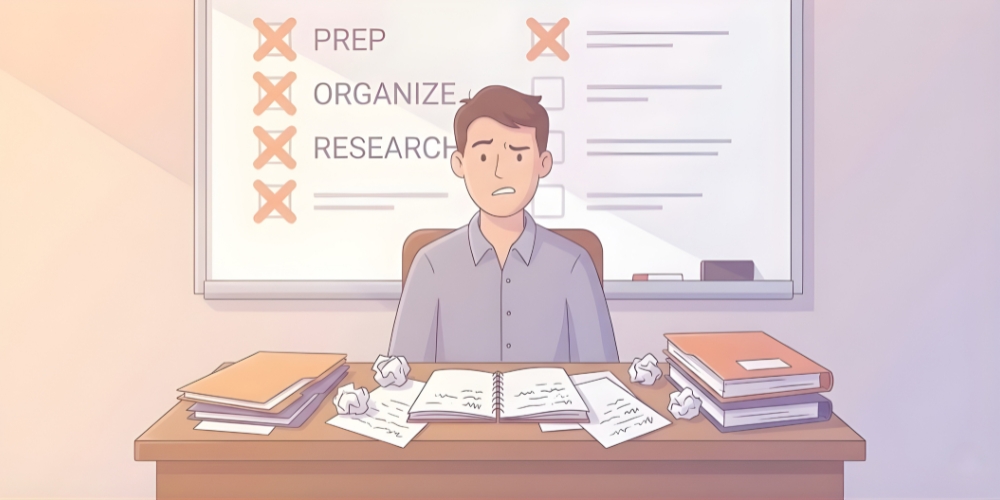
Four mistakes that quietly damage strong applications.
Listing skills without proof
"I work well with others" needs the situation, action, and outcome that proves it.
Over-focusing on technical ability
Communication, pressure response, and teamwork carry as much weight in most roles.
Under-preparing
Short or rushed answers feel uncertain. Think through real moments before interviews.
Copying phrases
Hiring teams hear identical wording across candidates. Personal experiences feel credible; templates don't.
How AI Helps Identify Skills Fairly
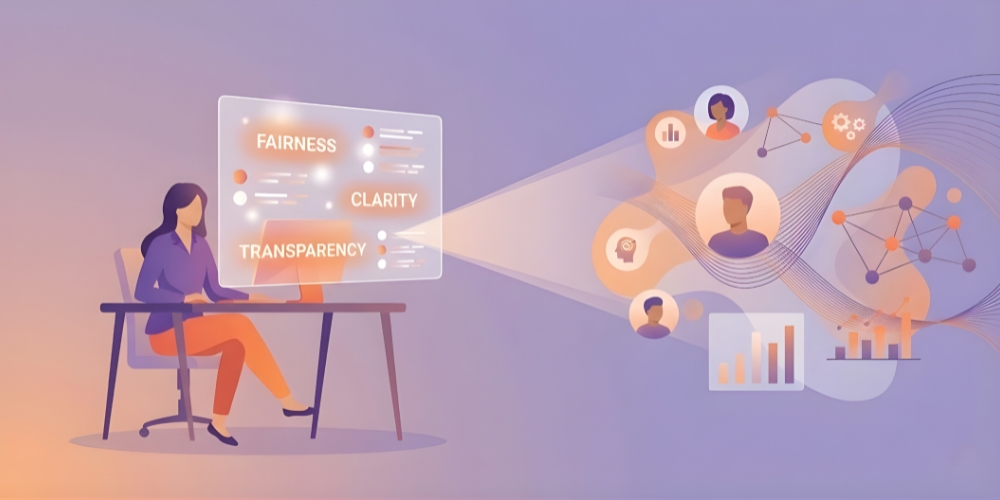
Modern tools focus on what people can do, not where they came from.
AI-assisted cognitive testing evaluates reasoning, focus, and learning patterns without seeing names or schools. Human review on top keeps decisions grounded.
This combination produces fairer outcomes for candidates across backgrounds and experience levels.
The Bottom Line
Job titles don't carry the same weight they used to. How someone communicates, adapts, and follows through matters more than what's on the resume. Strong candidates demonstrate real situations, practise deliberately, and keep learning. Skills compound; clear, honest demonstration of them makes the next step within reach.
FAQs
Are soft skills more important than hard skills?
Both matter. Hard skills get you started; soft skills decide longevity and growth. In most roles, soft skills are the differentiator on close calls.
How do employers test skills during interviews?
Behavioural questions about real situations, structured discussion of past work, short tasks revealing decision-making.
Can AI assess skills accurately?
Yes, when paired with human review. Tools surface patterns in actual work and performance; humans validate context and judgment.
Which skill is most underrated by candidates?
Adaptability. Most candidates claim it; few prove it with specific examples. The ones that do stand out instantly.
What's the highest-leverage prep move?
Prepare three real-situation stories — one for problem-solving, one for teamwork, one for handling change. Adapt them to whichever behavioural question comes up.


