

Phone Job Interview Prep: A Practical Step-by-Step Guide
Master phone interviews — common questions, environment setup, tone tips, closing strategy, and follow-up that consistently advances candidates.
Ployo Team
Ployo Editorial

TL;DR
- Phone interviews filter candidates fast — most rejections happen here.
- 22% of employers less likely to hire candidates who skip thank-you notes (CareerBuilder).
- 86% of companies conduct at least some interviews via video (Visual Planning).
- Tone, pacing, and word choice carry everything when there's no visual.
- Cheat sheet + quiet environment + smile = consistent edge.
Phone interviews are the first filter — no eye contact, no handshake, just voice. Strong candidates get rejected here because they prep less than for in-person rounds. This guide walks through how to prepare smart, what recruiters actually screen for, and the follow-up that keeps you in the running. Pair with broader interview dos and don'ts for the full toolkit.
Phone Interview Tips That Work

Eight practical practices.
1. Study common questions
Phone interviews favour straight-to-the-point questions: "Tell me about yourself", "Why this role?", "Strengths and weaknesses?" Prep concise answers — sharp beats rambling.
Build a cheat sheet: not a script, just bullet points covering key wins, top skills, why you want this role. Keeps you focused without sounding robotic.
2. Understand the recruiter's goal
Recruiters phone-screen for fit, not depth. Anticipate:
- "Walk me through your resume"
- "What interests you about this opportunity?"
- "When can you start?"
Clear, brief responses aligning your background to their needs. Tone enthusiastic but professional.
3. Practise with mock conversations
Record yourself answering practice questions, or run sessions with a friend. Hones pacing and tone — your only tools when voice is all the recruiter has.
4. Set up a distraction-free environment
Quiet room, strong signal, silenced notifications, household members forewarned. Background noise sabotages credibility fast.
5. Dress like it's in-person
Even though they can't see you. Sitting straighter, speaking with more purpose — the mindset shift is real. Pyjamas produce pyjama-quality answers.
6. Keep resume and notes visible
The hidden advantage of phone interviews. Resume, job description, cheat sheet — all in front of you. Reference naturally without sounding rehearsed.
7. Smile while talking
Smiling literally changes vocal warmth. Sounds friendlier and more confident — recruiters hear it even when they can't see you.
8. End with a strong closing question
Ask about company values, current priorities, or what success looks like in the role. Demonstrates research and intent. Last impression carries weight.
What to Do After
Four post-call actions that matter.
Send a thank-you within 24 hours
Short, personal, references something specific from the call. Per a CareerBuilder survey via PR Newswire, 22% of employers say they're less likely to hire candidates who don't send a thank-you.
Reflect on the call
Jot down questions asked and how you answered. Surfaces strengths and gaps before the next round.
Update your cheat sheet
Add new questions, new insights about the role or company, weaknesses to shore up.
Stay patient but proactive
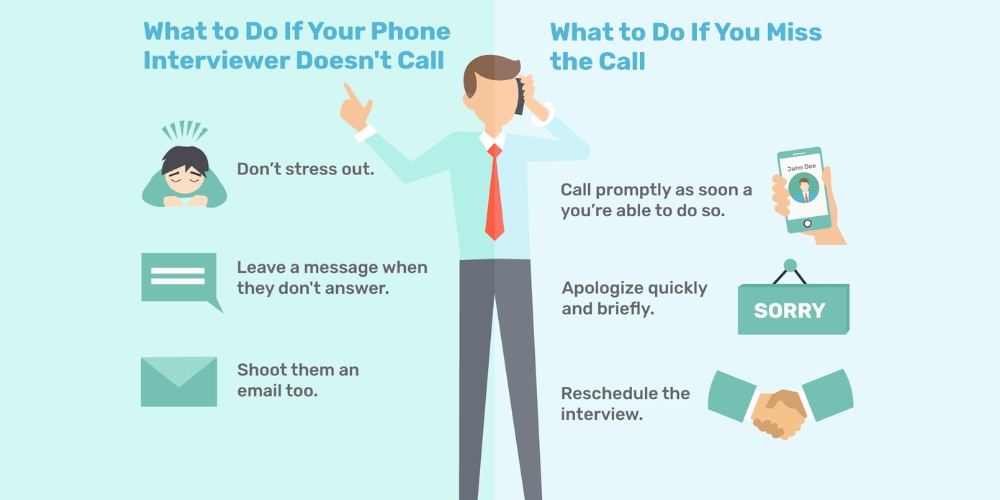
If silence past the agreed timeline, polite follow-up around the one-week mark is appropriate.
Phone vs Virtual Interviews

Important distinctions.
Phone interview
Voice-only. Tone, word choice, pacing carry everything.
Virtual interview
Video adds appearance, body language, eye contact, lighting. Per Visual Planning, 86% of companies conduct at least some interviews via video.
Both demand prep — but the skills to highlight and the way to deliver answers must match the medium.
The Bottom Line
Phone interviews are short, intense, and decisive. They filter more aggressively than later rounds because recruiters use them to thin the pool fast. Quiet environment, prepped answers, smile-while-talking, strong closing question, 24-hour thank-you. Each piece is small; together they consistently advance candidates past competitors who skip the prep.
FAQs
What's the #1 phone interview question?
"Can you tell me about yourself?" Prep a 60–90 second answer hitting your background, key strengths, and why this role.
How serious is a phone interview?
Very. Often the first screening step — up to 65% of candidates get filtered out here. Treat it like a real interview.
How long should phone interview answers be?
30–90 seconds. Long enough to demonstrate depth; short enough to keep the recruiter engaged.
What if I get nervous?
Practise out loud beforehand. The cheat sheet helps stop blanks; recording yourself reveals tics to clean up.
What's the highest-leverage prep move?
Write a one-page cheat sheet covering your top 3 stories, top 3 strengths, and one specific reason you want this role. Reference naturally during the call — no scrambling.
Keep reading


