

Talent Sourcing: The Recruiter's Complete Strategy Guide
Talent sourcing process, strategies, AI tools, and challenges — how recruiters build superior talent pipelines through proactive engagement.
Ployo Team
Ployo Editorial

TL;DR
- Talent sourcing = proactive candidate identification before roles open.
- AI sourcing tools cut sourcing time by up to 70% (MokaHR).
- 73% of seekers are passive candidates (WeCreateProblems).
- Strong sourcing combines data, AI, and human connection.
- Global + diverse sourcing builds resilient pipelines.
Recruiters today aren't struggling for applicants — they're drowning in them while missing the right ones. The bottleneck isn't quantity; it's finding qualified candidates fast enough. This guide explains what talent sourcing actually is, the step-by-step process, strategies that work, and how AI is reshaping the entire discipline.
What Talent Sourcing Is

The proactive process of finding, engaging, and nurturing potential candidates before a job opens. Studying data, skills, and trends rather than waiting for applications.
Think of it as building a long-term relationship engine. Unlike reactive hiring, sourcing focuses on real connections, not transactional outreach. Pairs naturally with talent pipeline automation to keep the flow predictable.
The Sourcing Process
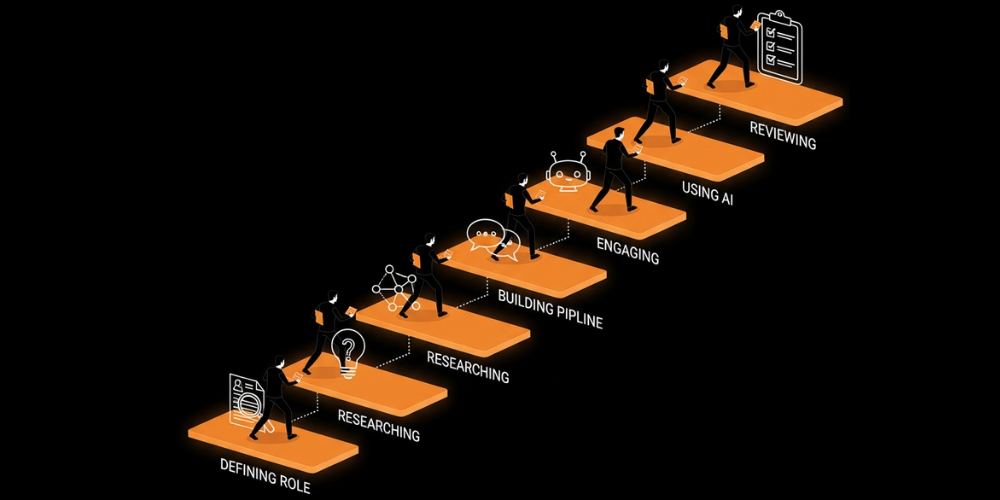
Six steps.
1. Define role + ideal candidate
Work with hiring managers on skills, attitude, growth potential — not just job titles.
2. Research the market
Analytics + salary benchmarks reveal where ideal talent exists. Global sourcing increasingly standard with remote work normalisation.
3. Build + segment pipelines
Categorise by skill, location, seniority. Early-stage sourcing means candidates are warm when roles open.
4. Engage + nurture
Personalised outreach. Share company stories, culture, growth opportunities. Turns contact lists into real talent sources.
5. Use AI + automation
Per MokaHR research, AI cuts sourcing time by up to 70% by analysing millions of profiles for matches.
6. Evaluate + refresh
Pipelines decay if ignored. Update candidate data, test new channels, refine consistently.
Strategies That Work

Seven practical approaches.
Mix AI with human judgment
AI shortlists; empathy converts. Balance automation with personalised follow-up.
Diversify channels
Niche communities, candidate-sourcing partners for hard-to-fill roles. Diverse sources produce diverse pools and stronger performance.
Automate smartly
Automation accelerates research and screening without losing the human touch where it matters.
Nurture passive candidates
Per WeCreateProblems data, 73% of seekers are passive — employed but open. Early connections compound into superior pipelines.
Use data + analytics
Track which channels convert, monitor quality, iterate. Data-driven recruiters consistently outperform on time-to-hire.
Collaborate with hiring managers
When recruiters and managers align, the talent acquisition process accelerates and quality climbs.
Think global, hire local
Remote-friendly setups expand pool size without sacrificing fit.
Common Challenges
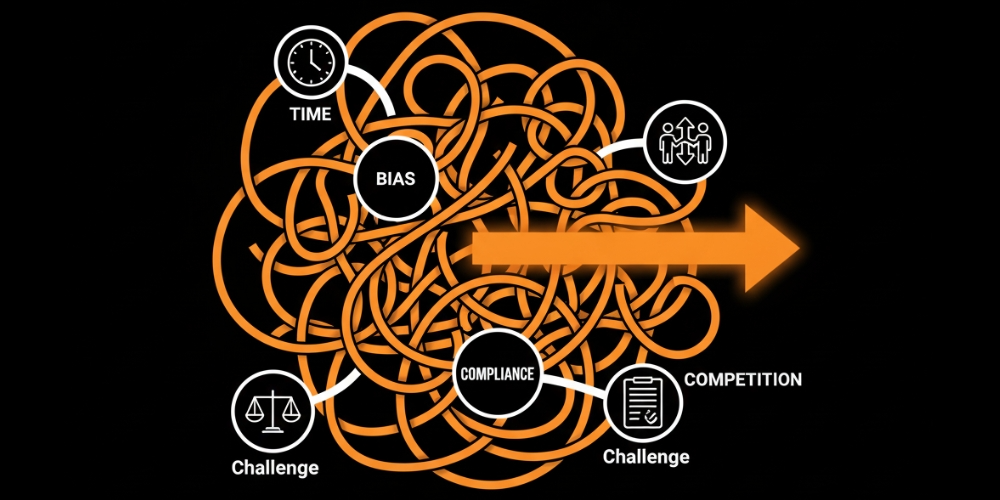
Four obstacles even strong recruiters face.
Overcrowded channels
Every recruiter chases the same candidates. Differentiation = personalised outreach, authentic company stories, consistent follow-through.
Bias in sourcing
Personal bias silently eliminates qualified candidates. Use diverse-talent practices + structured methods + AI that highlights skills over background.
Outdated tech
Spreadsheets and manual tools handicap recruiters. Automation platforms instantly search, rank, and categorise talent.
Global compliance
GDPR, regional labour law, data privacy. Partner with sourcing companies that know local regulations to avoid legal exposure.
The Recruiter's Role

The best sourcers are part marketer, part detective, part advisor.
They bridge company goals and candidate expectations, balance automation with empathy, and ensure every interaction feels human. Collaboration with hiring managers + data-led iteration + personal communication compound into reliable talent sources.
Future of Talent Sourcing

Four shifts shaping the next phase.
AI + predictive analytics
Next-gen sourcing anticipates hiring needs before they arise. Market trends, skill emergence, workforce shifts surface ahead of demand.
Borderless hiring
Remote work erases traditional boundaries. Recruiters now compete and source globally as default.
Automation + human synergy
Machines handle research and matching; humans focus on storytelling and relationship management.
Diversity and purpose
Future recruiters prioritise values alongside resumes. Diverse sourcing aligned with purpose drives brand credibility, retention, innovation.
Boosting Sourcing With Smart Tools

Modern AI sourcing platforms unify what used to be scattered across job boards, LinkedIn, and inboxes:
- AI scans thousands of profiles and ranks the best matches instantly
- Automated outreach + tracking keeps pipelines warm
- Passive candidate detection + auto-updates keep data fresh
- Iterative learning sharpens results across hires
From local to global sourcing, the right tools cut hiring cost and time while strengthening the relationships that matter most.
The Bottom Line
Strong sourcing separates teams that hire deliberately from teams that scramble. Combining AI precision with authentic human engagement builds a superior pipeline that fuels long-term success. As hiring becomes borderless and competition intensifies, the recruiters mastering sourcing today are the ones shaping the workforce of tomorrow.
FAQs
What's another word for talent sourcing?
Candidate sourcing or proactive recruitment. Some teams use "early-stage talent sourcing" or "pipeline development".
What are the ethics of sourcing?
Respect privacy, ensure data protection, avoid manipulation or discrimination. Verified public information only; prioritise sourcing diverse talent fairly.
How many types of sourcing exist?
Three main: internal (promotions, transfers), external (job boards, referrals, global), and hybrid combining both for broader reach.
What's the highest-leverage starting move?
Build one focused pipeline for your most strategic role. Even 50 well-nurtured prospects beat 500 cold contacts on every metric.
Where does AI fit best?
Profile scanning, matching, scheduling, automated outreach. Not in final assessment or relationship building — those stay human.
Keep reading


