

Talent Pipeline Automation: A Practical Playbook for Faster Hiring
Automating the talent pipeline cuts time-to-fill, lifts hire quality, and removes most of the repetitive work — the playbook, the tools, the trade-offs.
Ployo Team
Ployo Editorial

TL;DR
- A talent pipeline is a ready, pre-qualified pool of candidates — automating it removes most of the cold-start delay on every new role.
- Modern ATS + AI screening + chatbot engagement + self-serve scheduling cover roughly 80% of the manual recruiting work.
- Companies running automated pipelines typically hire 30-35% faster and lose noticeably fewer candidates to slow processes.
- Automation amplifies the recruiter — it does not replace the human conversation that lands the offer.
- Predictive hiring, immersive interview formats, and verified credentials are the next wave already starting to land.
The most expensive part of recruiting is the cold start: opening a role with no candidates in mind and rebuilding from scratch every time. A well-maintained, automated talent pipeline removes that cost. Candidates are sourced continuously, kept warm through automation, and ready when the role opens. This guide walks through what a talent pipeline actually is, the four levers that compose modern pipeline automation, and the trade-offs to think about before adopting it.
What a Talent Pipeline Really Is
A talent pipeline is the recruiting team's standing inventory of qualified candidates — people who have been sourced, engaged, and (often) pre-screened, available to consider when a relevant role opens. The contrast is with the alternative most teams default to: starting fresh every time, with a JD, a job board, and a hope.
The economics are unambiguous. Industry surveys from RTÉ report that around three-quarters of recruiters cite finding the right candidate as their single biggest challenge. A separate Morgan McKinley study reported in HR Magazine found that roughly 65% of employers globally have lost a preferred hire to a process that ran too long. The pipeline is the structural fix for both problems.
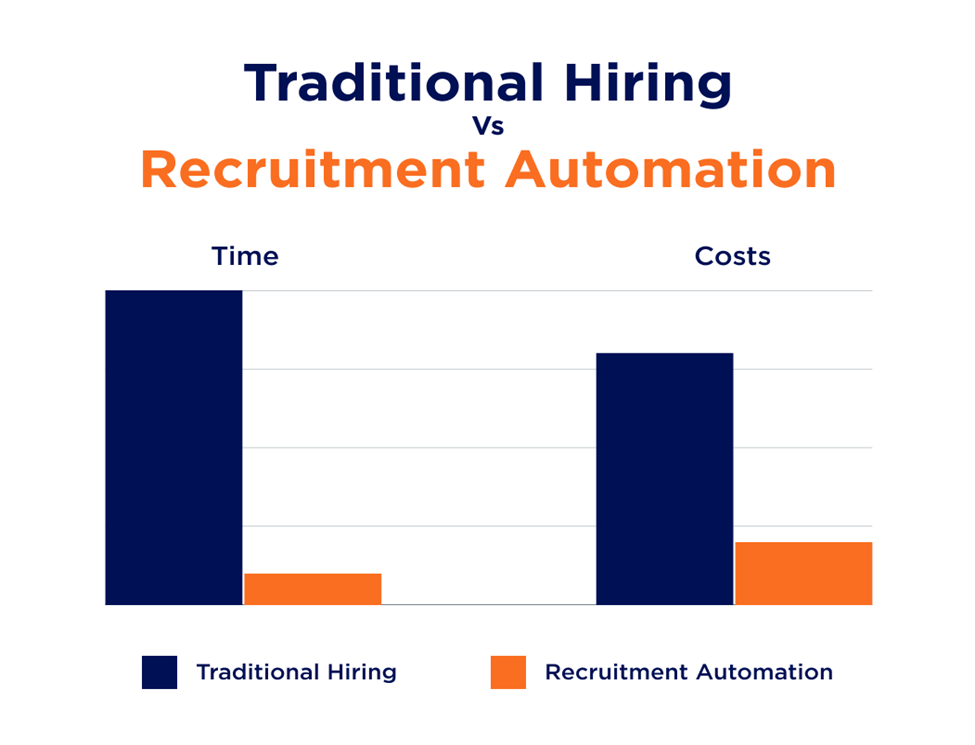
Companies that automate the pipeline see measurable wins: Eightfold AI's deployment cases showed roughly 35% reductions in time-to-fill on critical roles. The mechanism is simple — most of the work that used to happen after a role opens now happens continuously, in the background.
The Four Levers of Pipeline Automation
1. Modern ATS as the system of record
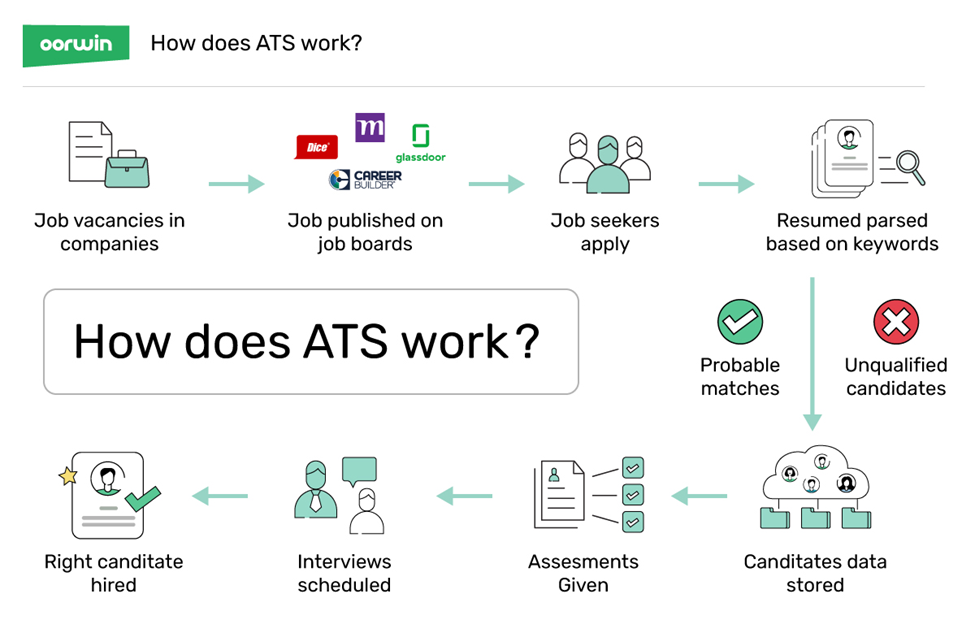
A capable applicant tracking system is the spine. It stores every candidate, every interaction, every assessment result. It ranks applicants automatically against the role's requirements. It integrates with job boards and social channels so sourcing flows in without manual transcription. The result is a single source of truth instead of seven scattered tabs.
2. AI screening that reads context
The big shift in the last few years is from keyword matching to context-aware AI screening. Modern tools parse resumes into structured data, compare candidate experience against role requirements, and surface the strongest matches first. They also ignore data they should ignore — protected characteristics, name, photo — which removes one of the structural sources of unconscious bias.
3. Automated candidate engagement
The largest source of dropped candidates is silence. Automated email sequences and AI chatbots keep candidates engaged at scale — answering common questions instantly, sending status updates, nudging at the right moments. Recruiters then spend their time on the conversations that actually need a human, not on inbox triage.
4. Self-serve interview scheduling
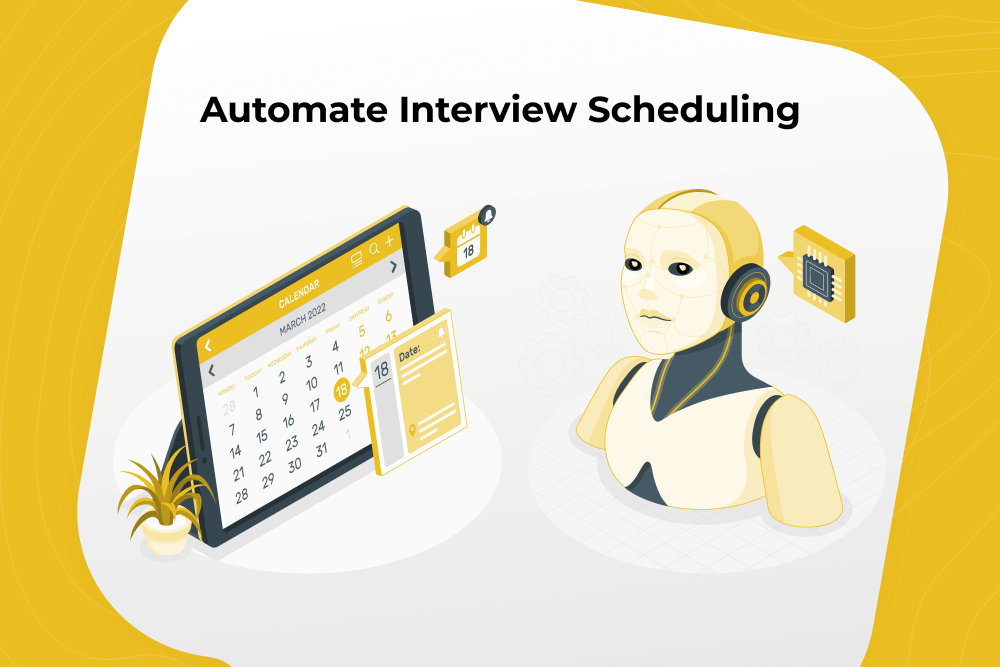
Schedule negotiation by email is one of the highest-friction parts of the funnel. Modern schedulers — Calendly, AI-driven schedulers integrated with the ATS — let candidates pick their own slot against the recruiter's real availability. Combined with automated reminders, this typically cuts no-show rates by roughly half.
Practices That Make the Automation Work
A few habits separate teams that get full value from automation from teams that adopt the tooling but keep their old habits.
Optimise for quality, not just speed
Automation makes hiring faster; that is not the same as making it better. Pair the automation with structured assessment so the candidates who advance are the ones who actually fit, not just the ones who applied first.
Keep the human conversation human
The first email can be automated. The second touchpoint should be a real recruiter reading a specific candidate's profile and responding to it. Candidates can feel the difference.
Keep the pipeline alive
A talent pipeline is only useful if it stays current. Refresh stale profiles quarterly, engage passive candidates regularly, and prune candidates who are no longer reachable. A neglected pipeline is worse than no pipeline because it produces false confidence.

Common Objections (And the Honest Answers)
- "Will AI replace recruiters?" No, but it will eliminate the parts of the recruiter's day that are pure admin. The job becomes more about judgement and relationship-building, less about scheduling and resume-sorting.
- "Doesn't automation introduce bias?" Done well, it reduces bias by applying a uniform rubric to every candidate. Done badly, it amplifies whatever bias was in the training data. Pick vendors who publish their bias-evaluation methodology.
- "Is the tooling too expensive?" Modern recruiting stacks typically cost a fraction of the recruiter time they save. The ROI is usually visible within the first quarter.
Where Pipeline Automation Is Heading Next
A few patterns are already starting to land in the next wave.
Predictive hiring
AI tools are starting to forecast which candidates are most likely to thrive in a specific role and stay long-term, based on patterns from past hires. The accuracy is improving fast; the responsible use is still being figured out.
Immersive interview formats
VR-based interviews and skill assessments are showing up in early-adopter companies for technical and operational roles. The format gives a richer signal than a one-hour video call, particularly for hands-on work.

Verified credentials
Blockchain and similar verification standards are slowly making it possible to confirm a candidate's education, employment history, and certifications without the manual reference-check loop. Resume fraud quietly becomes much harder.
The Bottom Line
Talent pipeline automation is not about replacing recruiters — it is about removing the cold-start cost from every new role. ATS as the spine, AI for screening, chatbots and automated emails for engagement, self-serve scheduling for friction, and a continuously-warm pipeline of pre-qualified candidates. Each layer is mature; together they compress time-to-fill, lift hire quality, and free the recruiter to focus on the conversations that actually decide who joins the company. The teams running this stack pull ahead measurably; the teams running last year's process keep wondering why hiring takes so long.
FAQs
What is the single biggest payoff of pipeline automation?
Time-to-fill compression. Companies running automated pipelines typically reduce time-to-fill by 30-35% on critical roles, mostly because the work that used to happen after a role opens now happens continuously beforehand.
Will automation degrade the candidate experience?
The opposite, when done well. The largest cause of poor candidate experience is silence — and that is exactly what automation fixes first. Candidates get faster responses, clearer status updates, and a smoother scheduling flow.
Is pipeline automation overkill for small teams?
It is not. A small team is exactly the team that cannot afford the recruiter hours that manual pipeline maintenance demands. Start with an ATS and one or two automation features (self-serve scheduling, automated email sequences) and grow from there.
Does AI screening introduce bias into the pipeline?
It can if the tool is poorly designed. Done well, AI screening reduces bias by applying a uniform rubric to every candidate. The discipline is to choose vendors who publish their bias evaluations and audit their outcomes regularly.
What is the most underrated piece of pipeline automation?
Engagement automation. Automated email sequences and chatbots keep silver-medal candidates warm between roles, which makes future hires faster and cheaper. Most teams underinvest in this piece because the payoff is delayed.


