

Highest-Paying Jobs in Japan 2026: Skills That Unlock Top Salaries
Highest-paying jobs in Japan — AI, cloud, cybersecurity, finance, executive leadership — and the skills + language combo that drives top-tier offers.
Ployo Team
Ployo Editorial

TL;DR
- AI/ML specialists in Japan: ~¥10M–¥15M annually.
- CISOs start ~¥26M, reaching ¥43M for experienced leaders.
- Bilingual professionals earn 20–47% more than monolingual peers.
- 2025 wage growth: 5%+ for first time in decades.
- Foreign-capital firms (Gaishikei) pay top executives ¥25M–¥72M.
Working in Japan as a foreigner is hard if you start at English teaching and stay there. The highest-paying roles sit in specialised technical, finance, and leadership domains — and the talent shortage is finally pushing wages up sharply. This guide breaks down what pays, what skills get you there, and how recruiters evaluate foreign candidates for top offers.
How Salary Structures Work
Two distinct systems exist.
Traditional Japanese firms
Seniority-led. Slow movement; predictable trajectory. Comp scales with tenure more than performance.
Gaishikei (foreign-capital firms)
Performance-based. Faster comp growth; bigger upside. Most top-paying roles for foreigners sit here.
Bonus structure
Total comp = 12 months base + two seasonal bonuses (June + December). Per Robert Half, a ¥9M base senior IT role often reaches ¥13M with bonuses.
Allowances
Per E-Housing analysis, housing, commuting, and family subsidies can add ¥100,000+ monthly value beyond base pay.
Gaishikei executive premium
Per Michael Page, foreign-firm executive packages run ¥25M–¥72M at companies like Google and Goldman Sachs.
Skills That Drive Top Pay

Four high-value domains.
Specialised tech (AI, cloud, cybersecurity)
Per Terratern data, AI/ML specialists earn ¥10M–¥15M annually on average. Cloud architects (AWS, Azure, GCP) command similar premiums as Japanese enterprises modernise. CISO roles start around ¥26M and climb to ¥43M for experienced leaders.
Finance and fintech
Quantitative analysts, CFA-level finance, risk and compliance specialists in Tokyo earn more than typical mid-level associates and VPs.
Executive and global leadership
Bilingual leaders who can bridge Tokyo and global HQ are increasingly scarce. Future-fit hiring skills — identifying adaptable talent — are particularly prized.
Advanced engineering
Robotics, semiconductors, R&D for Sony / Toyota / Honda. Foreign engineers with global experience are highly valued.
Why Language + Skill Beats Skill Alone

Some tech roles run fully in English; the top-paying ones don't.
An engineer working only in English may earn ~¥8M; the same person with JLPT N2 reaches ¥12M–¥14M because they can lead local teams and engage clients directly. Per Preply's bilingual research, bilingual professionals earn 20–47% more than monolingual peers.
The language premium is real and consistent across domains.
Skills vs Degrees

Both matter — for different reasons.
| Gate | What It Unlocks |
|---|---|
| Bachelor's degree | Work visa eligibility (mandatory) |
| Specialised certifications | Senior pay grades (AWS Professional, PMP, JLPT N1) |
| Portfolio + track record | Top 1% pay |
Translation: degrees get you in the door; certifications and portfolio determine what offer follows.
How Recruiters Evaluate Foreign Talent
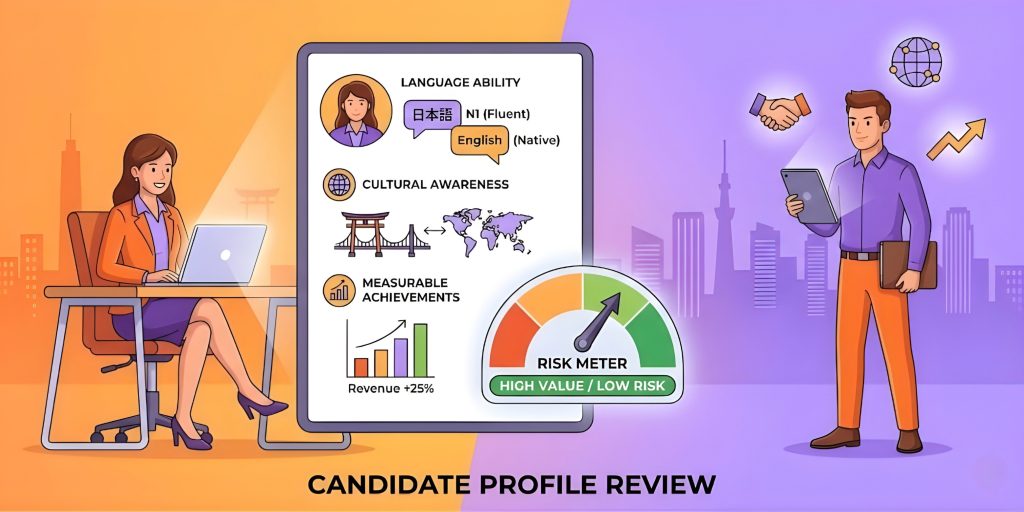
Three factors recruiters weigh heavily.
Cultural alignment
Understanding Keigo (polite Japanese), business etiquette, and team dynamics signals you're a low-risk hire. Pairs with structured recruitment methods most firms use.
Quantifiable results
"Managed ¥50M budget; lifted team efficiency 25%" beats "hard worker" every time.
Interview presence
Master interview dos and don'ts — punctuality, proper bow, listening before pitching. Especially decisive at executive levels.
The Bottom Line
Landing top-tier salaries in Japan combines technical mastery, language proficiency, and cultural intelligence. Moving from popular but capped roles (English teaching, hospitality) into high-shortage domains (AI, finance, executive leadership) is the structural move. If you're in tech: earn one major cloud certification this year. If you're in management: invest 5 hours/week in JLPT. The doors are open — you need the right keys.
FAQs
What are the most popular foreign-worker jobs in Japan?
English teaching, hospitality, IT support. Popular but rarely top-paying — useful entry points but not destinations for top earners.
Is Japanese language required for high salaries?
Not strictly, but it's the most reliable lever for pay growth. Most roles paying ¥10M+ require at least JLPT N2 for internal meetings.
Can foreigners genuinely earn six figures (USD) in Japan?
Absolutely. Investment banking, AI engineering, and country management roles regularly clear ¥15M (~$100K USD) for international hires with the right skill stack.
Which sector pays best right now?
Specialised tech (AI, cloud, cybersecurity) leads, with finance and executive leadership close behind. All three benefit from acute talent shortage right now.
What's the highest-leverage starting move?
Pick one major certification this year — AWS, PMP, JLPT N2 — and commit. Foreign candidates with proof points beyond degrees consistently command bigger offers than those without.
Keep reading

Working in Japan as an American: The Recruiter's Reality Check

Salary vs Hourly Pay: Which Compensation Model Wins in 2026?
