

Sales Talent Predictors vs Traditional Hiring: What Actually Works
Sales talent predictors outperform resume-and-gut-feel hiring on accuracy, speed, and bias reduction. Where each still matters and how to combine them.
Ployo Team
Ployo Editorial

TL;DR
- Bad sales hires cost ~30% of first-year earnings (Business.com).
- Sales turnover sits near 35% across many companies — most of it traceable to weak hiring signals.
- Talent predictors measure behaviour and cognition, not just resume credentials.
- Companies using pre-hire tests are 36% more satisfied with their hires (Aberdeen).
- The win formula: predictor handles vetting; human interview validates fit.
Sales hiring is one of the hardest calls a manager makes — and the most expensive when it goes wrong. This guide explains what a sales talent predictor is, how it beats traditional hiring, where human interviews still matter, and how to combine them for materially better outcomes.
What a Sales Talent Predictor Is
A tool that measures how well a candidate is likely to perform in a sales role — before any interview happens. Goes beyond personality tests by analysing behavioural traits, cognitive abilities, and past performance data.
These tools surface signals that resumes miss: grit, resilience, coachability, critical thinking. Increasingly the gold standard for narrowing pools to the strongest candidates worth interviewing.
Predictor vs Traditional Hiring
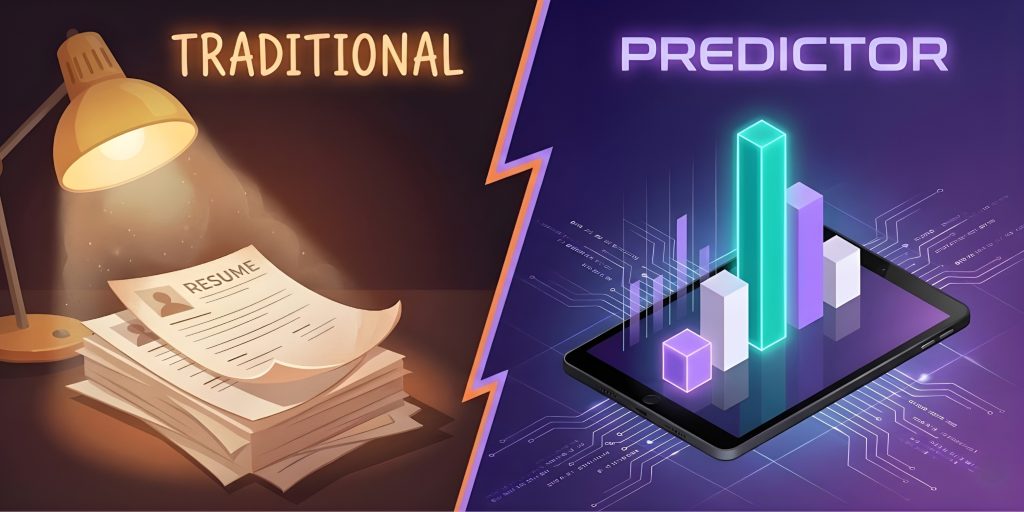
Side-by-side comparison.
| Feature | Traditional Methods | Talent Predictor |
|---|---|---|
| Primary metric | Resume + experience | Behavioural DNA + potential |
| Bias level | High (subjective) | Low (data-driven) |
| Time-to-hire | Long (manual screening) | Fast (automated scoring) |
| Predictive power | Low (varies by interviewer) | High (historical success patterns) |
| Cost of mistakes | ~30% of first-year earnings | Significantly reduced |
Per Business.com, the cost of a wrong sales hire reaches ~30% of first-year earnings when recruitment, training, and lost productivity factor in. Predictors materially cut that exposure. They also resolve common HR data analytics challenges that prevent companies from seeing their full candidate picture.
How Predictors Work
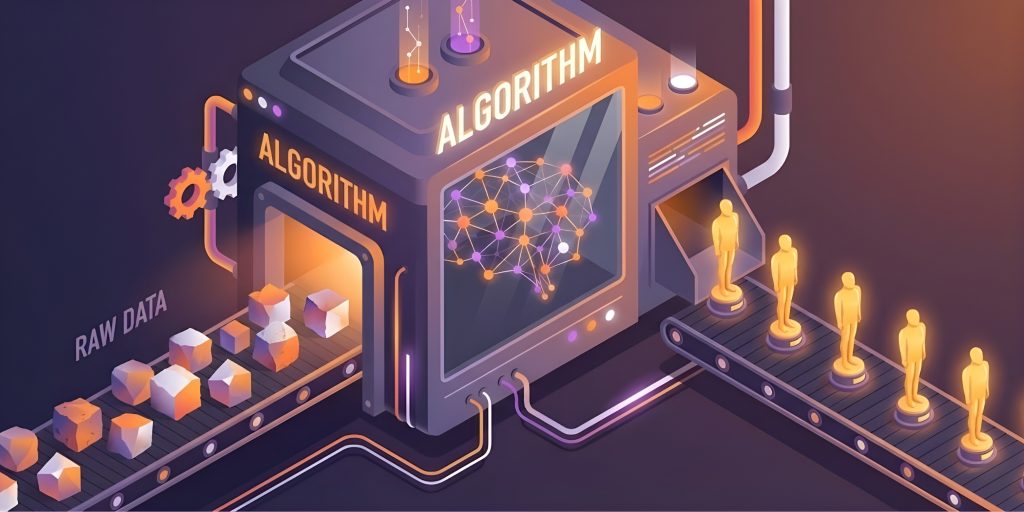
Three stages.
1. Benchmark top performers
Build a profile of what makes your best sellers different — combination of cognitive patterns, behavioural traits, communication style.
2. Score incoming candidates against the profile
AI compares candidate assessments to your "success blueprint" in real time.
3. Surface the top tier
Per real-time hiring analytics, managers see a per-candidate score and focus interview time on the top 10%.
This shift from guessing to knowing is what makes modern sales recruiting scalable without quality drop.
Benefits
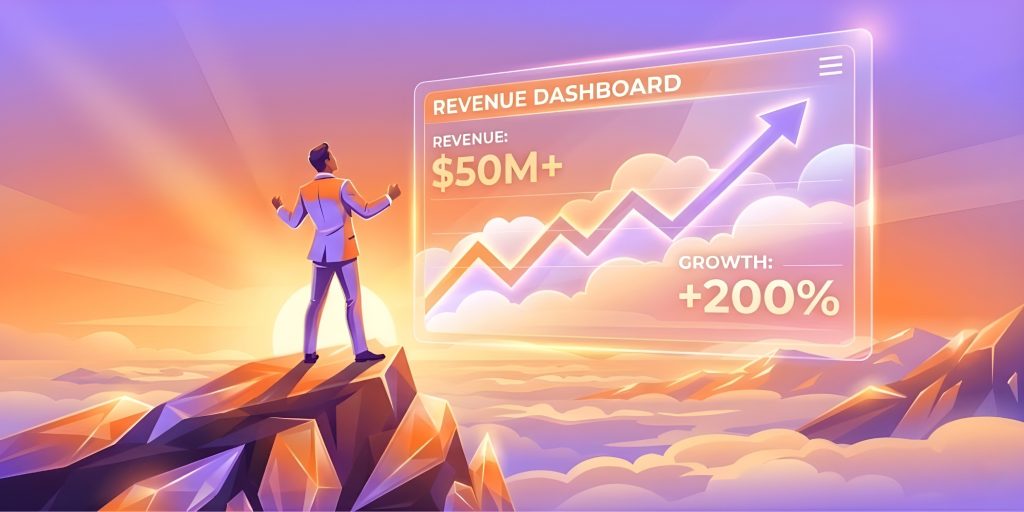
Four concrete advantages.
Higher hiring accuracy
Clear cognitive + behavioural picture means candidates land in roles where they're most likely to thrive — high-velocity inside sales vs enterprise accounts.
Lower turnover
Better-fit hires stay longer. Reduces the constant churn that drives sales hiring costs sky-high.
Equitable evaluation
Skills focus over school + connections. Surfaces strong candidates who wouldn't stand out on paper.
Faster ramp time
Better fit means new hires reach quota faster, lowering ramp costs.
When Traditional Methods Still Matter

The human element doesn't disappear — it shifts.
Predictors identify whether someone can do the job; interviews determine whether they want to do it at your company. The interview becomes the validation step for cultural fit, motivation, and team chemistry — not the primary selection tool.
This frees managers from vetting hundreds of mismatched candidates to focus on building relationships with the top tier.
Common Sales Hiring Mistakes

Five traps that traditional hiring keeps falling into.
Over-weighting industry experience
"They sold for a competitor — they'll do well here" often misses. How someone thinks and behaves matters more than where they last worked.
Hiring in your own image
Without objective data, interviewers gravitate to candidates who share their style. Produces teams with shared blind spots.
Charisma over substance
Strong talkers; weak pipelines. Charm doesn't predict quota attainment.
Industry bias over adaptability
Skipping fast-learners outside your sector costs you adaptable performers.
Speed-to-fill over quality
Rushing produces regret. Quick hires often become slow exits.
How AI Improves Outcomes

Three concrete contributions.
Pattern detection
AI spots correlations humans miss — e.g., that top AEs at your company score higher on critical thinking than on extroversion.
Measurable satisfaction lift
Per Aberdeen research, companies using pre-hire tests report 36% higher satisfaction with new hires.
Scalable quality
Repeatable scoring lets teams hire dozens or hundreds without sacrificing per-hire quality.
The Bottom Line
Sales hiring built only on resumes and gut feel is structurally expensive — 35% turnover and 30%-of-earnings replacement costs prove it. Sales talent predictors don't replace human judgment; they make it much more accurate by handling vetting and freeing managers to focus on motivation and culture fit. The teams using both win meaningfully more quota.
FAQs
Do sales talent predictors really work?
Yes. They measure thinking and behaviour patterns that connect to real sales outcomes — consistently outperforming resume-only screening.
Can AI predict sales performance?
Yes. AI compares candidate assessments to past performance patterns, surfacing strong-fit candidates before interviews start.
Are sales interviews still necessary?
Yes. Predictors show capability; interviews still validate motivation, values, and human chemistry.
How accurate are predictive models?
No model is perfect, but organisations using them often see double-digit increases in quota attainment across their sales team.
What's the highest-leverage starting move?
Benchmark your current top performers against an assessment tool, then score next batch of candidates against that profile. Even one cycle of comparison data shifts how you hire.


