

Product Management Interviews: A Practical Prep Guide
Land the PM interview with structured prep — what each round tests, common questions with strong answers, formats explained, and mistakes to avoid.
Ployo Team
Ployo Editorial
TL;DR
- Only ~3% of applicants get interviewed; ~27% of interviewees receive offers (CareerPlug).
- 72% of organisations now use structured interviews (SelectSoftwareReviews).
- Typical rounds: recruiter screen → product sense → case study → analytical → final loop.
- Lead with users and outcomes — not features.
- Case study prompts test how you think; structure beats clever answers.
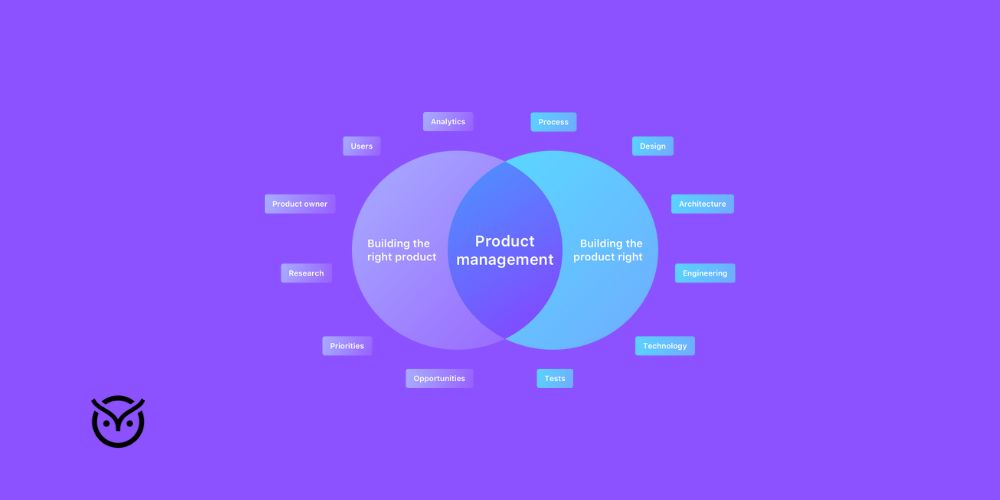
PM interviews reward structured thinking, user empathy, and clear communication — not raw resume credentials. The candidates who land offers prepare deliberately across formats: product sense, behavioural, case study, sometimes analytical. This guide walks through what to expect and how to prepare.
What to Expect
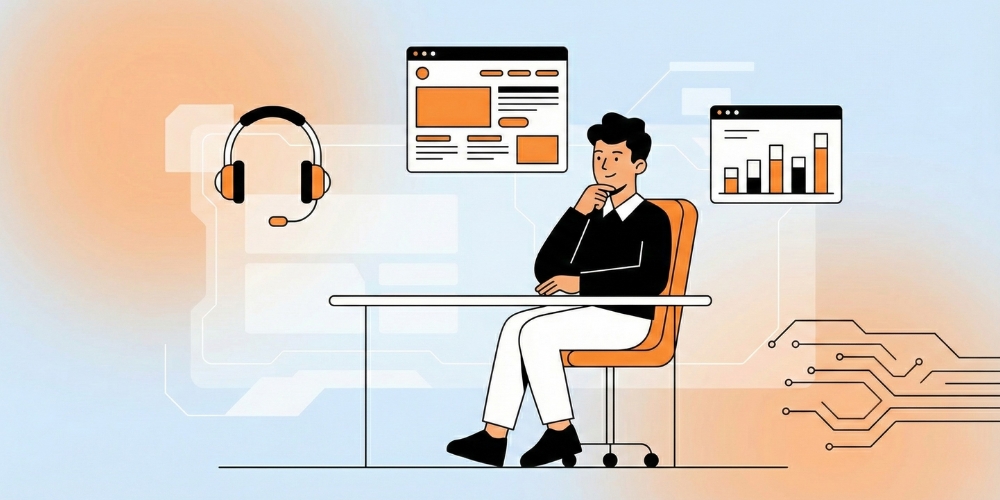
Five typical stages.
1. Resume screen
Recruiter or ATS checks basic fit. Clear, role-aligned resumes pass.
2. Screening interview
Phone/video to evaluate basics — why this role, what you know about product management, relevant past work.
3. Deep product round
Product questions, behavioural questions, case study or product-sense exercise.
4. Technical/analytical round
For technical PM roles, tests data reasoning, metrics, trade-offs.
5. Final loop
Multiple interviews in one session — often with cross-functional stakeholders for senior roles.
Competition is real. CareerPlug data shows only ~3% of applicants get interviews; ~27% of those receive offers. Preparation across all rounds is essential.
Common Questions With Strong Answers
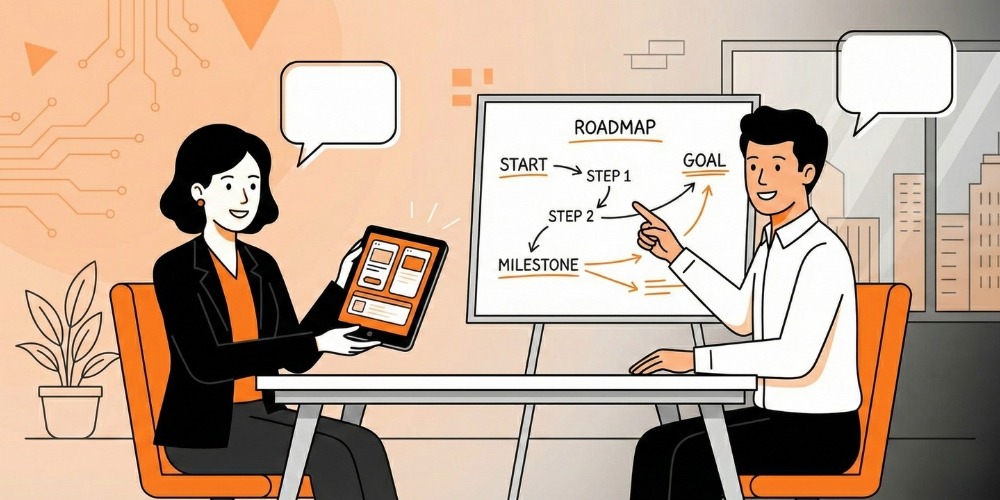
Four questions you'll likely face.
"What does a Product Manager do?"
"A PM works at the intersection of business, technology, and users. The role involves defining product vision, coordinating with design and engineering, prioritising features, and ensuring the product solves real user problems while delivering business value. Day-to-day, that includes roadmap planning, user research, and data-driven decisions."
"Suggest a new feature for our product."
Don't jump to ideas. Start with clarifying questions about users and the problem. Then propose, explain value, and define success metrics (engagement, retention, revenue).
"Tell me about a time you made a data-driven decision."
Use structure: situation → data analysed → decision → outcome. Interviewers want to see how you balance intuition with evidence and communicate clearly.
"How would you improve an existing product?"
Identify user pain points, propose improvements, prioritise by impact, define metrics to track. Shows end-to-end thinking: users, design, business goals.
PM Interview Formats
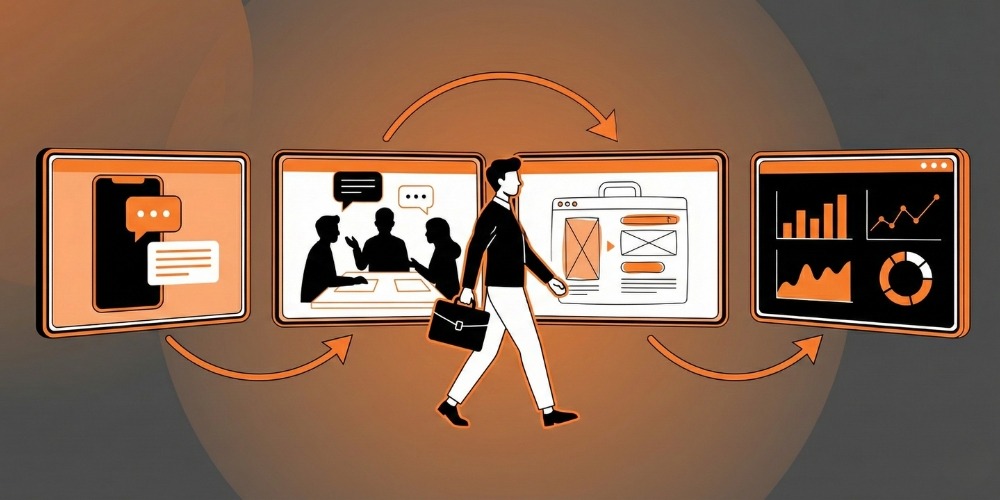
SelectSoftwareReviews data shows 72% of organisations use structured interviews. Common formats:
Phone/recruiter screen
Basic fit, motivations, background check. Treat like a real interview — see pre-screening process for context.
One-on-one or panel
Behavioural, product, light analytical. Assesses articulation, collaboration, thinking.
Case study / product-sense
The format where many candidates struggle. Prompts like "design a feature" or "improve product X." Walk through problem definition, users, solution, trade-offs, success metrics. Some are take-home; some on-the-spot.
Technical/analytical
For technical PM roles. Metrics reasoning, funnel analysis, data trade-offs.
Full interview loop
Senior or competitive roles run 4–6 rounds covering behavioural, product sense, case study, analytical. Each interviewer probes different competencies.
How to Prepare
Eight habits that consistently produce strong candidates.
Study product sense
Learn to define user problems, propose solutions, measure success. Practise on apps you use daily.
Build business thinking
Understand market needs, business goals, competition. PMs need value framing beyond features.
Refresh analytics
Comfort with metrics: retention, funnel drop-offs, activation. Not data science depth — practical interpretation.
Practise behavioural stories out loud
Use STAR structure. Pick examples that show leadership and user-empathy clearly.
Daily 30-minute study routine
PM interview questions, design prompts, case studies. Consistency beats cramming.
Mock interviews
Practice with a friend, use coaching services, or take a structured PM course for feedback.
Senior-role focus if applicable
Senior PM questions emphasise stakeholder alignment, strategy, influence without authority.
AI PM prep
If targeting AI/ML PM roles, prep for AI-specific product questions — responsible deployment, evaluation, user impact.
Common Mistakes
Seven patterns that consistently weaken candidates.
Rambling instead of clarifying
Always ask clarifying questions before solving a case. Shows structure and confidence.
Feature-first thinking
Interviewers want the why before the what. Lead with user pain; features follow.
Weak collaboration stories
Hiring teams probe empathy, clarity under pressure, cross-functional partnership. Stories should reveal these.
Ignoring users
Every idea connects back to real people and real problems. Otherwise it sounds disconnected.
Missing cross-functional context
Designers, engineers, sales, marketing — all part of how you actually ship.
No outcome metrics
Always tie decisions back to success metrics. Otherwise the case feels academic.
Underestimating early rounds
Screening interview questions matter as much as final-round panels. Treat every round seriously.
The Bottom Line
PM interviews don't reward credentials — they reward structured thinking, user obsession, and clear communication. The candidates who land offers practise across all formats, lead with users, anchor with data, and stay calm under case-study pressure. Build the routine, run mocks, refine your STAR stories, and treat every round like the final round. The compound effect of disciplined prep across an interview loop is what separates "almost" from "offer."
FAQs
How do I prepare for a PM case study?
Break the prompt into steps: understand users, define goals, propose solutions, compare trade-offs, set metrics. Practise with example prompts; always anchor back to user value.
What skills do recruiters look for?
Product thinking, user empathy, data fluency, communication, teamwork, prioritisation. Someone who turns ideas into real improvements while collaborating well.
How does AI help assess PM candidates?
AI assists with screening, scoring consistency, and pattern recognition in early rounds. Final decisions stay human; AI organises the funnel.
How long is the typical PM interview process?
4–8 weeks for most roles. Senior PM loops can run 6–12 weeks with multiple stages and stakeholder rounds.
What's the single highest-leverage prep step?
Run two full case-study mock interviews with feedback. Most PM interview failures happen in the case study; structured practice closes the gap faster than any other prep.
Keep reading


