

Job Interview Etiquette: 16 Moves That Quietly Decide Outcomes
Job interview etiquette is the unspoken layer that decides hiring outcomes — sixteen specific moves before, during, and after the interview.
Ployo Team
Ployo Editorial
TL;DR
- Interview etiquette is what separates technically qualified candidates from the ones who actually get offers.
- It splits into three stages: before (preparation), during (presence), and after (follow-through).
- The biggest single move: a same-day thank-you note. Almost no one sends one; almost every hiring manager notices.
- Body language, listening, and concise answers carry more weight than most candidates realise.
- The point is not perfection — it is showing up as someone the team would actually want to work with.
You can have the right resume, the right skills, and still lose the offer to someone who handled the interview better. Interview etiquette is the layer below the answers — how you show up, how you treat the receptionist, whether you wrote a thank-you note, whether you remembered your interviewer's name. It is invisible until you skip it, and then it is the entire reason you did not get the call back. This guide walks through the sixteen specific moves that separate strong candidates from forgettable ones, broken out by what happens before, during, and after the interview. Pair this with our interview dos and don'ts for the wider playbook.
What Interview Etiquette Actually Means
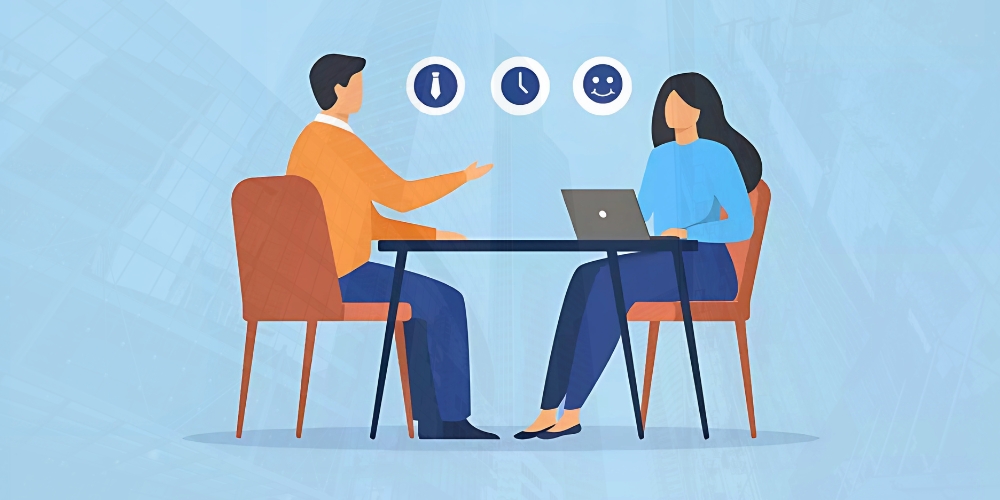
Etiquette is the unspoken question every hiring manager is silently answering during the interview: would I want to work with this person every day? The answer is built from small signals — whether you arrived on time, whether you treated the receptionist as a person, how you listened, whether you sent the thank-you note, and a dozen others. Companies are not hiring a skill set in isolation; they are hiring someone who will be part of the team's day-to-day. Etiquette is how candidates demonstrate they understand that.
16 Moves That Land Etiquette Correctly
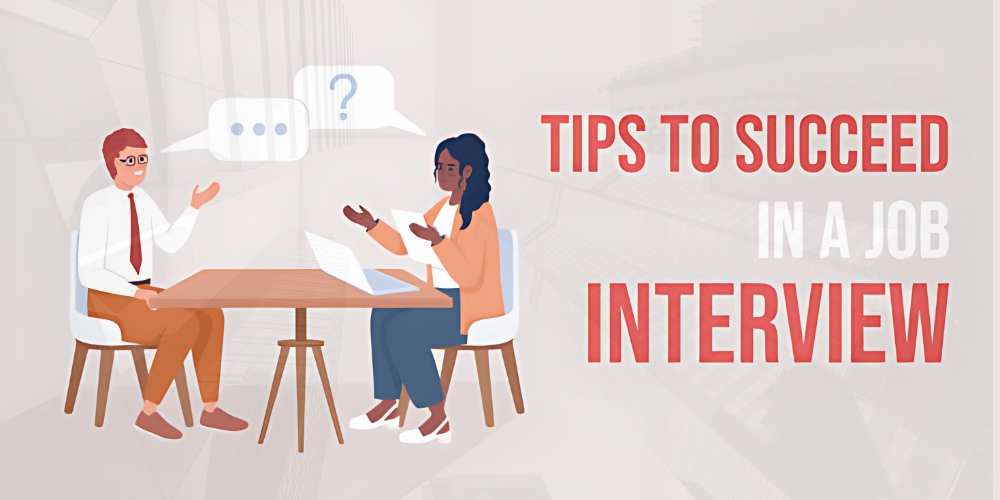
Here is how to actually show up at every stage of the interview.
Before the Interview
1. Research the company specifically. Read the careers page, the most recent press release, and the founder's last LinkedIn post. Five minutes of context shows up as "this person actually cared enough to look." Generic candidates lose to specific ones every time.
2. Confirm the interview format. Virtual, phone, panel, in-person, take-home task? Knowing the format ahead of time prevents the panicked "wait, am I supposed to be in person?" moment.
3. Re-read the job description the morning of the interview. Skim the responsibilities. Map them to your real experience. The first specific overlap you cite earns immediate credibility.
4. Practise common questions out loud. "Walk me through your background", "why this role", "tell me about a time you handled conflict". Practising out loud — not just thinking through it — surfaces the spots where your answer is less polished than you thought.
5. Dress for the company's culture, slightly above their default. When in doubt, formal. Remote interviews still require dressing fully — including the bottom half. The number of stories about candidates standing up at the wrong moment is not small.
6. Test your tech setup if it is virtual. Camera angle, mic quality, lighting, background. Five minutes of pre-flight check saves the disaster of a 20-minute "can you hear me now" opening.
7. Arrive 10-15 minutes early — not earlier. Earlier than 15 minutes ahead and the interviewer feels rushed. Later than five minutes ahead and you are stressed. Our guide on interview arrival timing covers the math in detail.
8. Bring the right materials. Printed resume, a notebook, a pen, a printed copy of the job description with notes. For virtual: same content in a tab you can refer to discreetly. Both signal preparation.
During the Interview
9. Open warmly and professionally. Smile, use the interviewer's name, hold eye contact for a beat. The first 30 seconds set the emotional register for the rest of the conversation. Get them right and the interview itself feels easier.
10. Watch your body language. Sit up. Avoid fidgeting. Lean slightly forward when listening. Hands visible, gestures controlled. None of these are dramatic moves; together they project competence and presence.
11. Listen more than you talk. Let the interviewer finish each question fully. Pause briefly before answering — it is not awkward; it signals you actually thought about the question. If you are unsure what they meant, ask for clarification.
12. Be honest, especially about gaps. If you do not know something, say so, then describe how you would learn it. Candidates who fake confidence are detected almost immediately; candidates who name a gap and show learning agility build trust fast.
13. Ask thoughtful questions. "How do you measure success in this role at 90 days?" Beats "what's your culture like?" by a wide margin. Ask one or two questions that prove you have thought specifically about this role. Avoid asking about salary or vacation in a first round.
14. Keep your answers tight. Two minutes is usually plenty. The most common interview failure is rambling — long answers that bury the strongest point. Practise giving sharp, structured versions of your strongest stories.
After the Interview
15. Send a thank-you note within 24 hours. Short, specific, and genuine. Reference one moment from the conversation — "your point about the team's experimentation cadence resonated" — and reaffirm your interest. Three in four candidates skip this; the ones who send it are remembered.
16. Reflect, take notes, and adjust. Within a few hours: what landed well, what wandered, what you wish you had said. Whatever the outcome, the patterns are gold for your next interview.
The Bottom Line
Interview etiquette is the difference between a candidate the hiring manager remembers and a candidate they kind-of remember. None of these moves are difficult; together they signal that you take the role seriously and treat the people across the table as people. The candidate who shows up prepared, listens carefully, asks thoughtful questions, and sends a real thank-you note within 24 hours is the candidate who closes offers most other people leave on the table. None of this is about being perfect — it is about being someone the team would clearly want to work with.
FAQs
How early should I arrive for an interview?
Aim for 10-15 minutes before the scheduled start time, no earlier. For virtual interviews, log in 2-5 minutes early. Earlier than that and you put the interviewer under pressure.
Should I dress formally for a virtual interview?
Yes — and dress fully, not just from the waist up. The stories about candidates standing up at the wrong moment are real. Professional dress also affects how you carry yourself, which the camera picks up.
What is the single highest-leverage move for interview etiquette?
The same-day thank-you note. Three out of four candidates skip it; the ones who write a short, specific, genuine note are remembered far more than the technical content of their answers alone would justify.
Should I send a thank-you note even if the interview did not go well?
Yes. It signals professionalism, keeps the door open for future roles at the same company, and occasionally turns around an evaluation that was on the bubble.
How do I avoid sounding rehearsed?
Practise the structure of your strongest stories, not the exact words. Memorised wording sounds robotic; memorised structure sounds natural and clear.
Keep reading


