

Interview Transcripts: How They Save Recruiter Hours and Improve Fairness
Automated interview transcripts cut recruiter note-taking dramatically — productivity gains, fairness benefits, compliance value, and practical setup.
Ployo Team
Ployo Editorial
TL;DR
- HR teams spend up to 57% of time on administrative tasks (Deloitte).
- Automated transcripts free recruiters from note-taking and produce searchable records.
- Standardised format with speaker labels, timestamps, and contextual notes improves debrief speed.
- Transcripts strengthen compliance, audit trails, and bias reduction.
- AI tools like Otter.ai and Fireflies.ai handle most formatting automatically.
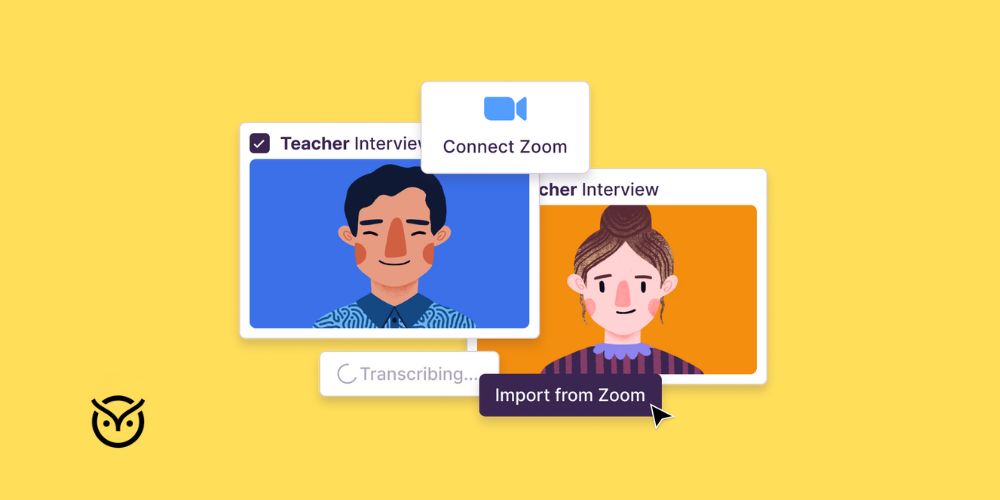
Recruiters juggle questions, scribbled notes, and active listening simultaneously — and lose detail in all three. Automated interview transcripts capture everything, free recruiters from typing, and produce searchable records the whole hiring team can use. The productivity gain is real; the fairness and compliance benefits are bigger. This guide walks through how transcripts work and where they pay off.
Why Recruiters Burn Time on Notes
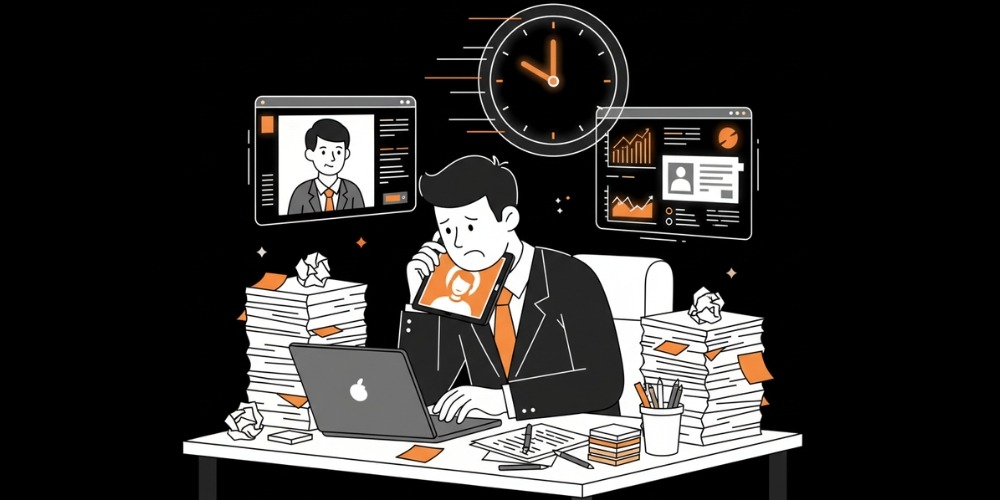
Deloitte research shows HR teams spend up to 57% of time on administrative tasks — pulling attention from candidate conversations.
Three structural costs.
Missed nuance
Manual note-taking captures partial information. Tone, hesitation, and follow-up cues all get lost.
Inconsistent records
Handwritten notes from back-to-back interviews blur together. Hiring discussions rely on imperfect memory rather than evidence.
Slower hiring cycles
Time spent on document cleanup after interviews delays decisions and candidate communication.
What Interview Transcripts Are
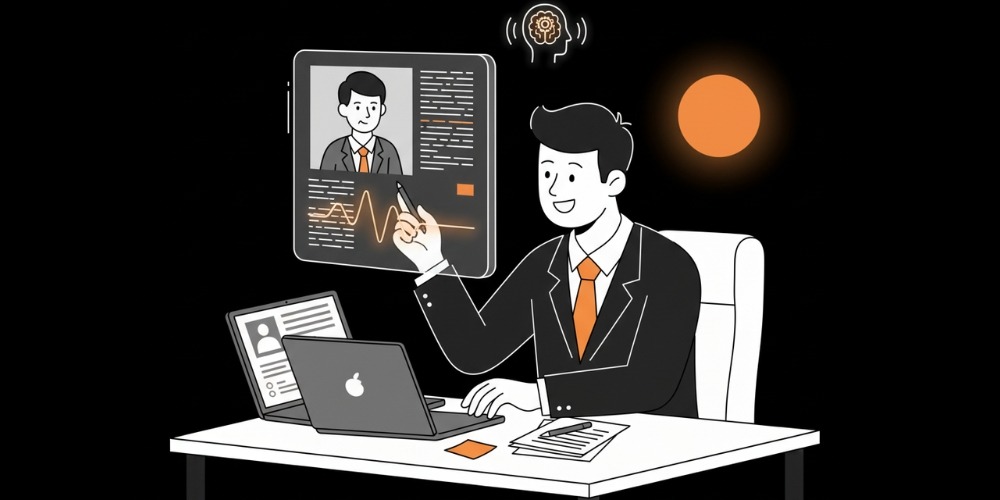
A written record of the spoken conversation between recruiter and candidate. Modern AI transcription software generates these in real time, with speaker labels, timestamps, and optional contextual notes.
Standard format:
Interviewer: Tell me about a time you resolved a team conflict.
Candidate: In a recent project, two team members disagreed on design direction. I set up a 30-minute mediation session and proposed evaluation criteria so we could compare ideas objectively. Both sides agreed to the framework, and we shipped on schedule.
Consistent format across recruiters means hiring panels can review exact responses without "who said what" debates.
How Transcripts Improve Productivity
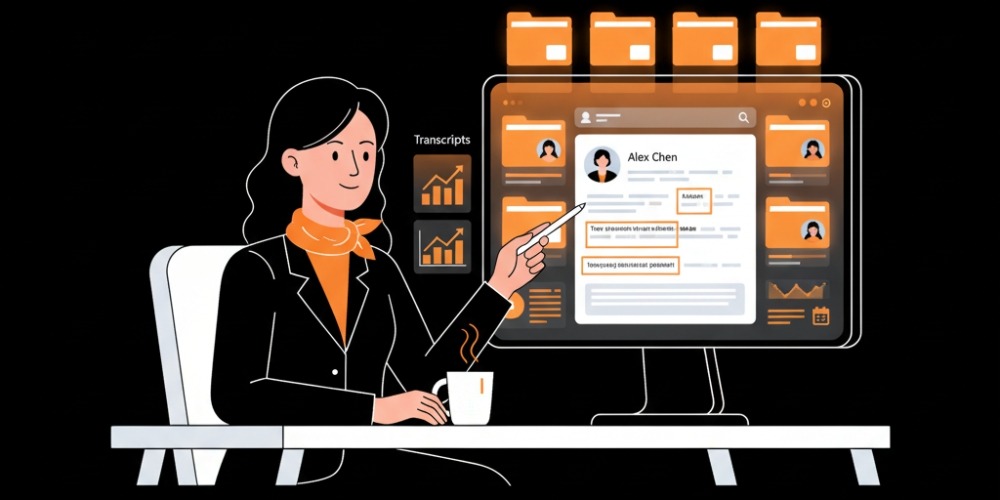
Three concrete productivity wins.
Searchable records
Instead of rewriting notes after interviews, recruiters search the transcript for keywords. Finding specific moments takes seconds, not minutes.
Faster team alignment
Sharing transcripts (or relevant excerpts) with hiring managers replaces long debrief emails. Everyone reviews the same source of truth.
Bias reduction
Reviewing actual transcripts catches recall bias. Strong candidates don't get downranked because their best moment got forgotten between interviews.
How Transcripts Pay Off After the Interview
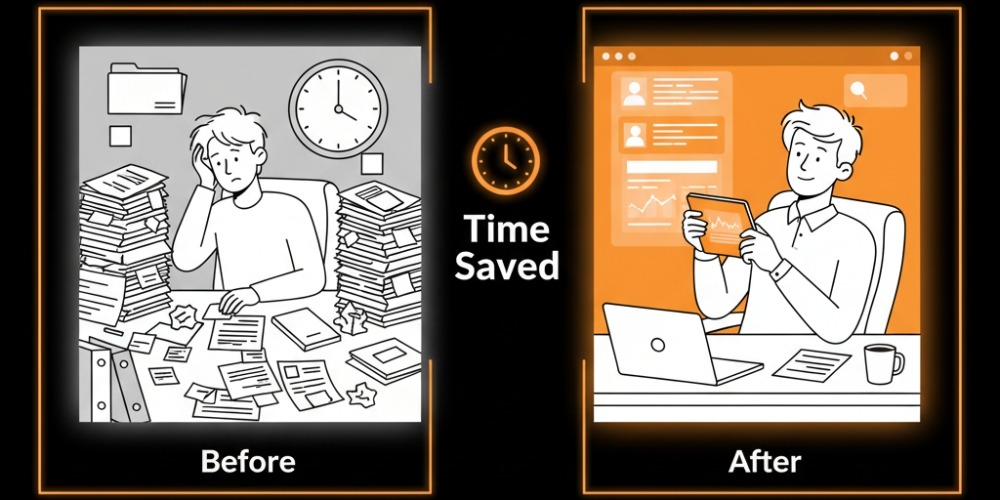
Four post-interview benefits.
Instant search and excerpt sharing
Recruiters pull specific candidate quotes in seconds. Faster follow-ups, faster decisions, faster offers.
Better candidate experience
Same-day status updates become possible because alignment doesn't require multi-day note reconciliation.
Cross-time-zone collaboration
Distributed panel interview teams stay aligned without scheduling realignment meetings. The transcript is the source of truth.
Bulk hiring standardisation
For high-volume hiring, transcripts make comparable evaluation across many candidates dramatically easier.
Hidden Benefits
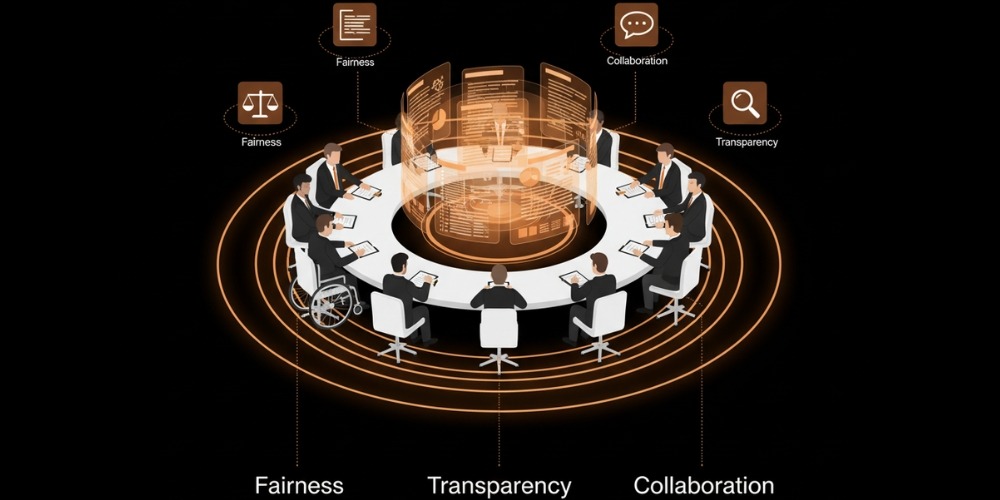
Five gains that compound over time.
Accuracy
Every word preserved. Misinterpretation drops; nuance becomes recoverable.
Team alignment
Shared transcripts mean shared facts. Bias drops; consensus arrives faster.
Better interview prep
Reviewing past transcripts reveals which questions produce signal and which don't. Recruiters refine their question set over time.
Compliance and audit trail
If a hiring decision is questioned legally, the transcript provides factual evidence. Protects companies during disputes or compliance reviews.
ATS integration
Modern transcription platforms integrate with ATS systems. Transcripts get tagged, filtered, archived alongside other candidate data automatically.
How to Set It Up
Three steps that consistently produce strong outcomes.
Choose a transcription tool
Otter.ai, Fireflies.ai, and similar tools produce accurate multi-speaker transcripts with timestamps. Most integrate with Zoom, Teams, and Meet directly.
Standardise the format
Speaker labels (Interviewer / Candidate / Hiring Manager), timestamps, and any contextual notes. Consistency across recruiters means consistent debriefs.
Always get consent
Local privacy rules require explicit consent for recording and transcription. Build this into your interview opening — most candidates have no issue with it when asked.
The Bottom Line
Interview transcripts shift recruiters from frantic note-taking to engaged conversation. The productivity gain is significant; the downstream improvements in fairness, alignment, and compliance are bigger. Modern AI transcription tools are mature, affordable, and integrate cleanly with existing recruiting stacks. Pair them with strong interview preparation and you transform every interview from a one-shot conversation into searchable, comparable, defensible evidence. The teams that adopt transcripts widely are the same teams hiring faster and fairer than their competitors.
FAQs
How do I set up interview transcripts?
Pick a transcription platform (Otter.ai, Fireflies.ai, etc.), get candidate consent during the interview opener, record the call via your conferencing tool, and let the transcription tool process the audio. Review the output briefly for any context-specific corrections.
Can recruiters rely on AI transcripts?
Yes — modern AI transcription is reliably accurate, even in multi-speaker sessions. Light review catches edge cases like industry-specific terminology.
What's the cost-benefit vs manual notes?
Subscription transcription tools cost a fraction of recruiter time spent on manual notes. Most teams see ROI within the first month of adoption.
How do transcripts help with compliance?
They provide factual records for audit and legal review. Hiring decisions can be defended with evidence rather than memory.
What's the highest-leverage starting move?
Adopt transcription for one workflow first — typically initial screening calls. Prove the ROI, then expand to full interview rounds. The investment is small; the compound benefits are substantial.
Keep reading


