

Mentally Preparing for a Job Interview: 11 Tactics That Work
Strong interviews depend on mindset as much as content — visualisation, breathing, growth mindset, and the post-interview habits that compound.
Ployo Team
Ployo Editorial

TL;DR
- Visualisation activates the same brain regions as practice — proven in athletic performance research.
- Box breathing (4-4-4-4) calms nerves quickly before high-pressure moments.
- Less than 7 hours of sleep correlates with worse mental performance (Sleep Foundation).
- Practise stories using STAR structure, don't memorise scripts.
- Detach from the outcome — interviews are two-way evaluations, not pure judgments.
Most candidates over-invest in answers and under-invest in mindset. The result: prepared content delivered through nerves that undermine it. Mental preparation isn't a soft add-on — it's what determines whether your prep actually shows up in the room. This guide walks through the specific moves that consistently produce calmer, sharper performance.
Why Mental Prep Matters
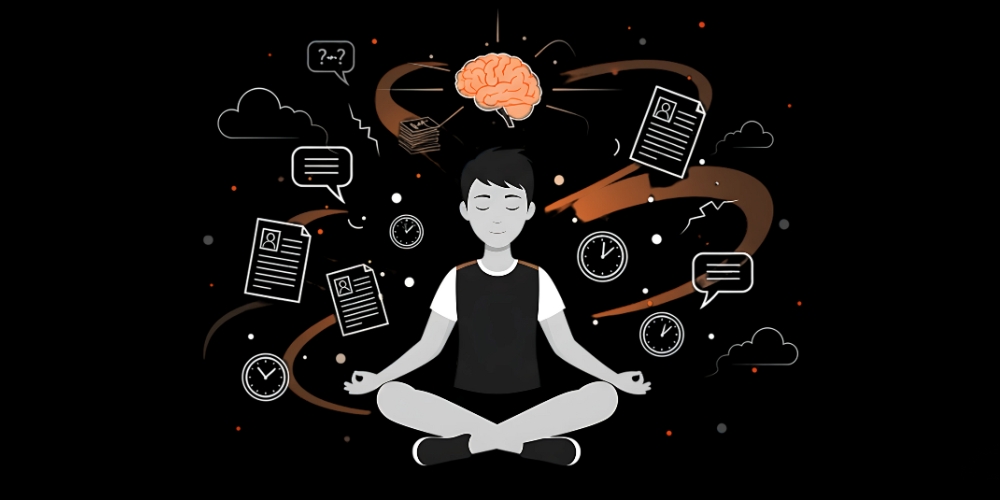
Resume polish, outfit choice, and answer memorisation matter less than mental readiness. When you're not mentally prepared, you don't just feel nervous — you listen worse, think slower, and miss opportunities to connect.
When questions go off-script, prepared-but-untrained candidates freeze. Mentally prepared candidates pivot. That difference separates "got through the interview" from "ran the conversation." Mental prep is also the one variable strong interview etiquette can't compensate for.
11 Tactics That Reliably Steady Your Mind
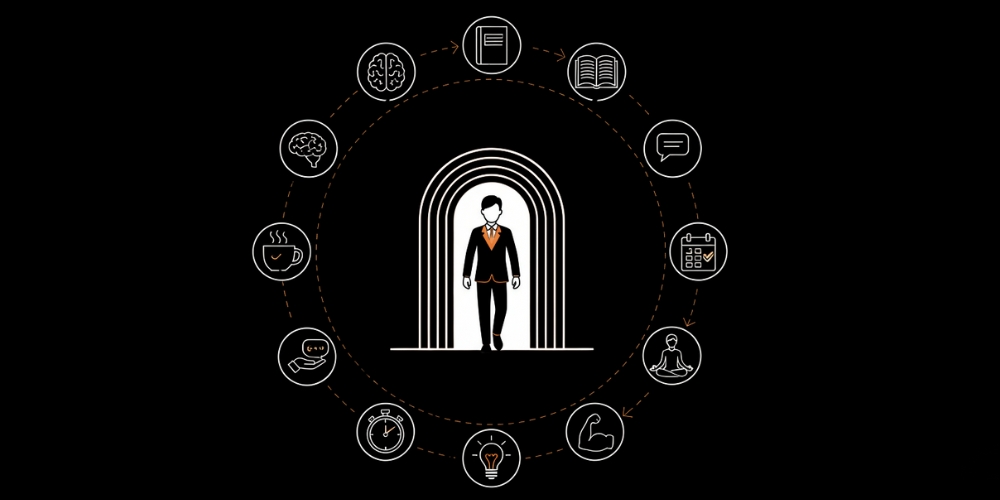
1. Visualise success
Close your eyes; picture yourself entering the room, shaking hands, answering questions confidently. Athletes use visualisation under pressure for measurable reasons — it rewires expectation. Spend 5 minutes the night before.
2. Practise mindful breathing
Box breathing — in 4, hold 4, out 4, hold 4 — calms the nervous system fast. Use it in the car, in the waiting room, between rounds.
3. Adopt a growth mindset
Carol Dweck's research on growth mindset applies cleanly: candidates who treat interviews as learning moments perform better and recover faster than those chasing perfection. Treat every interview as practice, not a verdict.
4. Know the company and role
Confidence comes from clarity. Study the mission, recent news, and role specifics. Knowing context makes your answers sharper and your tone steadier.
5. Plan the day in advance
Outfit, route, tech setup, meals — decide the night before. Removing day-of decisions preserves mental energy for what matters.
6. Rehearse stories, not scripts
Practise STAR-structured stories — Situation, Task, Action, Result — rather than memorising answers. Practising with a friend sharpens delivery and reveals where your stories drag.
7. Journal the anxious thoughts
Write the doubts, the what-ifs, the imagined disasters. Externalising them clears mental bandwidth. Not poetry — maintenance.
8. Use accurate self-talk
Catch "I'm going to mess up" and replace with "I'm qualified and prepared." This isn't toxic positivity; it's factual reframing of fear-based thinking.
9. Sleep 7+ hours
Sleep Foundation research connects under-7-hour sleep with measurably worse mental performance. Treat sleep as part of your prep, not a sacrifice for last-minute cramming.
10. Moderate caffeine and sugar
Triple-shot lattes produce jitters that come through your voice. Stick to what your body's used to. Balanced energy beats stimulant highs.
11. Remember it's two-way
You're evaluating fit too. The mindset shift from "they're judging me" to "we're both checking fit" reduces pressure significantly and produces more authentic answers.
Post-Interview Mindset
What you do after the interview matters almost as much.
Don't overanalyse every word
The mental replay tempts you to relitigate every pause. Interviewers don't remember most of what you replay. Move on.
Reflect, don't regret
Write down what worked and what to improve — no self-blame. Reflection teaches; regret traps.
Detach from the outcome
Your control ends when the meeting does. Detachment from needing "yes" produces more grounded performance in the next round.
Keep momentum
Rejections aren't endings; they're rounds of practice. Stay in motion, keep applying, keep improving. Confidence compounds from consistency.
Common Mistakes
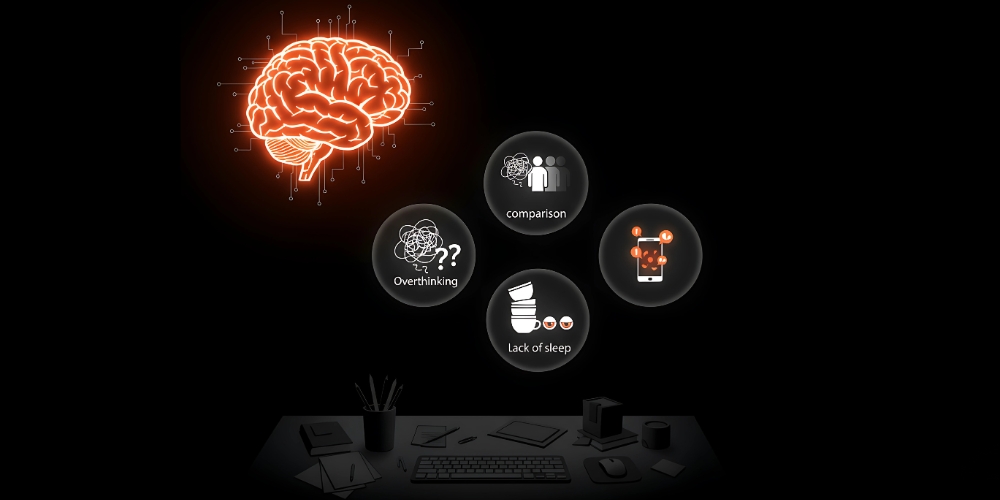
Five patterns that consistently undermine mental prep.
Over-rehearsing answers
Memorised answers sound flat. When something unexpected comes, scripted candidates freeze. Prepare key points; stay flexible.
Comparing yourself to others
Scrolling LinkedIn before an interview is a confidence killer. Everyone looks polished online; comparison right before a high-pressure moment damages performance.
Ignoring rest and food
Skipping meals and sleep destroys focus. Mental energy depends on physical state. Eat balanced, hydrate, sleep well.
Skipping mental prep entirely
Suits and resumes don't produce calm; mental work does. Five minutes of breathing, visualisation, or journaling before an interview changes performance materially.
Focusing only on outcomes
Tying your worth to "you're hired" produces brittleness. Treating every interview as practice produces resilience.
The Bottom Line
Mental preparation isn't a soft skill add-on — it's what determines whether your hard prep actually surfaces in the room. Visualisation, breathing, growth mindset, sleep, and detachment from outcome aren't fluffy advice; they're the specific levers that steady performance under pressure. Spend five minutes on them before every interview and the compound return across a job search is enormous.
FAQs
What's the best way to build confidence before an interview?
Prepare your stories, research the company, run visualisation, and use accurate self-talk. A short power pose or breathing reset before walking in lifts energy further.
Should I meditate before interviews?
If it helps your focus, yes — even 5 minutes of breathing or mindfulness clears mental clutter. No specific posture required; just slow breath and presence.
How do I stay positive after past rejections?
Treat each rejection as redirection. Note what you learned, refine the approach, move forward. One "no" doesn't erase your skills; the right "yes" comes from consistency, not perfection on any single attempt.
How do I calm nerves in the waiting room?
Box breathing (4-4-4-4) for 1–2 cycles. Power pose if you have privacy. Re-read your STAR stories once for confidence. Avoid phone scrolling — it raises cortisol when you need it down.
What's the single highest-leverage mental prep habit?
Sleeping properly the night before. No amount of last-minute review compensates for sleep deprivation, and good sleep enhances every other part of performance — memory, mood, judgment, energy.
Keep reading


