

Phone Interview Answers: How to Go From Hello to Hired
Phone interviews depend on voice, clarity, and preparation — what to prepare, how to handle common questions, and the mistakes to avoid.
Ployo Team
Ployo Editorial
TL;DR
- Phone interviews are early-funnel filters that decide whether you advance.
- ~86% of employers preferred video interviews early in remote-work shift, but phone screens remain core.
- Prep: research the company, practise common questions, test your setup.
- Keep answers 60-90 seconds; pause before answering; smile while speaking.
- Send a thank-you email within 24 hours of the call.
Phone interviews carry disproportionate weight in modern hiring. Without facial cues or eye contact, your voice and word choice carry the entire signal. Recruiters use phone screens as the first serious filter — and the candidates who treat them as casual chats consistently underperform candidates who prepare deliberately. This guide walks through how to prepare, how to answer common questions, and what to do in the 24 hours after the call.
Why Phone Interviews Matter

Phone interviews are the gatekeepers of modern hiring. They filter the broad applicant pool down to the shortlist that gets deeper interviews. StandoutCV interview research shows around 86% of employers shifted toward video for first-round screening at the start of remote work, but voice-only phone screens remain heavily used because they're faster and don't require video setup.
Three structural reasons phone interviews matter.
First filter for the full pipeline
Most candidates eliminated never reach video or in-person stages. The phone screen often decides who advances.
Volume management
A recruiter can run 8-10 phone screens in a day vs 4-5 video interviews. The volume difference matters for scheduling.
Communication-quality test
Voice carries clarity, energy, and confidence cues that text doesn't. Phone screens directly test communication ability.
How to Prepare Before the Call
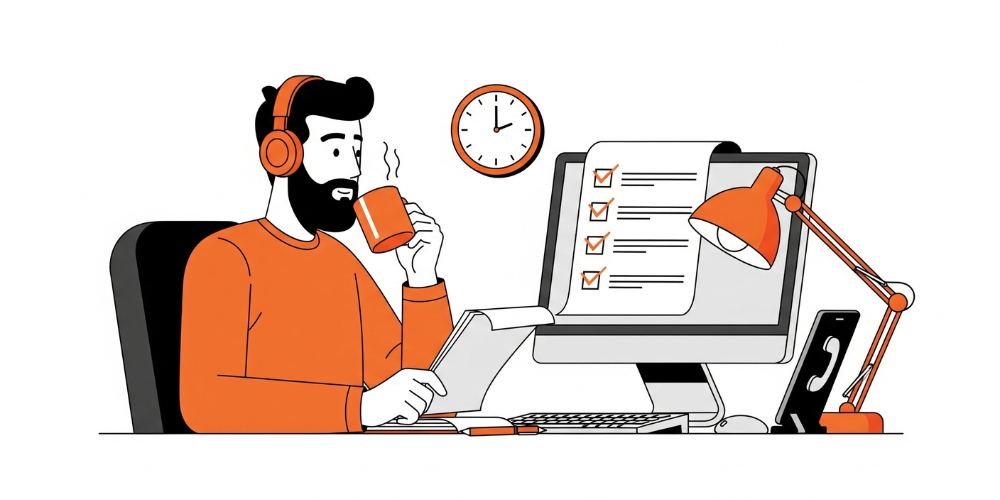
Six preparation moves that consistently produce strong outcomes.
1. Research the company
Read recent press releases, browse their blog, check Glassdoor reviews, scan their LinkedIn. Specific company-relevant references during the call distinguish you from generic candidates.
2. Practise common questions
- "Tell me about yourself"
- "Why this role?"
- "Walk me through your resume"
- "What are your salary expectations?"
- "What are your strengths and weaknesses?"
Tech roles add troubleshooting and architecture questions. Practising out loud (not in your head) matters — delivery under interview pressure differs from silent reading.
3. Set up your environment
Quiet space, notifications off, water nearby, phone charged, signal strong. Dress neatly even though no one sees you — the psychological shift matters.
4. Prepare notes (don't read from them)
Bullet points with key achievements, metrics, and questions to ask. Notes support memory; reading from scripts sounds robotic.
5. Prepare your own questions
- "What are the top priorities for this role in the first 90 days?"
- "What does success look like in this role?"
- "What's the team I'd be working with?"
Thoughtful questions signal genuine interest.
6. Use headphones, not speakerphone
Wired or Bluetooth headphones produce dramatically better audio quality than speakerphone. Background noise, echo, and missed words all increase with speakerphone.
Common Phone Interview Questions and How to Answer
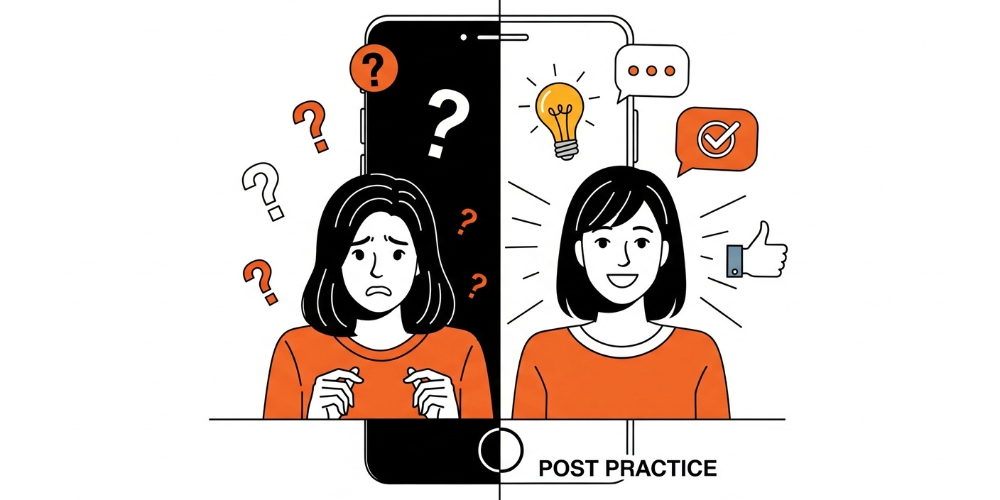
"Tell me about yourself"
Under 90 seconds. Current role + 2-3 strengths relevant to the target role + recent accomplishment + why you're interested.
"I'm a content strategist with five years focused on B2B SaaS. Most recently I led content at a Series B company where my team grew organic traffic 45% in six months through better topic clustering and on-page optimisation. I'm interested in this role because the work involves expanding into international markets, which is exactly where I want to deepen my skills."
"Why this role?"
Genuine enthusiasm tied to specific research. The candidate who can name three things they found compelling about the company sounds different from the candidate who can only say "great culture."
"Strengths and weaknesses"
Strengths tied to role requirements with examples. Weaknesses that are real but show self-awareness and growth. Avoid "I'm too much of a perfectionist."
"Salary expectations"
A researched range, not a single number, with brief context. "Based on market data and my experience, I'm targeting $X-$Y."
"Experience with [specific tool]"
Honest about depth, with willingness to learn. "I've used Salesforce extensively; haven't worked with HubSpot directly but I'm comfortable picking up new CRMs based on my Salesforce background."
How to Answer on Phone Interviews the Right Way
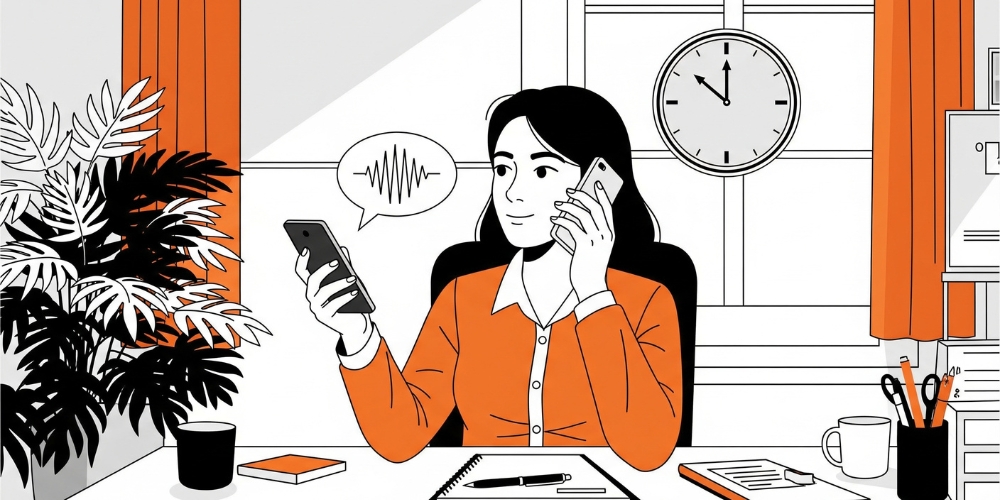
Six delivery techniques that consistently distinguish strong phone answers.
1. Start with a confident greeting
"Hi, this is [Your Name], thanks for taking the time today." Clear and professional. Skip "Hey" or rushed openings.
2. Match energy to the interviewer
If they're warm and conversational, match it. If formal and structured, match that too. Mirroring builds rapport.
3. Use STAR for behavioural questions
Situation, Task, Action, Result. Keeps answers structured and outcome-focused.
4. Keep notes but don't read
Bullet points support memory; full sentences read robotic. Practice talking through your notes, not from them.
5. Pause before answering hard questions
"That's a good question — let me think for a second" is far better than rushing. Pauses signal thoughtfulness.
6. Close with energy
"Thanks for the time. I'm even more interested in the role after this conversation. What are the next steps?" — ends strongly.
Common Mistakes to Avoid

Six common phone interview mistakes.
Multitasking
Email-checking, pacing, dishwashing — all audible. Focus exclusively on the call.
Rambling
Nervous over-explanation kills strong answers. 60-90 seconds per response is the sweet spot.
Monotone delivery
Without visual cues, voice does all the work. Smile while speaking (genuinely changes vocal tone). Vary pace and emphasis.
No questions to ask
Signals disinterest. Always have 3-5 prepared.
Poor audio
Speakerphone, weak signal, background noise — all damage perception. Test setup before the call.
Skipping follow-up
A brief thank-you email within 24 hours is standard professional practice. Skipping it costs you.
What to Do Right After the Call
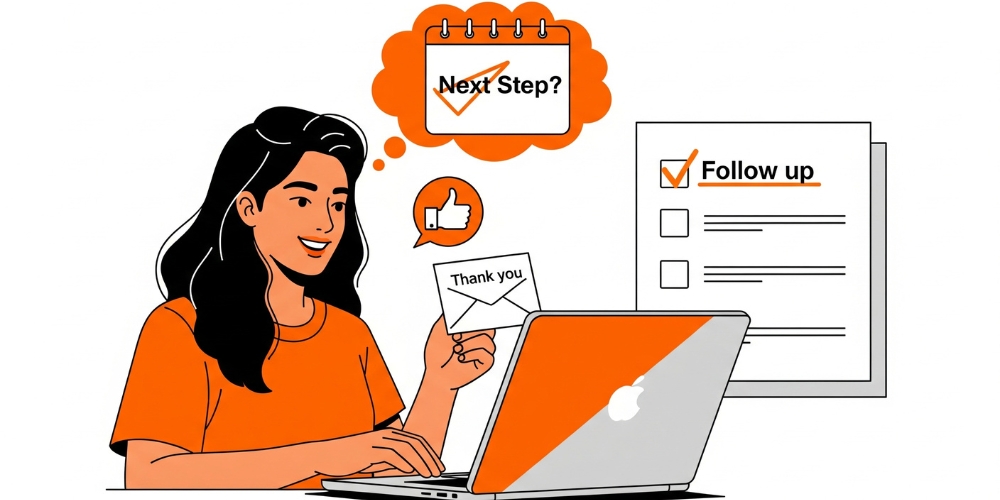
Three high-leverage post-interview actions.
1. Send a thank-you email
Within 24 hours. Reference specific conversation points. Reaffirm interest. Ask about next steps.
2. Document key takeaways
Who you spoke with, what was discussed, follow-up commitments, your impressions. The notes inform later stages.
3. Reflect and improve
Which questions tripped you up? Which answers worked well? Refine for next time.
The Bottom Line
Phone interviews disproportionately reward preparation. The candidates who research the company, practise common questions out loud, set up their environment carefully, deliver with structure and energy, and follow up promptly consistently advance to next stages. The candidates who treat phone interviews as casual chats consistently underperform. The mechanics are teachable; the discipline of consistently applying them separates "got the callback" from "still searching."
FAQs
How long do phone interviews typically last?
15-30 minutes is standard for screening calls. Some extend to 45 minutes for deeper conversations. The duration depends on role seniority and interviewer style.
Can I ask about salary on a phone interview?
Yes, but follow the interviewer's lead. If they raise it, engage thoughtfully. If they don't, you can ask near the end of the call. Use a researched range, not a single number.
What should I wear for a phone interview?
Whatever helps you feel sharp and focused. Even though they can't see you, dressing professionally produces a measurable psychological shift in delivery quality.
Should I use headphones or speakerphone?
Headphones — wired or Bluetooth — always. Speakerphone produces echo, background noise, and missed words that damage perception of your communication.
What's the highest-leverage phone interview improvement?
Practising answers out loud, not silently. Delivery under interview pressure is meaningfully different from silent rehearsal; out-loud practice closes the gap.
Keep reading


