

Essential Call Center Soft Skills: What Top Agents Master in 2026
Soft skills drive call center retention and CSAT more than tools do — the skills that matter most, how to assess them, and how to develop them.
Ployo Team
Ployo Editorial

TL;DR
- 97% of consumers and 98% of contact center managers agree service quality drives loyalty (Calabrio).
- 59% of customers feel brands are becoming less human (PwC) — soft skills fill the gap.
- Empathy, active listening, emotional resilience, and problem-solving lead the skill list.
- Hiring for soft skills requires behavioural interviews + role-play simulations.
- Ongoing soft-skills training matters more than one-time onboarding.
Call centers that optimise purely for handle time and system efficiency consistently produce three outcomes: high agent turnover, low customer satisfaction, and brand damage that costs more than the saved minutes. Soft skills aren't decorative — they're the operational lever that determines whether customers remain loyal or churn after a single bad interaction. This guide walks through the soft skills that genuinely matter in modern call centers, how to hire for them, and how to develop them after onboarding.
Why Soft Skills Drive Call Center Performance
Calabrio's 2022 contact center research shows near-universal agreement: 97% of consumers and 98% of contact center managers say service quality directly determines whether customers stay loyal.
Strong soft skills compound business outcomes:
- De-escalation: Skilled agents resolve volatile situations without supervisor intervention
- First-call resolution: Better listening surfaces the real issue faster
- Reduced repeat calls: Properly understood and resolved problems don't recur
- Lower agent burnout: Confidence in handling tough callers protects mental health
- Brand loyalty: Customers remember how they were treated, not just whether the issue was resolved
The economics favour soft-skill investment significantly — a single well-handled difficult call protects revenue that hundreds of cold transactional calls cannot rebuild.
What "Soft Skills" Actually Mean in Call Centers
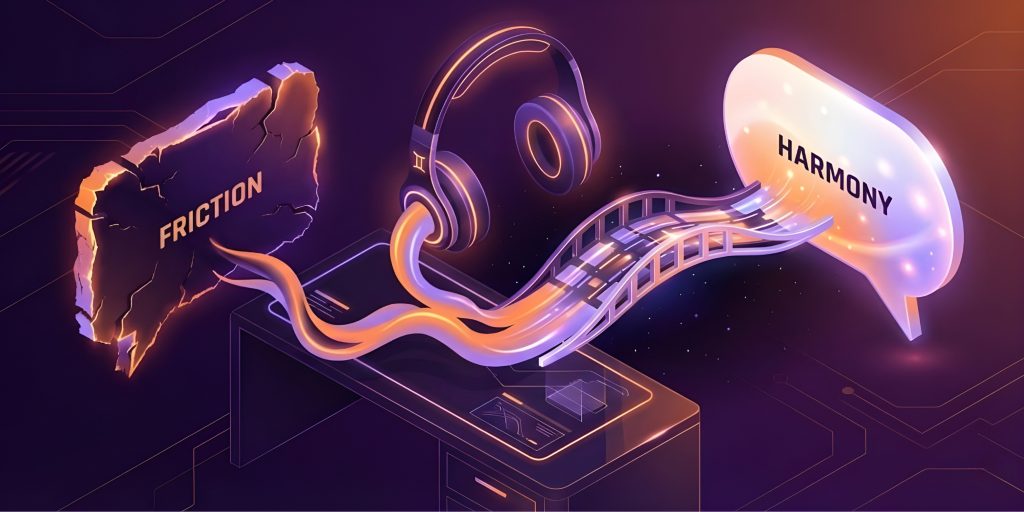
Soft skills are the human capabilities that shape how an agent communicates — tone, pacing, word choice, emotional attunement. They sit alongside hard skills (CRM proficiency, product knowledge, typing speed) but operate on a different dimension.
In phone-based support specifically, soft skills carry even more weight than in face-to-face service. Without visual cues, voice and tone become the entire channel. Agents must read frustration, confusion, or urgency from audio signal alone and adjust their approach accordingly.
Essential Call Center Soft Skills
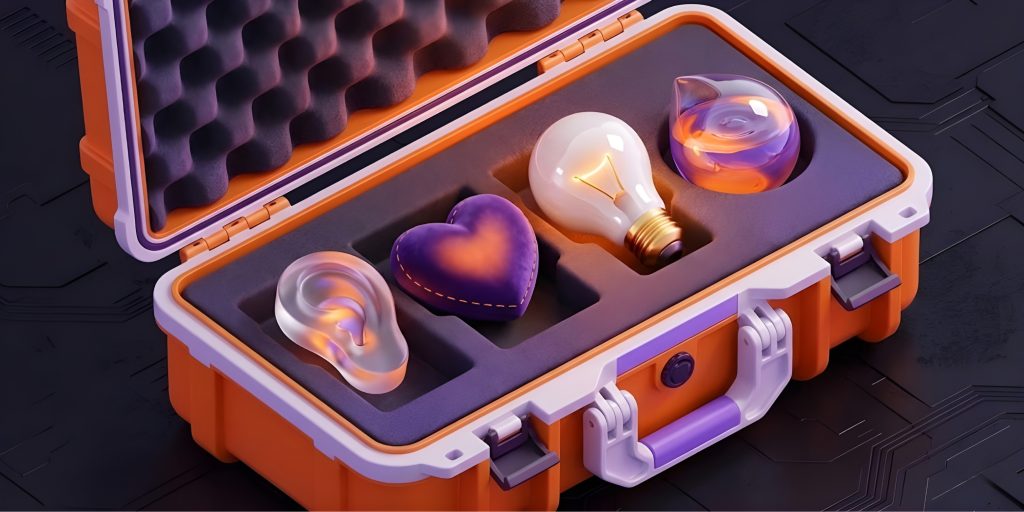
Six core competencies that consistently distinguish top agents.
1. Active listening
Understanding the underlying issue, not just hearing words. Strong listeners ask clarifying questions, paraphrase to confirm understanding, and pick up on what's not being said directly.
2. Empathy
Acknowledging the customer's emotional state — frustration, confusion, urgency — before moving to solution. Empathy doesn't add time; it usually saves it by reducing escalation.
3. Clear communication
Conveying complex information in simple, digestible terms. Avoiding jargon, structuring explanations logically, confirming understanding at key points.
4. Emotional resilience
Maintaining composure across back-to-back difficult calls. The fifth difficult call of the day should get the same quality as the first.
5. Problem-solving
Creative solutions when the standard playbook doesn't fit. Top agents can navigate variations and edge cases that scripted approaches miss.
6. Adaptability
Adjusting tone, pacing, and approach based on the customer's needs. The same response that calms one customer can frustrate another.
Soft Skills vs Technical Skills
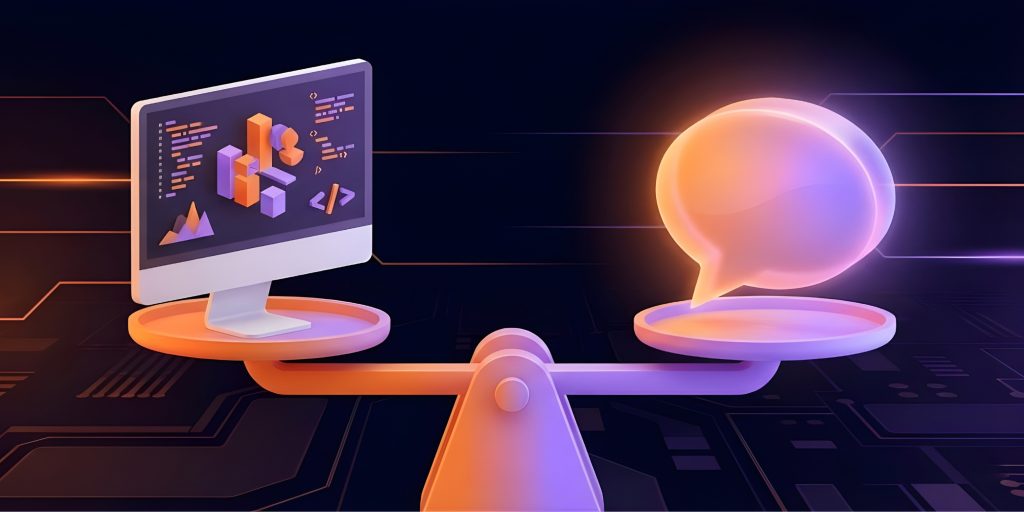
The "is customer service a hard skill or soft skill?" question misses the point. Both matter, but they operate differently:
- Technical mastery (product knowledge, CRM use) is teachable in weeks
- Soft skills (empathy, listening, resilience) take years to develop
Technical skills can be onboarded quickly into anyone with reasonable cognitive ability. Soft skills can be developed but not manufactured from nothing — which is why screening for them in hiring matters disproportionately.
PwC consumer experience research shows 59% of customers feel brands are becoming less human. Soft skills are the antidote to this perception, regardless of how much technology a call center deploys.
How Employers Assess Soft Skills in Hiring
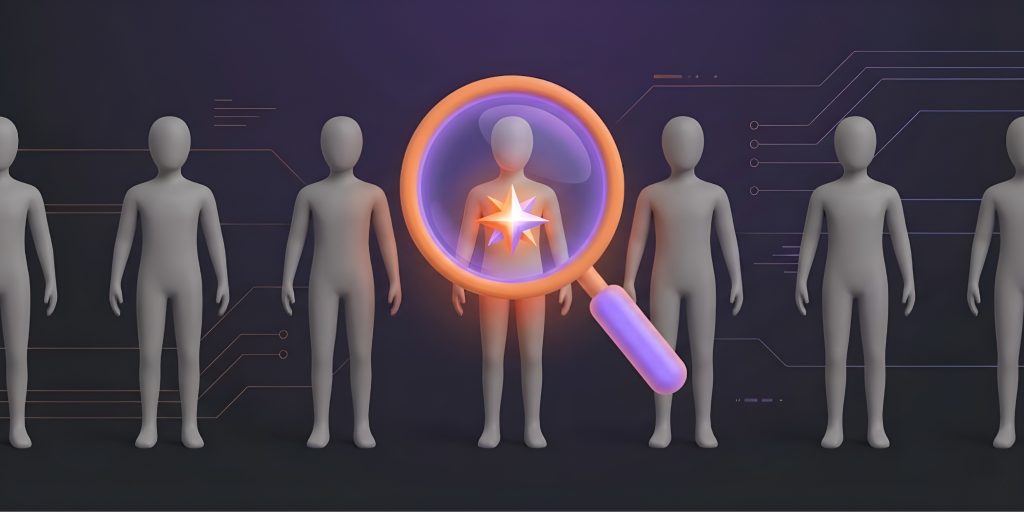
Three assessment approaches consistently distinguish strong soft-skill hiring.
1. Behavioural interviews
Behavioural interview questions probe past behaviour: "Tell me about a time you handled an angry customer." Past behaviour predicts future behaviour better than self-assessment claims.
2. Role-play simulations
The candidate handles a simulated call with the interviewer playing customer. Reveals natural tone, composure, and adaptability in ways resumes cannot.
3. Soft-skill assessment platforms
Pre-screening tools that measure communication patterns, situational judgement, and emotional intelligence at scale. Useful for high-volume hiring where structured signal matters.
The top 5 skills employers look for in call center roles consistently cluster around communication, empathy, reliability, adaptability, and problem-solving — and assessment should target each one specifically.
Developing Soft Skills After Hiring

Five training patterns that consistently work.
Gamification
Points for demonstrating empathy, de-escalating calls, or achieving first-call resolution. Makes development engaging rather than punitive.
Call recording and review
Regular review of actual calls with structured feedback. Specific examples beat abstract coaching.
Role-play sessions
Scheduled practice on difficult scenarios — angry customers, technical complexity, billing disputes. Builds muscle memory before it's needed live.
Peer learning
Top agents share specific techniques with the team. Often more impactful than manager training because it's grounded in real recent experience.
Topic-specific workshops
"The Art of Saying No," "Handling High-Conflict Personalities," "De-escalation Techniques." Specific skills get specific training, not generic personal development.
What Doesn't Work
Three anti-patterns in call center soft-skills development.
One-and-done training
Soft skills require practice and reinforcement. Onboarding training without ongoing development produces predictable skill decay.
Generic "be empathetic" coaching
Without specific techniques and practiced scenarios, abstract advice doesn't translate to behaviour change.
Optimising purely for handle time
When agents are evaluated only on call duration, soft skills get sacrificed. Balanced metrics including CSAT, resolution rate, and call quality produce better long-term outcomes.
The Bottom Line
Call center soft skills are the structural difference between operations that retain agents and customers and operations that don't. The data is unambiguous — service quality drives loyalty; soft skills drive service quality; deliberate hiring and development drive soft skills. The companies that take this seriously consistently outperform competitors with bigger budgets but worse people-skill investment. The shift from "fast and cold" to "human and effective" isn't slower or more expensive — it's the operational lever that turns transactional support into a competitive advantage.
FAQs
How does labor market data help call center hiring?
By revealing where service-oriented talent concentrates and what compensation that talent expects. Data-driven sourcing reaches candidates with the right soft-skill profile rather than generic candidate pools.
Can analytics reduce time-to-hire in call centers?
Yes, particularly through data-driven pre-screening that surfaces strong soft-skill candidates early. Recruiter time shifts from manual resume review to deeper evaluation of pre-qualified candidates.
Do small companies need market analytics for call center hiring?
Often more than large companies do. Small teams can't absorb bad hires; data-driven hiring produces disproportionate value when each individual hire matters more.
What's the highest-leverage soft skill to develop first?
Active listening. It compounds — better listening enables better empathy, better problem-solving, better first-call resolution. Most other soft skills improve when listening improves first.
How do you measure soft-skill improvement?
Customer satisfaction (CSAT) trends, first-call resolution rate, escalation rate, and post-call sentiment analysis from speech analytics. Quantitative metrics reveal whether qualitative skills are actually improving.


