

Candidate Engagement Strategies for Remote and Hybrid Hiring in 2026
Remote candidates ghost faster — the engagement strategies, communication cadence, and tools that keep distributed talent invested through to offer.
Ployo Team
Ployo Editorial

TL;DR
- 78% of job seekers say the hiring experience reflects how a company treats employees (CareerBuilder).
- Remote candidates ghost faster — there's no office, lunch, or culture moment to anchor them.
- Communication cadence ≤ 3-4 business days even when there's no news.
- Automation handles status updates; humans handle relationship moments.
- Track cNPS, response rate, drop-off per stage, and time-to-hire to measure engagement health.
Remote and hybrid hiring removed the office visit, the team lunch, and the casual culture moments that historically anchored candidates emotionally to a process. What replaced them is digital communication — and most companies underestimate how thin that thread is. Without proactive engagement, candidates drift, ghost, or accept competing offers from the company that simply replied faster. This guide walks through what candidate engagement actually requires in distributed hiring, where companies most often lose candidates, and the strategies that consistently keep top talent invested through to offer.
What Candidate Engagement Means in Remote Hiring
Candidate engagement is the ongoing connection between the candidate and the hiring company across every stage of the process — application, screening, interviews, offer, and onboarding. In remote contexts, it's the substitute for the physical interactions that previously did most of this work.
Strong engagement looks like:
- Same-day acknowledgement of applications
- Clear timelines communicated proactively
- Regular updates (every 3-4 business days minimum)
- Personalised touchpoints from real humans
- Transparency about process, criteria, and decisions
- Closing the loop after rejections
Weak engagement looks like:
- Silence between application and first response
- Vague or shifting timelines
- Generic templated messages
- Long unexplained gaps between interview rounds
- No feedback after rejection
- Sudden disappearance of the recruiter after the interview
The gap between strong and weak engagement determines whether top candidates accept your offer or quietly take a competitor's.
Why Engagement Matters More in Remote Hiring
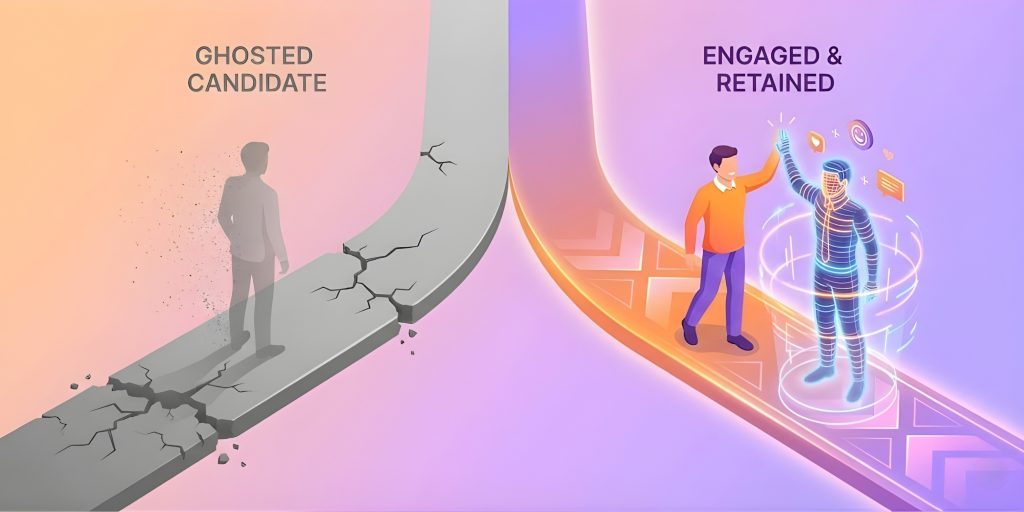
Three structural factors make engagement harder and more important in distributed hiring.
Higher candidate optionality
Remote candidates can interview with companies anywhere without travel friction. They're often running 3-5 processes simultaneously. The company with the slowest cadence loses.
No physical culture cues
CareerBuilder research shows 78% of job seekers believe the hiring experience reflects how the company treats employees. In remote hiring, that experience is the only signal candidates have about your culture — there's no office walk-through to compensate.
Easier ghosting on both sides
When the entire relationship lives in email and Zoom, walking away has lower social cost. Candidates ghost; recruiters ghost. Engagement discipline reduces both.
Where Companies Lose Remote Candidates
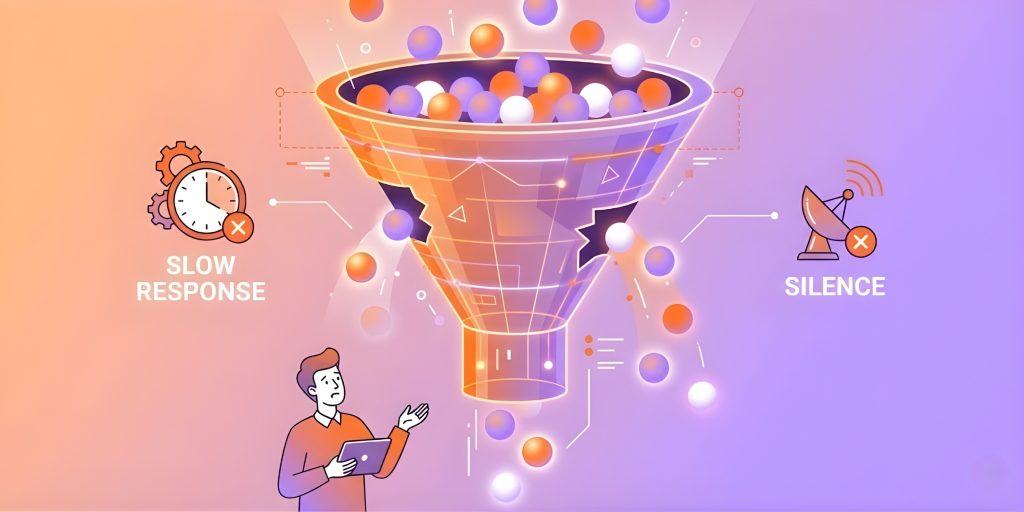
Five drop-off points cause most remote candidate loss.
1. Application black hole
Candidate applies, hears nothing for two weeks. Even a fast automated acknowledgement with a clear "what's next" beats silence.
2. Vague timelines
"We'll be in touch" tells the candidate nothing. Specific dates ("decision by Friday March 21") build trust; vague language erodes it.
3. Poor tech experience
Broken video links, confusing assessment systems, multiple platform logins. Every friction point loses some candidates.
4. No human connection
Speaking only to recruiters without meeting actual teammates leaves candidates unable to picture the work. They drift.
5. Post-offer silence
The period between offer accept and start date is where buyer's remorse and counter-offer poaching happen. Active engagement during this window protects the hire.
Engagement Strategies That Consistently Work
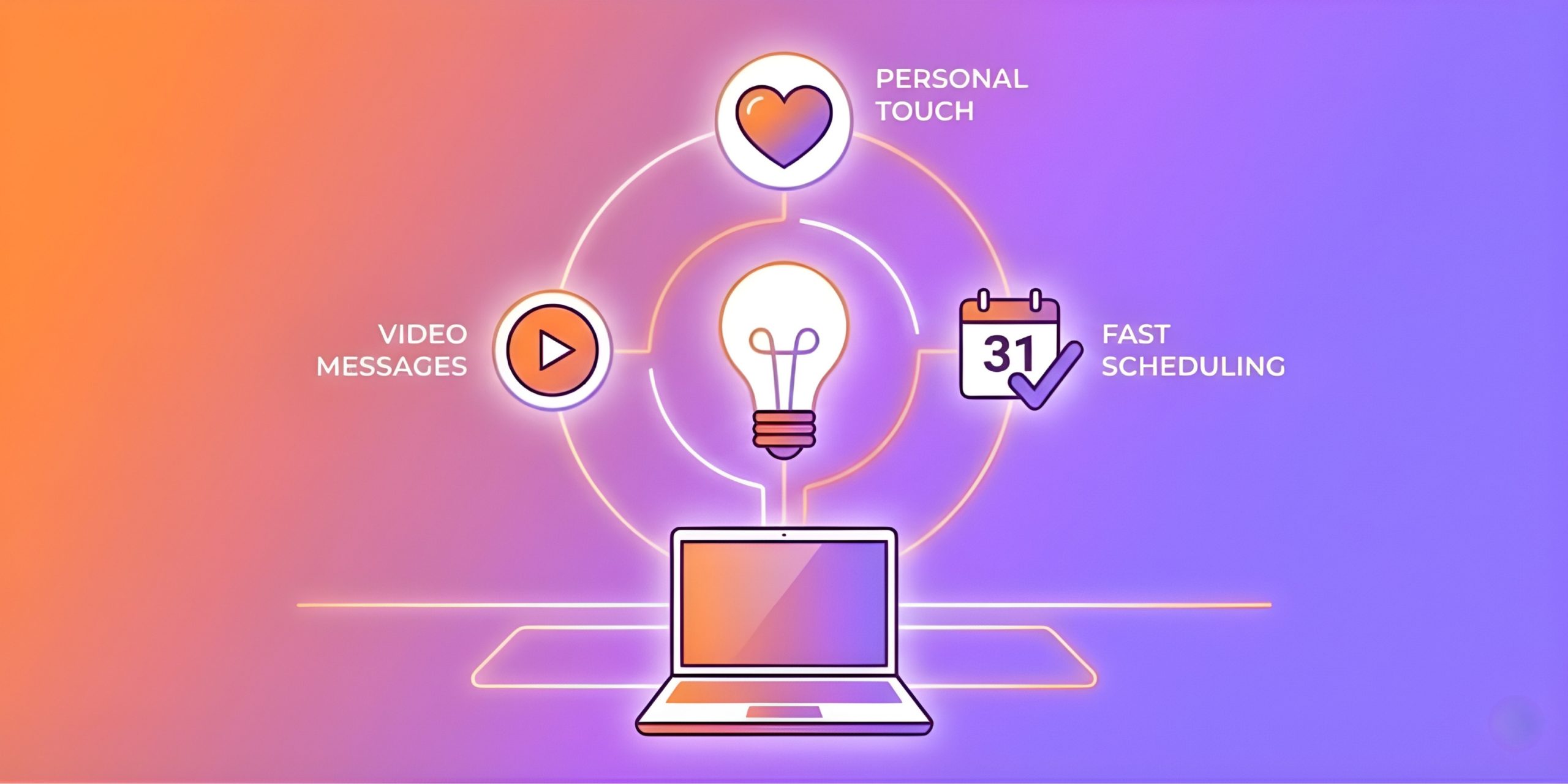
1. Over-communicate
In remote contexts, candidates can't read body language or pick up office signals. Compensate with explicit, frequent communication. Send a "what to expect" guide before the first interview. Confirm scheduling 24 hours ahead. Update after each stage even if the news is "still being decided."
2. Use video for human touch
Loom or Vidyard messages from the hiring manager or future teammate add personality that text cannot. A 60-second video from the hiring manager personally inviting the candidate to a final round produces dramatically better acceptance rates than a templated email.
3. Show the team early
Even for remote roles, candidates want to picture the people they'd work with. Virtual office tours, team intro calls, casual coffee chats with future colleagues — all build the emotional connection that closes hires.
4. Be transparent about hybrid expectations
If the role is hybrid, communicate office days, travel expectations, and team norms early. Surprise expectations at offer stage destroy trust and often kill the deal.
5. Use thoughtful recruitment marketing
Behind-the-scenes content, real employee stories, honest culture documentation — these signal authenticity in ways polished careers pages don't.
6. Close the loop on rejections
Candidates remember how you treated them when you said no. A thoughtful, prompt rejection — with specific feedback where possible — builds the future talent pool and the employer brand.
Balancing Automation and Human Touch
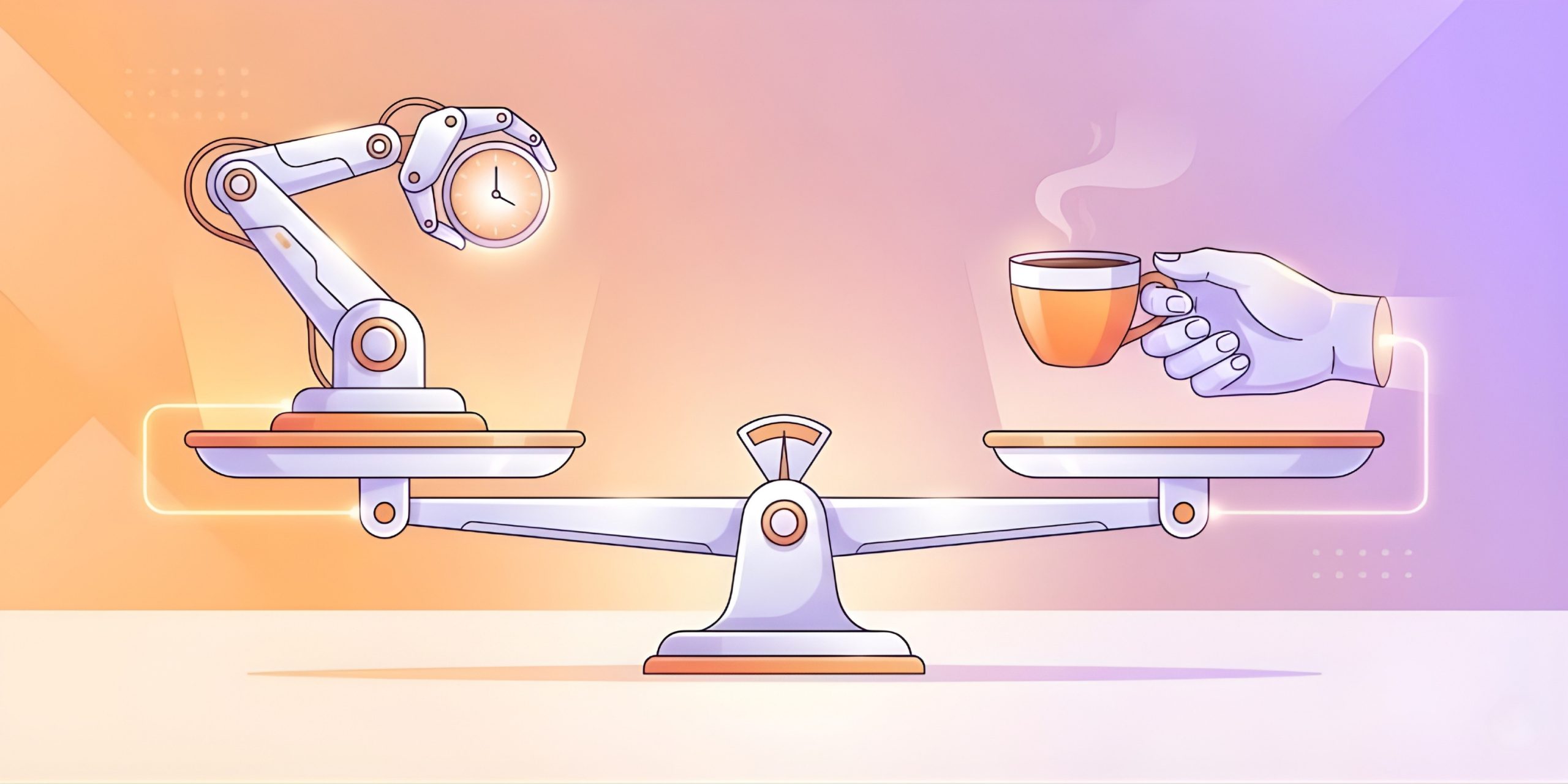
The right division of labour:
| Automate | Keep human |
|---|---|
| Application acknowledgement | Initial recruiter screen |
| Scheduling and confirmation | Hiring manager interviews |
| Status updates between stages | Cultural and team conversations |
| Assessment delivery | Offer call |
| Reference request workflows | Feedback on rejections |
| Reminder nudges | Post-offer relationship building |
Automation ensures no candidate gets forgotten; humans ensure no candidate feels processed. Together they produce engagement at scale.
How to Measure Candidate Engagement
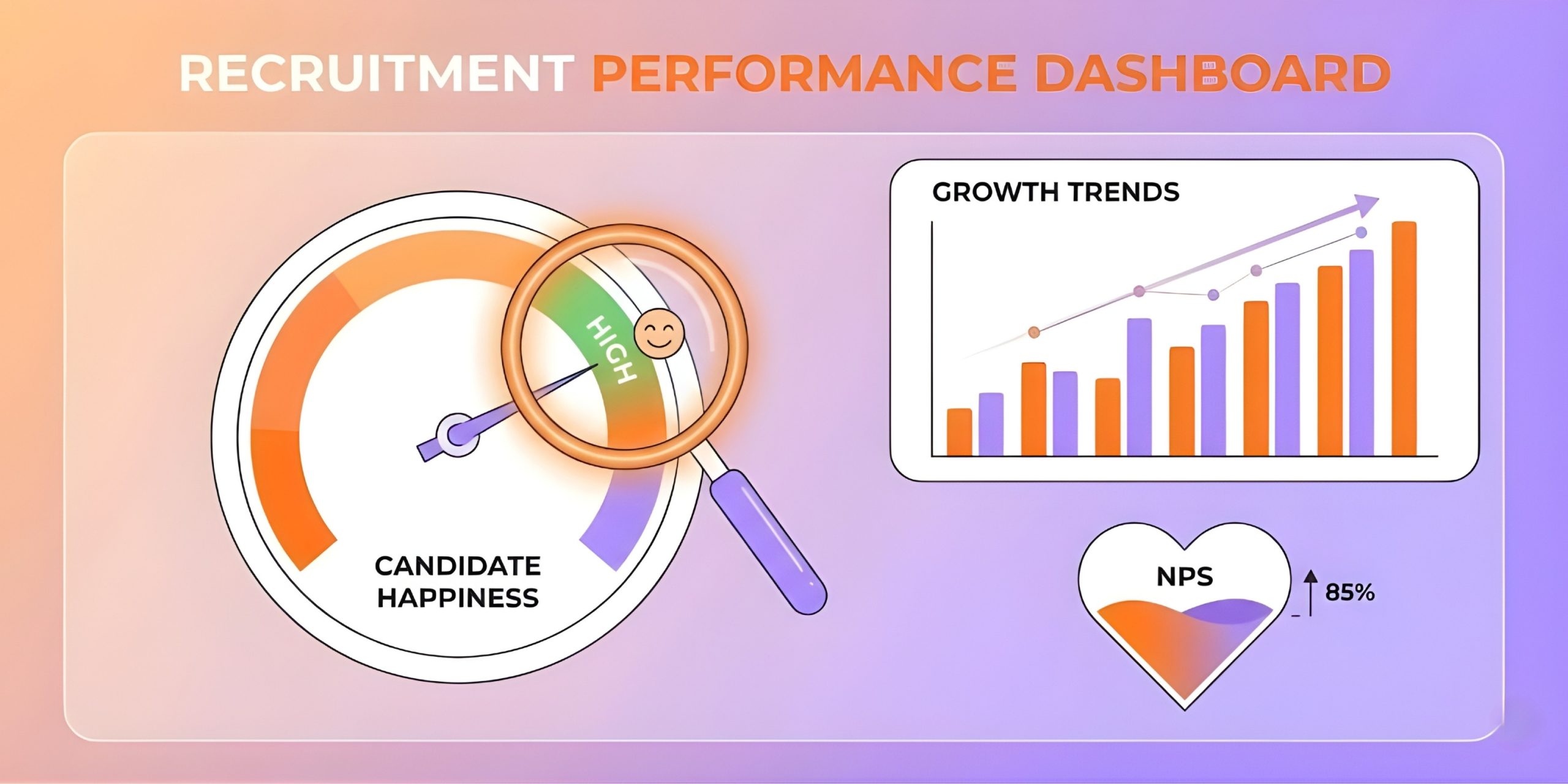
Four metrics that consistently show whether engagement is working.
Candidate Net Promoter Score (cNPS)
Survey every candidate — including rejected ones — about their experience. The score reveals whether the process feels respectful and well-run regardless of outcome.
Response rate
How quickly candidates reply to outreach. Falling response rates signal disengagement before it shows up as ghosting.
Drop-off rate per stage
Where exactly are candidates leaving the funnel? The stage with the highest drop-off is where engagement is breaking down.
Time-to-hire
Remote hiring should be faster than in-office hiring (no travel coordination). If yours is slower, engagement is suffering somewhere.
Common Engagement Mistakes

Five anti-patterns to avoid.
Distracted interviewers
Notifications, multitasking, half-attention. Candidates notice immediately. The interview is the team's audition for the candidate too — treat it that way.
Post-offer ghosting
The recruiter who spent weeks engaging goes silent the moment the contract is signed. Counter-offers and buyer's remorse fill the silence. Stay active until start date.
Generic rejection emails
Templated rejections damage the employer brand more than they save time. Personalised feedback — even brief — turns rejected candidates into future referrers and customers.
Forgetting silver medalists
Strong candidates who didn't get the role often fit another opening within months. Without engagement, you lose them. With engagement, they become the easiest hire next time.
Long unexplained gaps
Anything beyond 4 business days without communication starts costing candidate confidence. Even "we're still in deliberation, decision by Friday" beats silence.
The Bottom Line
Candidate engagement is the substitute for the physical culture cues that remote hiring removed. The companies that engage well — proactive communication, video personalisation, transparent timelines, automation that prevents silence, humans that build relationships — consistently outhire competitors despite often offering similar compensation. The companies that treat engagement as optional discover that "top talent is hard to find" usually means "top talent doesn't tolerate poor process anymore." The discipline is teachable; the impact is significant; the cost of doing it well is dramatically less than the cost of doing it badly.
FAQs
What causes candidate drop-off in remote hiring?
Most drop-off traces to silence — applications without acknowledgement, long gaps between interview rounds, or post-interview vagueness. Candidates assume "no news" means "no interest" and move on to companies that respond promptly.
Can automation actually improve candidate experience?
Yes, when used for status updates, scheduling, and acknowledgements. Automation prevents the silence that kills engagement. It fails when used to replace genuine human conversation about culture, the role, or the candidate's career questions.
How often should recruiters communicate with active candidates?
At least once every 3-4 business days, even if there's no news. A brief "we're still in deliberation; decision by Friday" beats total silence by a large margin in trust and retention.
Should I provide feedback to rejected candidates?
Yes — specific, brief, respectful feedback. The candidates you reject talk about their experience. Thoughtful rejections build the employer brand; generic ones erode it.
What's the biggest engagement mistake companies make in remote hiring?
Treating "they applied" as the same as "they're committed." Remote candidates have lower switching costs, more options, and faster ghost-tolerance. Engagement discipline closes the gap between application and offer accept.
Keep reading


