

Agile Workforce vs Traditional Workforce: The Differences That Matter
The agile workforce model trades fixed roles for adaptability — what each approach actually means, where each wins, and how companies are shifting.
Ployo Team
Ployo Editorial
TL;DR
- Traditional workforces optimise for predictability; agile workforces optimise for adaptability.
- Agile structures use cross-functional teams, decentralised decisions, and continuous reskilling instead of fixed silos and approval chains.
- HR organisations using agile models report around 20% higher employee engagement than traditional ones.
- The shift is driven by accelerating market change, hybrid work, and technology cycles that outpace traditional planning horizons.
- Building agility well requires structure, leadership change-management, and skill development — it is not free.
When markets change quickly, fixed structures break. A traditional workforce, with its rigid job descriptions and long approval chains, was built for a slower world. The agile workforce model trades that structure for adaptability — cross-functional teams, faster decisions, continuous skill development. This guide breaks down what each model actually is, the differences that matter in practice, why companies are shifting, and the real benefits and challenges of going agile.
What an Agile Workforce Actually Is
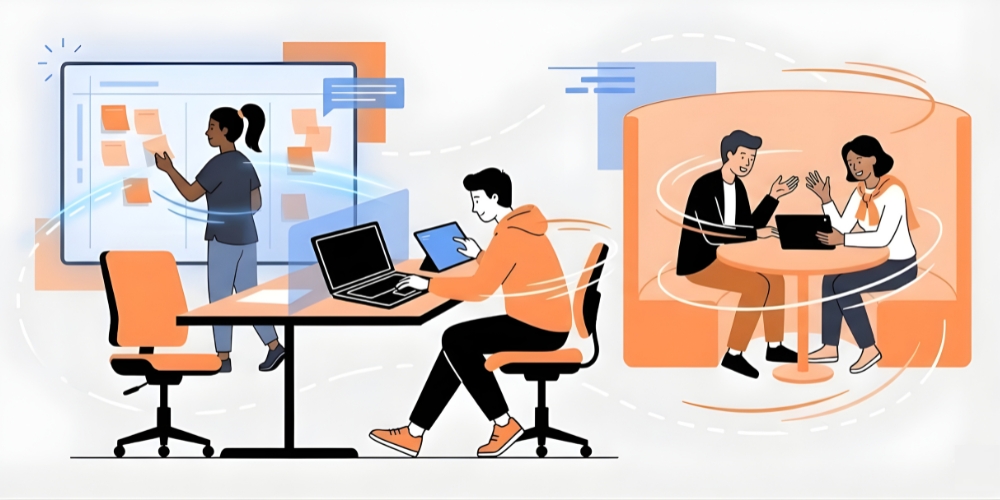
An agile workforce is structured to adapt, learn, and deliver in fast-changing conditions. It is not just flexible hours or remote work — it is a structural change in how teams are formed, how decisions are made, and how quickly the organisation responds to new information.
The defining features:
- Cross-functional teams instead of fixed silos. People work in role configurations that match the current problem, not last year's org chart.
- Decentralised decision-making. Approval chains compress; teams can move without waiting for committee sign-off.
- Continuous learning and reskilling. Job descriptions evolve as roles shift; static credentials matter less.
- Tools and processes designed for fast pivots. Real-time dashboards, lightweight planning, fast feedback loops.
- Anticipatory planning. Agile workforce planning reassesses regularly rather than locking in annual assumptions.
The results are measurable. McKinsey's research on agile HR organisations found that companies running agile HR models saw roughly 20% higher employee engagement than those running traditional structures.
Building this kind of workforce also requires agile recruitment practices — hiring for adaptability and learning ability rather than narrow role-specific skills — and modern AI recruiting tools that handle the pace.
What a Traditional Workforce Looks Like
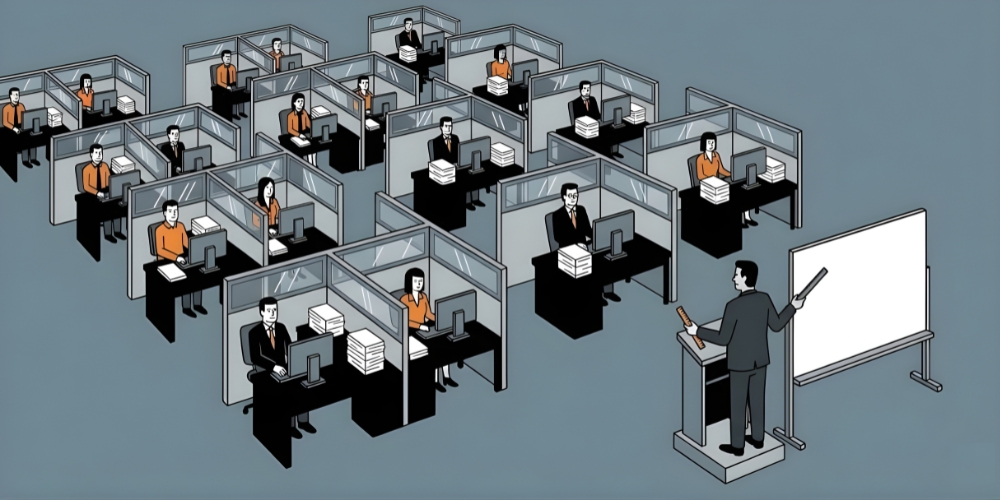
A traditional workforce is the model most organisations grew up with. Clear job titles, hierarchical layers, defined responsibilities, fixed schedules, and predictable career paths. It works extremely well when the environment is stable.
Typical features:
- Top-down decisions. Leadership decides; instructions flow downward through defined chains.
- Fixed roles. Each employee has a defined scope and stays within it.
- Long planning horizons. Annual or multi-year plans with fixed assumptions.
- Stable workforce composition. Change happens in discrete phases rather than continuously.
- Tools optimised for predictability. Designed for steady workflows, not rapid pivots.
The drawback shows up when conditions change. Customer preferences shift, technology evolves, competitors emerge — the traditional workforce often struggles to keep pace. Organisations frequently discover this exactly when adapting fastest matters most, which is when teams typically rethink their workforce strategy.
Agile vs Traditional: The Differences That Actually Matter
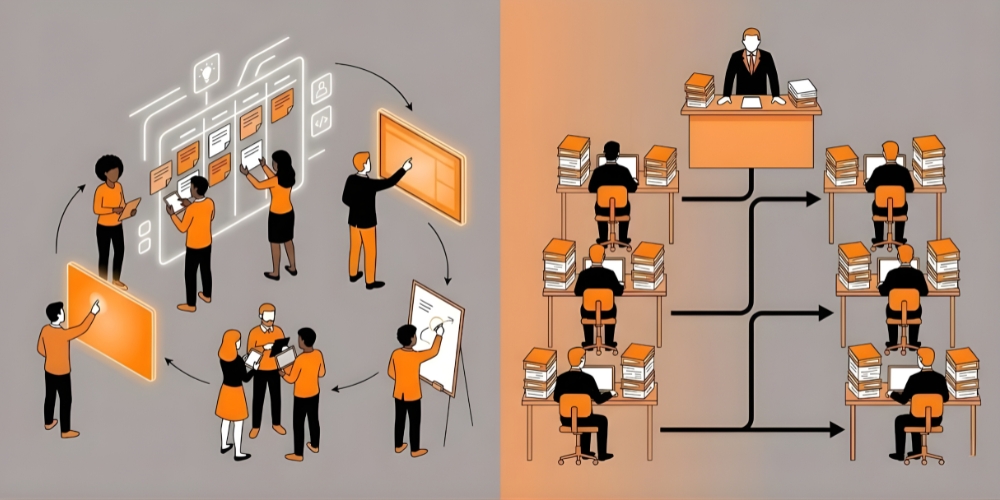
| Dimension | Traditional Workforce | Agile Workforce |
|---|---|---|
| Structure | Hierarchical, fixed roles | Cross-functional, role fluidity |
| Decisions | Centralised, slow | Decentralised, fast |
| Planning horizon | Long-term, fixed | Short cycles, frequent reassessment |
| Response to change | Reactive, slower | Proactive, designed to pivot |
| Skill development | Roles defined by JDs | Continuous learning emphasis |
| Tech adoption | Slower | Open, real-time tooling |
| Work environment | Fixed schedules and locations | Hybrid and flexible |
| Project methodology | Waterfall, long phases | Iterative, fast feedback |
| Marketing | Campaign-driven | Sprint-driven, data-adaptive |
| Underlying philosophy | Stability and predictability | Adaptation and change-readiness |
Neither model is universally superior — they optimise for different conditions. The question is which conditions your organisation actually faces.
Why Companies Are Shifting Toward Agility
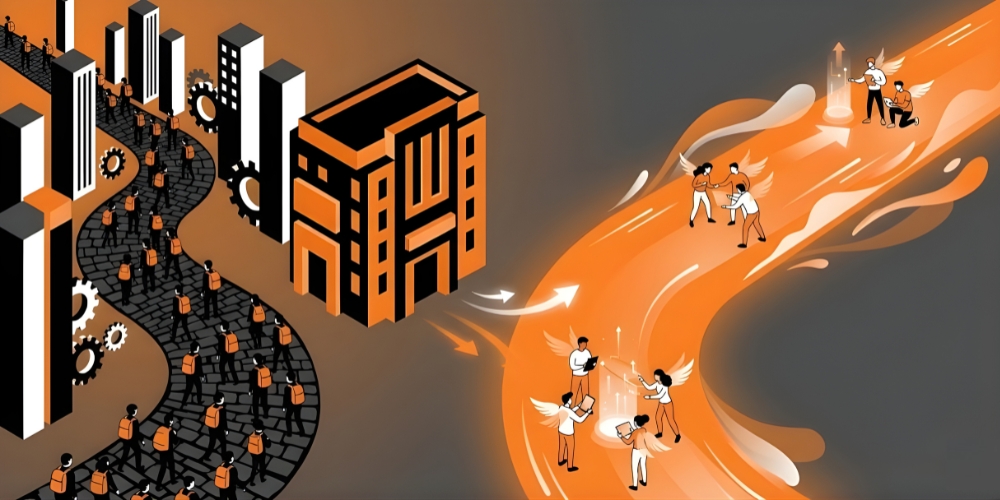
The shift is driven by changes that are not slowing down.
Market change is accelerating
Customer expectations evolve faster, competitive moves arrive sooner, technology cycles compress. A planning model designed for stable conditions cannot keep pace.
Hybrid work has reshaped operations
Distributed teams, multiple time zones, varied tooling — flexibility is now operationally necessary, not optional. Agile workforce solutions are increasingly strategic rather than experimental.
Technology adoption pressure
AI, automation, and new platforms hit almost every department. Workforces that can absorb new tools quickly outperform those that take quarters to adapt.
Talent expectations have changed
Skilled professionals increasingly expect autonomy, growth opportunities, and meaningful work. Rigid traditional structures often lose these candidates to more adaptive competitors.
The Benefits of an Agile Workforce
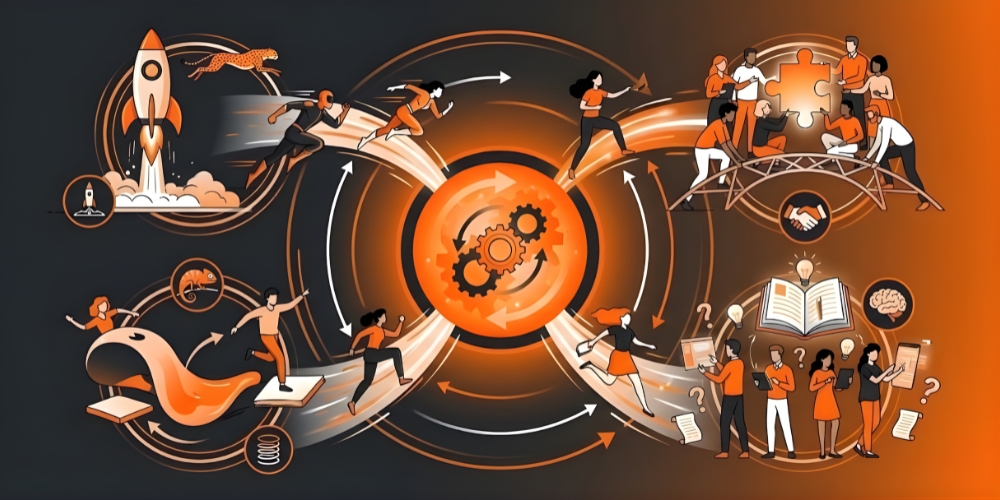
Five benefits show up consistently in well-implemented agile organisations.
Faster response to change
When customer needs or market conditions shift, agile teams move in days rather than waiting through approval cycles.
Better innovation
Cross-functional teams bring diverse skills together. The mix produces fresher ideas, faster experimentation, and stronger collaboration.
Stronger employee engagement
Autonomy, variety, and ownership consistently increase engagement. McKinsey's 20% engagement lift in agile HR organisations is one of the more reliable findings in this space.
More accurate planning
Short cycles and continuous reassessment produce planning that reflects current reality rather than last quarter's assumptions.
Better alignment with modern tooling
Agile teams adopt and integrate new technology much faster — a compounding advantage as the pace of tooling change increases.
The Challenges of Going Agile
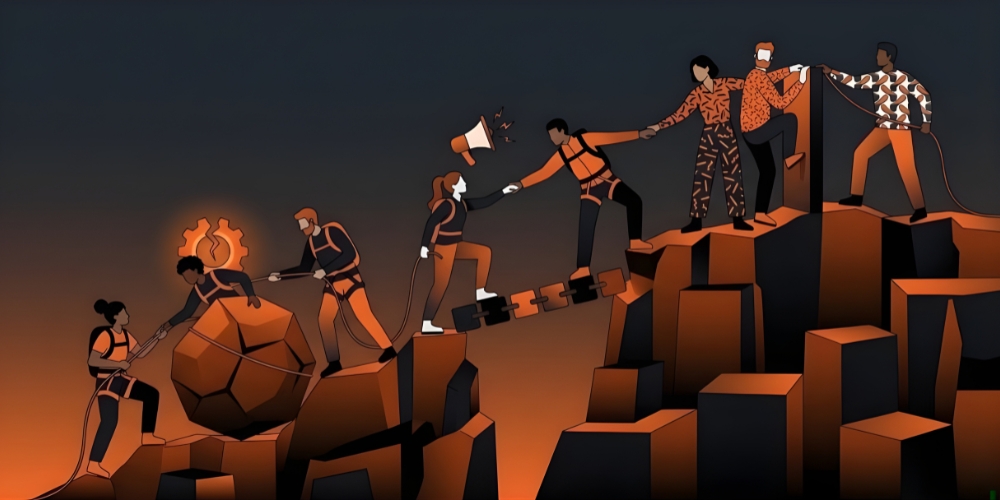
Agility is not free. Four challenges show up reliably.
Cultural resistance
Employees accustomed to fixed roles can feel unsettled by fluidity. Leadership has to actively communicate the change, provide training, and make the new norms visible.
Skill gaps
Agile workforces require learning agility — the ability to pick up new skills and shift between responsibilities quickly. Without strong learning programs, the transition stalls.
Coordination demands
Cross-functional teams need high visibility and frequent communication. Without good information flow, teams move in conflicting directions. Modern collaboration tooling is required, not optional.
Manager readiness
Leaders trained on directive management often struggle to coach autonomous teams. The mindset shift — from controlling tasks to guiding outcomes — is the largest single change for first-line managers.
Pay particular attention to manager readiness. The technical and structural changes are easier than the management-style adjustments they require.
The Bottom Line
The shift from traditional to agile workforce models is not a fashion. It is a response to accelerating change in markets, technology, and talent expectations. Agile structures deliver faster decisions, stronger engagement, better innovation, and planning that reflects current reality — but they require deliberate cultural change, learning investment, and management adaptation to succeed. The companies that get this right build a meaningful structural advantage. The companies that resist tend to discover, eventually, that the costs of rigidity exceed the costs of change.
FAQs
What is the main difference between agile and traditional workforces?
Traditional workforces optimise for predictability through fixed roles and hierarchies. Agile workforces optimise for adaptability through cross-functional teams and decentralised decisions.
What tools support agile workforce management?
Digital collaboration platforms (Slack, Notion, Linear), workflow tools, real-time dashboards, and communication systems that support short cycles and continuous reassessment.
Why are companies adopting agile workforce strategies now specifically?
Accelerating market change, hybrid work patterns, and rapid technology adoption have made rigidity expensive. Companies need workforces that can adapt without lengthy approval cycles.
Can agile workforce models work in highly regulated industries?
Yes, with thoughtful adaptation. Regulated industries usually retain more formal structure in compliance-sensitive areas while running agile models in product, marketing, and operations. The hybrid works.
What is the single biggest mistake teams make when shifting to agile?
Underestimating the management-style change required. The structural changes are visible and discussed; the manager-mindset change often gets skipped, which is why so many agile transitions stall at the middle-management layer.


