

Agency vs In-House Recruitment: Why AI Makes Hybrid the Right Answer
The agency-vs-in-house debate misses the modern answer — hybrid models with AI orchestration deliver speed, brand alignment, and scale at the same time.
Ployo Team
Ployo Editorial
TL;DR
- The "agency vs in-house" debate is increasingly obsolete — modern teams use both, orchestrated by AI.
- In-house recruiters deliver brand knowledge, internal alignment, and long-term cultural fit.
- Agency recruiters deliver speed, network reach, and niche-skill access.
- AI orchestrates the model — screening, scheduling, matching — making the hybrid economically viable.
- The biggest pitfalls: data silos between agency and in-house, over-automation, and untrained teams.
For years, hiring teams have framed the decision as agency vs in-house recruiting — pick a side and live with the trade-offs. That framing is increasingly obsolete. The modern answer is hybrid: in-house for brand and culture, agency for speed and reach, AI as the orchestration layer that makes the two work together. This guide walks through why the old debate misses the mark, what the hybrid model actually looks like, and the practical pitfalls to avoid when building one.
Why the Debate Existed in the First Place
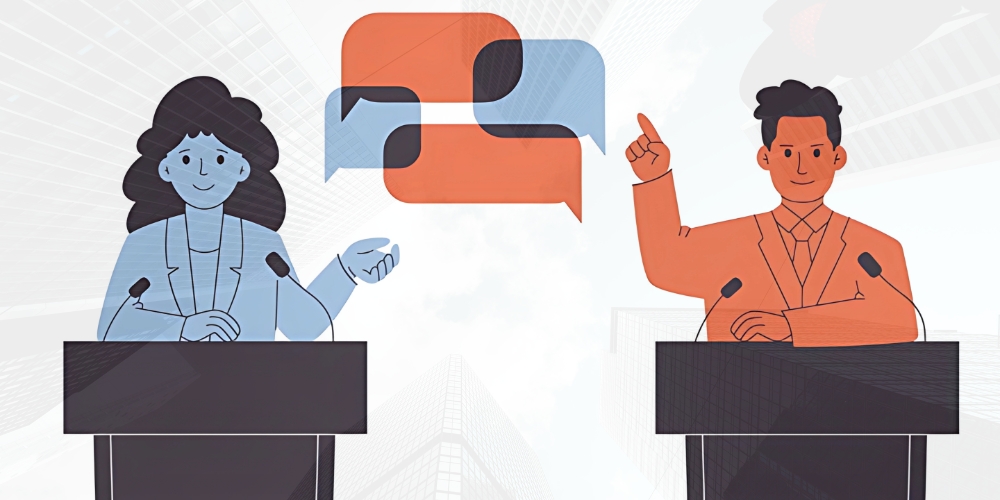
The choice has historically come down to three trade-offs: cost, candidate quality, and how well the hiring strategy fits the company's mission.
Where in-house recruiting wins
- Deep brand knowledge and internal alignment
- Better access to hiring managers and stakeholders
- Stronger long-term talent pipelines
- Cultural sensitivity that an external partner cannot easily replicate
Where agency recruiting wins
- Broader market reach and existing candidate networks
- Specialised expertise in niche or executive-level searches
- Ability to scale quickly during hiring surges
- Fast turnaround on urgent or hard-to-fill roles
For growing companies — particularly in fast-moving markets like the UAE, where competition for talent is intense and nationalisation programs reshape hiring needs — picking one model alone leaves real value on the table. Even with strong recruiting fundamentals, traditional models cannot keep up with current hiring velocity.
How AI Changed the Equation
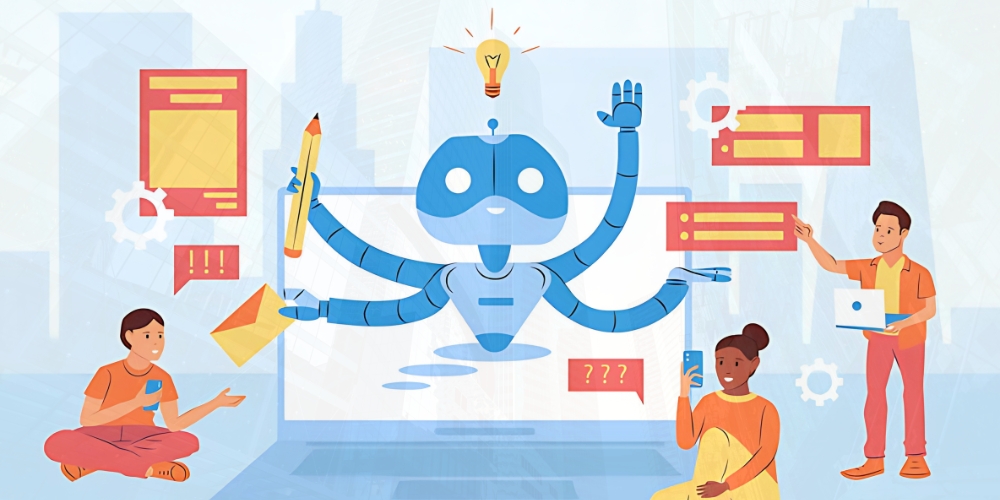
AI is not replacing recruiters — but it has dramatically changed the economics of both models.
Hirebee's research found that 44% of companies using AI in recruiting saw time-to-hire drop by roughly 50%. From resume parsing to skill-based candidate ranking, AI now handles the mechanical work that consumed most recruiter hours in both in-house and agency contexts.
The UAE specifically is seeing rapid adoption. The International Association of Accounting Professionals reports roughly 90% growth in AI-driven recruitment adoption in the UAE since 2022.
AI's real contribution: it makes the hybrid model economically viable. Without it, running both in-house and agency channels meant duplicated effort and conflicting data. With AI as the connective layer, the two channels feed one coherent funnel.
What a Modern Hybrid Model Actually Looks Like

The hybrid model assigns each component to what it does best.
- In-house team — internal mobility, culture-fit screening, employer brand, long-term pipeline development
- Agency partners — hard-to-fill roles, executive search, surge capacity, specialist niches
- AI layer — sourcing automation, resume screening, structured interview support, scheduling
The AI sits across both channels, providing a shared source of truth. Candidate data, scoring, and pipeline status flow into one view regardless of whether the candidate came through an internal sourcing search or an agency.
Several leading UAE companies are running this model already. Careem, for example, runs a hybrid stack where AI handles screening and scheduling, in-house teams handle culture-side evaluation, and agencies plug into the same applicant tracking system. The result: faster fills, less bias, and a single coherent funnel rather than parallel competing channels.
Common Pitfalls When Building a Hybrid Model

Four predictable mistakes that derail hybrid implementations.
AI in silos
If your agency partner uses one platform and your in-house team uses another, the data fragments and candidate experience suffers. Every channel in the hybrid model must share the same underlying ATS or data layer.
Over-automation
AI making rejection decisions without human oversight produces both bad outcomes and legal exposure. AI should assist judgement, not replace it — especially on culture-fit and final-round decisions.
Underestimating change resistance
A new hybrid model fails if recruiters — internal or agency — are not trained on the shared tooling, the data conventions, and the new process. Implementation is a change-management exercise as much as a technology one.
Unclear KPIs
If in-house and agency partners measure success differently — time-to-fill, cost-per-hire, hire quality — the hybrid model produces friction rather than synergy. Align KPIs upfront.
What to Hire In-House, What to Outsource, What to Automate
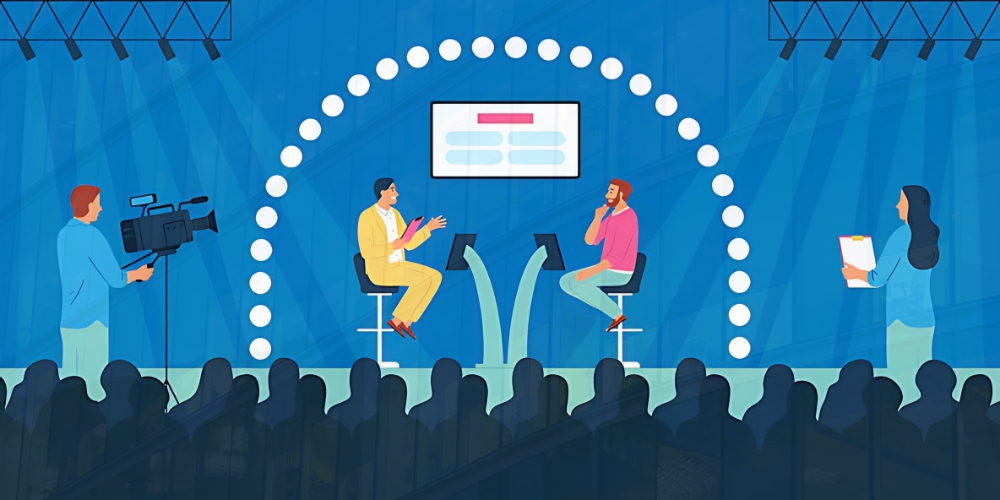
Three clear principles for splitting the work.
Hire in-house when
- The role requires deep internal knowledge
- Long-term engagement and culture-shaping matter
- Specialised domain expertise that pays back over years
- The role's success depends on internal stakeholder relationships
Typical in-house seats: HRBPs, employer-branding leads, specialist tech recruiters with deep domain knowledge.
Outsource to agencies when
- The hiring need is project-based or seasonal
- Niche executive search where the internal team lacks reach
- Surge hiring during major scaling moments
- Markets where the in-house team lacks geographic reach
Automate when
- The task is repeatable (resume screening, scheduling, candidate engagement at scale)
- Speed matters more than human judgement
- Volume justifies the configuration cost
- The data already exists to make the model accurate
The clean separation lets each channel operate at its strength without stepping on the others.
The Bottom Line
The agency vs in-house recruiting debate misses the modern answer. The real question is how you orchestrate a hybrid model — in-house for brand and culture, agency for reach and surge, AI for the mechanical work that ties them together. Done well, the hybrid produces faster hiring, better cultural alignment, and scale that neither model could deliver alone. The teams that get this right turn recruiting from a cost-centre activity into a genuine competitive advantage. The teams that keep arguing about which side wins quietly fall behind.
FAQs
Is hybrid recruitment realistic for small companies?
Yes — and arguably more important for them. Small teams cannot afford to over-invest in either pure in-house or pure agency. A lean in-house function paired with agency support for specific gaps and AI for the volume work scales better than either alone.
Will AI eventually replace recruiters?
No. AI changes how recruiters work — removing the manual screening and scheduling load — but the judgement, relationship-building, and negotiation that close offers remain firmly human. The role gets sharper, not redundant.
What is the biggest mistake teams make adopting a hybrid model?
Running in-house and agency channels on separate systems. The fragmentation produces duplicate outreach, conflicting candidate experiences, and lost data. One shared ATS is non-negotiable.
How do you measure success across a hybrid model?
Track time-to-fill, cost-per-hire, hire quality at 90 days, and candidate experience scores — for the funnel as a whole, not per channel. Channel-level metrics matter operationally; portfolio-level metrics matter strategically.
Are there situations where pure in-house or pure agency still makes sense?
For very small teams, pure in-house can work. For ad-hoc highly specialised executive searches, pure agency engagement still wins. The hybrid model dominates everything in between.


