

Minimum Working Age: Country-by-Country Guide for Young Workers
Minimum working ages range from 13-16 across countries — the global rules, job-type exceptions, and what teens and young adults can actually work.
Ployo Team
Ployo Editorial

TL;DR
- Global minimum working ages range from 13 (UK, Australia, Denmark light work) to 16 (Italy, France, China).
- US federal law allows light non-agricultural work at 14, full-time at 18.
- ILO reports 138 million children in child labour in 2024 — laws exist for real reasons.
- Job-type exceptions: entertainment, family farms, apprenticeships, seasonal work.
- Most online platforms (Upwork, Fiverr, PayPal) require users to be 18+.
The "how old do I have to be to work" question has dozens of right answers depending on country, job type, and specific exceptions. Teenagers worldwide hit working age between 13 and 16 in most cases, with the broadest opportunities opening at 18. This guide walks through global minimum age laws, the job-type exceptions that matter most, and what realistic work looks like at different ages.
Why Minimum Working Age Laws Exist
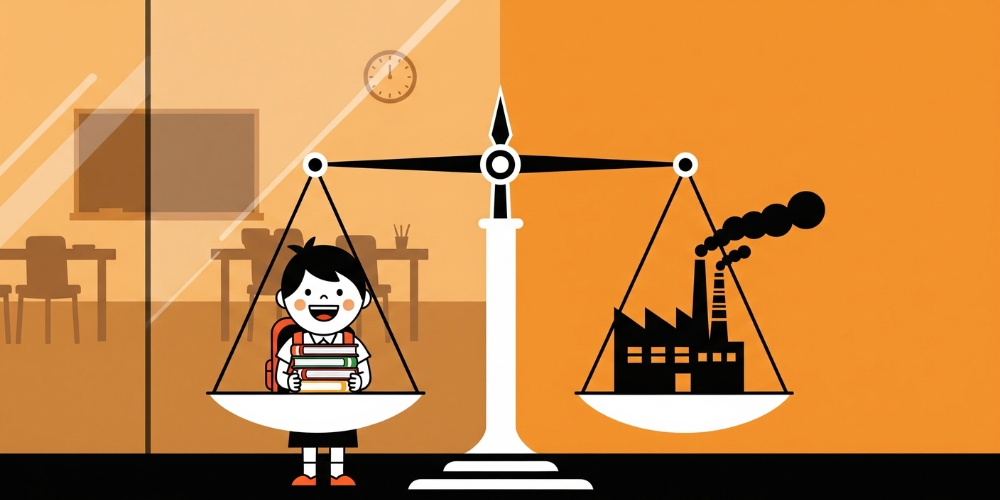
Two purposes drive minimum working age laws.
Protection from exploitation
ILO 2024 reporting shows 138 million children in child labour globally, nearly half in hazardous work. The laws exist because abuse is real and ongoing.
Education priority
Most countries' minimum working ages align with compulsory schooling ages — work after school, not instead of school. The structure protects long-term outcomes by preserving education access.
When workers reach adulthood (typically 18), the legal framework shifts entirely — full-time work, contract signing, financial autonomy all become available.
Global Minimum Working Ages

A focused look at major countries. ILO recommends 15 as the standard minimum; many countries allow 13-14 for light work with restrictions.
| Country | Min age | Notes |
|---|---|---|
| United States | 14 | Restricted hours until 16; full-time at 18 |
| United Kingdom | 13 (light) | Full-time after compulsory school (16) |
| Canada | 14-16 | Province-dependent — Alberta 14, Quebec 15 |
| Australia | 13 | State variations; delivery/retail earlier in some states |
| Germany | 15 | Youth Employment Protection Act; apprenticeships from 16 |
| France | 16 | 14 for apprenticeships during school holidays |
| Japan | 15 | After compulsory schooling; night-work limits |
| China | 16 | Strict enforcement; limited family/training exceptions |
| India | 14 | No hazardous industries until 18 |
| Brazil | 14 (apprenticeship) | 16 for jobs; 18+ for hazardous |
| UAE | 15 | 15-18 need permits; no night/hazardous work |
| South Africa | 15 | Hazardous work only from 18 |
| Mexico | 15 | No hazardous work under 18 |
Most other countries fall within the 14-16 range with similar restriction patterns. Local Department of Labour or equivalent agency websites provide authoritative country-specific guidance.
Special Exceptions to Minimum Age
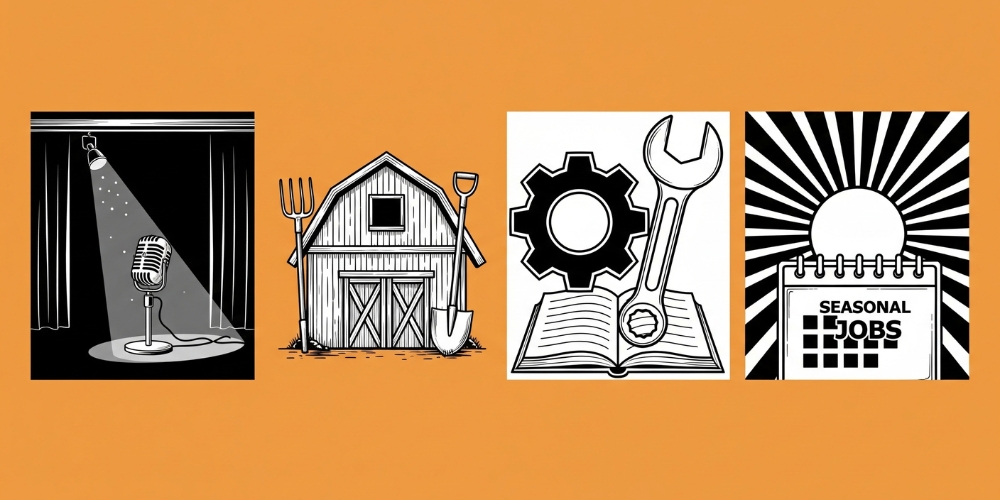
Five categories where minimum age rules flex.
1. Entertainment industry
Child actors, models, and musicians can work much younger (often from age 5-6) under strict permit and hour limits. California, New York, and many other jurisdictions have specific frameworks.
2. Family businesses and farms
Many countries allow younger work in family enterprises or farms. In the US, children of any age can work on a farm owned by their parents (with safety restrictions). India and similar countries allow children to help with non-hazardous family enterprises.
3. Apprenticeships
Germany, France, Switzerland, and similar countries allow structured apprenticeships from 14-15. These programs combine work with formal education and have specific hour and safety regulations.
4. Holiday and seasonal work
Some countries relax restrictions during school holidays. France allows 14-year-olds up to 35 hours/week during summer; similar patterns exist in other European countries.
5. Online and freelance work
A grey area. Most platforms (Upwork, Fiverr, PayPal) require users to be 18+. YouTube allows monetisation from 13 with parental supervision. Online freelance work is technically subject to the same age laws but enforcement is inconsistent.
How Job Type Affects Working Age
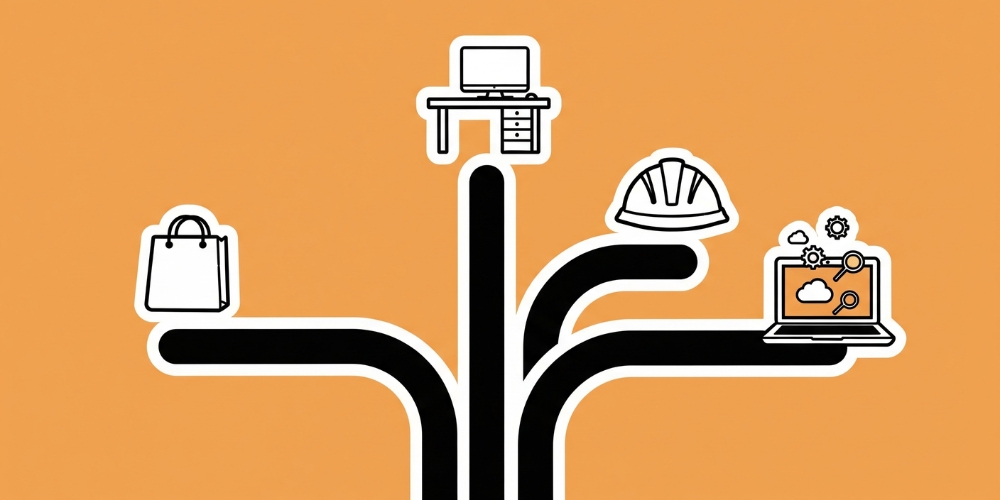
Six job categories with different age accessibility.
Retail and food service
Most accessible for younger teens. US federal law allows 14-15 year olds in entry-level retail and food service with hour restrictions. By 16, restrictions ease significantly.
Office and administrative
Usually requires 16+. Internships sometimes allow earlier with school permission. Full administrative roles typically start at 18.
Hazardous or regulated work
Construction, mining, factory work, heavy machinery, explosives — restricted to 18+ in most countries regardless of broader minimum age. The restrictions are typically non-negotiable for safety reasons.
Apprenticeships and vocational training
14-15 in many European countries; 16-18 in most other regions. Structured programs combine work with formal training and provide pathways into skilled trades.
Online and freelance work
Most platforms 18+. YouTube and similar content platforms allow 13+ with parental supervision. Direct freelance arrangements technically follow age law but enforcement is loose.
Government and public sector
Typically 18+ minimum. Some governments require 21 for specific roles. Public sector employment usually requires legal adult status.
What Teens Should Know Before Starting
Five practical considerations for young workers.
1. Know your local laws
Check your specific country, state, and city. Federal law sets minimum; local laws can add restrictions.
2. Get required permits
Many jurisdictions require work permits for minors. School offices often help with the process.
3. Balance with education
Most jurisdictions cap weekly hours for minors during school year (typically 20-30 hours/week). Better policy than legal floor — protect academic performance.
4. Understand pay rates
Minimum wage applies; youth minimum wages exist in some jurisdictions for the first 90 days. Know your applicable rate.
5. Safety and rights
OSHA in the US (and equivalent agencies elsewhere) protect minor workers from hazardous conditions. Report unsafe conditions.
What Opens at 18
At 18, the legal framework shifts substantially.
- Legal adult status in most countries
- Contract signing without parental approval
- Most jobs become available (except select 21+ roles)
- Full-time work without restrictions
- Online platform access expands dramatically
- Sign-on benefits, equity, complex compensation
- Some financial products (credit, loans)
The teens turning 18 often see their job options widen dramatically — high paying jobs for 18 year olds in trades, technical roles, retail management, and digital careers all open simultaneously.
The Bottom Line
Minimum working age laws vary widely by country, job type, and specific exception — but the general pattern is consistent: 13-16 with restrictions, 18 for unrestricted adult employment. Younger teens have real options through family businesses, entertainment, apprenticeships, seasonal work, and some online platforms. By 18, the legal infrastructure aligns with most career paths. Knowing the specific rules for your location and target job type prevents wasted application time and legal issues. The compounding effect of working through your teen years — income, skill-building, professional habit development — is significant, but balance with education matters more.
FAQs
Can you work at 14 in the US?
Yes — federal FLSA permits 14 as minimum for most non-agricultural jobs, with hour and job-type restrictions until 16.
What's the youngest legal working age globally?
13 in some countries for light work (UK, Australia, Denmark). 14-15 is the standard minimum in most jurisdictions per ILO recommendation.
Can teenagers work full-time?
Generally not until 16 in most countries, with full unrestricted work at 18. Under-16 workers are typically limited to part-time or seasonal employment.
Do online jobs follow minimum age laws?
Technically yes. Practically — enforcement varies. Most major platforms (Upwork, Fiverr, PayPal) require users to be 18. YouTube allows monetisation from 13 with parental supervision.
What's the most important thing to check before starting work as a minor?
Your specific local laws (state/province/city, not just country) and required work permits. The federal floor often has local additional restrictions worth knowing.
Keep reading

Working in Japan as an American: The Recruiter's Reality Check

Salary vs Hourly Pay: Which Compensation Model Wins in 2026?
