

Working Two Jobs Without Burning Out: A Practical Approach
Holding two jobs is possible — but it requires schedule discipline, smart role pairing, and explicit recovery time. The strategies that actually work.
Ployo Team
Ployo Editorial

TL;DR
- 76% of employees already experience burnout symptoms from one job (Gallup).
- Check your contract — many roles restrict moonlighting, especially in government, healthcare, and finance.
- Cap total hours at 55–60 per week; beyond that, health and performance both degrade.
- Pair jobs that don't tax the same energy — mental + physical works better than two mentally heavy roles.
- Watch for fatigue, performance dips, mood changes, and social withdrawal as burnout warning signs.
Working two jobs is increasingly common — cost of living, debt repayment, skill diversification all drive people into dual roles. It's doable, but it's not free. The people who sustain dual jobs long-term don't just power through; they design their lives around it. This guide covers what works, what doesn't, and the warning signs that mean it's time to pull back.
Is It Really Doable?
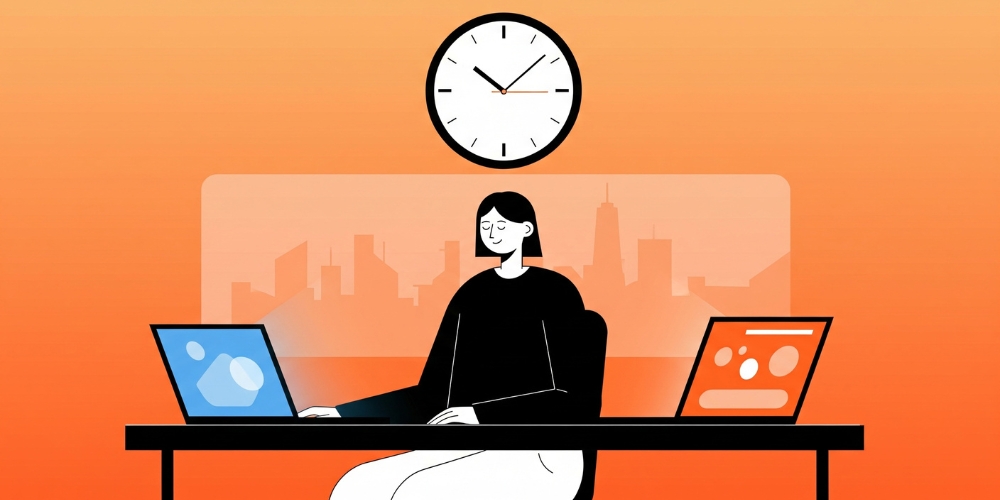
Yes — with conditions. Whether it works depends less on the roles themselves and more on the life structure around them.
Two full-time roles is technically possible but realistically punishing. Gallup research shows 76% of employees already experience burnout symptoms from a single role. Doubling that without explicit boundaries accelerates exhaustion fast.
Most successful dual-job holders combine:
- One full-time + one part-time/flexible role
- Two part-time roles with complementary hours
- One traditional job + freelance/gig work
Legal considerations matter too. Check your contract for non-compete or anti-moonlighting clauses. Government, healthcare, finance, and defence roles often restrict outside employment to prevent conflicts of interest.
10 Strategies That Work
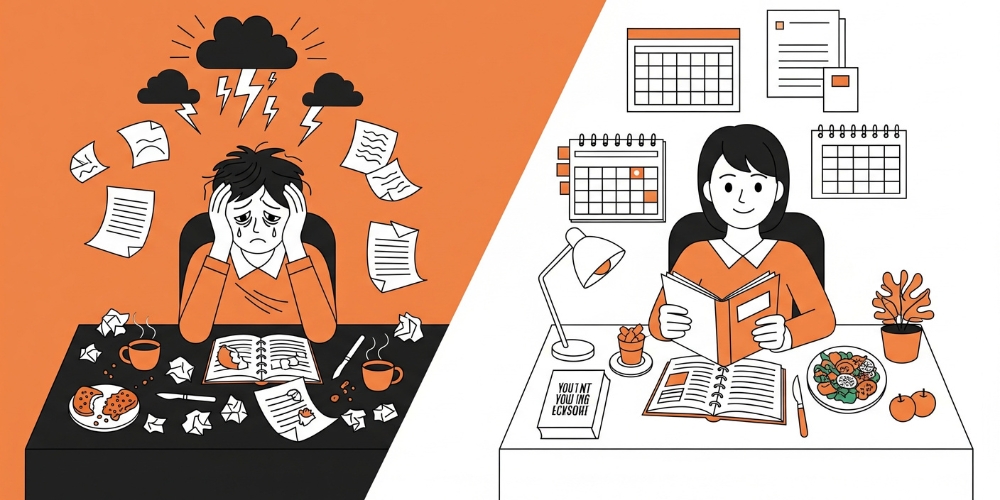
1. Pair complementary roles
Two call-heavy customer roles burn you out fast. Freelance writing plus weekend retail balances cognitive vs physical effort. Pick jobs that draw on different energy.
2. Be clear with employers
Some companies allow second jobs; some don't. Hiding it risks termination if discovered. Honesty up front beats damage control later.
3. Treat sleep as non-negotiable
7+ hours, consistent timing. Sleep loss compounds fast across two jobs and undermines performance in both. Skip social plans before sleep.
4. Build a structured schedule
Block out every hour: both jobs, commutes, meals, sleep, family, recovery. Visual calendars surface conflicts before they cause problems.
5. Use energy, not just time, as the constraint
Schedule high-cognitive tasks during your natural high-energy windows. Save admin and routine work for low-energy periods. Energy fluctuates more than people credit.
6. Audit the math
If the second job's net contribution after taxes, transport, and stress is small, the trade-off may not be worth it. Track financial improvement quarterly.
7. Build stress management habits
Daily 10-minute walks, breathing exercises, short power naps. Small habits compound — see handling stress for techniques that translate from interview-prep to daily life.
8. Stay physically active
20 minutes of daily activity (walking counts) boosts energy and mood. Cutting exercise to "save time" backfires within weeks.
9. Leverage AI tools for admin
Time tracking, calendar coordination, task automation all save hours. Aligned with AI hiring trends, the tooling for managing dual workloads keeps improving.
10. Reassess monthly
Ask: is this working? Adjust hours or drop a role if fatigue or relationships are deteriorating. The right answer changes over time.
Burnout Warning Signs
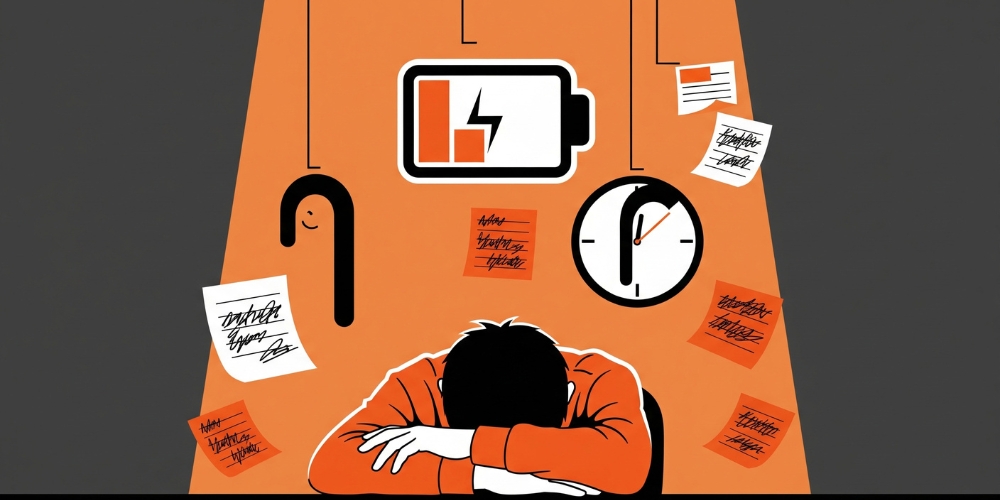
Six signals that suggest pulling back.
Constant fatigue
Tired even after full sleep. The clearest signal something needs adjustment.
Performance drops
Missed deadlines, forgotten commitments, mistakes you wouldn't normally make. Two jobs failing simultaneously is worse than one job done well.
Emotional volatility
Mood swings, irritability, impatience with coworkers and family. Stress spilling into relationships compounds the problem.
Physical symptoms
Frequent headaches, stomach issues, more sick days. Mayo Clinic research links chronic stress to heart disease, diabetes, and depression risks. The early signs deserve attention.
Loss of motivation
When the paycheck stops energising you, you're approaching burnout regardless of how the schedule looks on paper.
Social withdrawal
Skipping friends, family, hobbies "to catch up on work." When work absorbs everything, life balance has already collapsed.
Work-Life Balance for Dual Job Holders
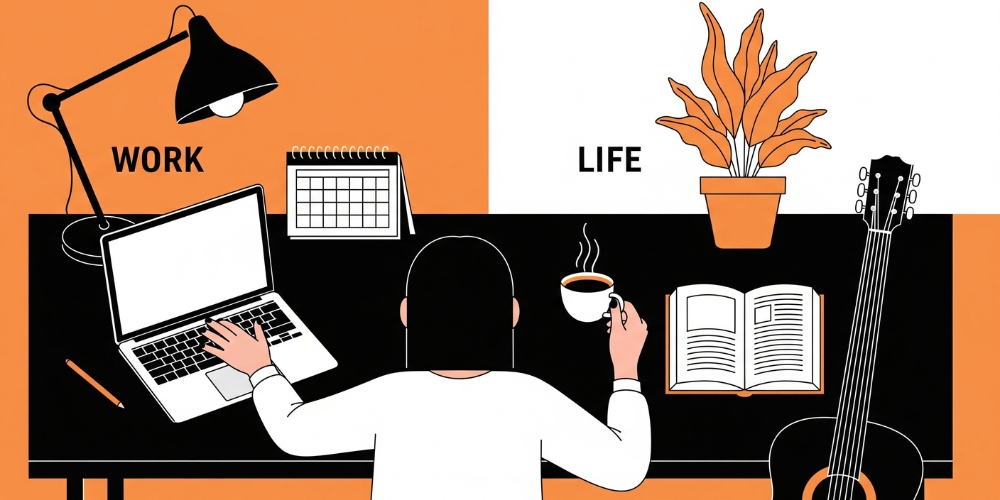
Six habits that protect the life around the jobs.
Protect personal time like a meeting
Block calendar time for family, hobbies, rest. Treat it as non-negotiable.
Practise saying no
Extra commitments — late-night coverage, weekend shifts — accumulate. Saying no protects your bandwidth for what matters.
Automate household admin
Bill auto-pay, grocery delivery, laundry service. Hours saved on routine errands offset the dual-job time crunch significantly.
Keep one job flexible
A flexible second role (remote work, freelance, gig) cushions schedule conflicts. Two rigid schedules are much harder to sustain.
Monitor health proactively
Diet, sleep, exercise — track weekly. Decline shows up gradually; catching it early prevents bigger problems.
Set a clear end date
If it's temporary (debt payoff, savings goal, transition prep), define when you'll step back. Open-ended dual-job life rarely sustains long-term.
The Bottom Line
Working two jobs is doable when you treat it as a discipline rather than just longer hours. Pair complementary roles, design your schedule deliberately, sleep enough, build stress management habits, and watch for warning signs. The people who sustain dual jobs longest tend to have one flexible role, a clear time horizon, and strong personal boundaries. The ones who burn out tend to power through assuming willpower will compensate for poor design. Design wins every time.
FAQs
Can my employer fire me for working a second job?
Possibly — if your contract includes a non-compete clause or restricts outside employment. Always review HR policies before taking on a second role.
Is it legal to have two jobs?
In most places, yes. But industry-specific rules (government, defence, healthcare) may restrict multiple roles. Check legal and contractual obligations.
How many hours per week is safe?
55–60 hours total across both roles. Beyond that, chronic stress, fatigue, and performance decline accelerate quickly. Pairing two part-time jobs is more sustainable than two full-time ones.
What jobs pair well together?
Roles with complementary energy demands. Remote freelance (writing, design, coding) + flexible on-site (retail, hospitality, tutoring). Avoid pairing two mentally draining cognitive jobs.
What's the single highest-leverage habit?
Consistent sleep across both jobs and days off. Sleep stability sustains everything else; sleep loss compounds within days and undermines performance in both roles simultaneously.
Keep reading

Working in Japan as an American: The Recruiter's Reality Check

Salary vs Hourly Pay: Which Compensation Model Wins in 2026?
